
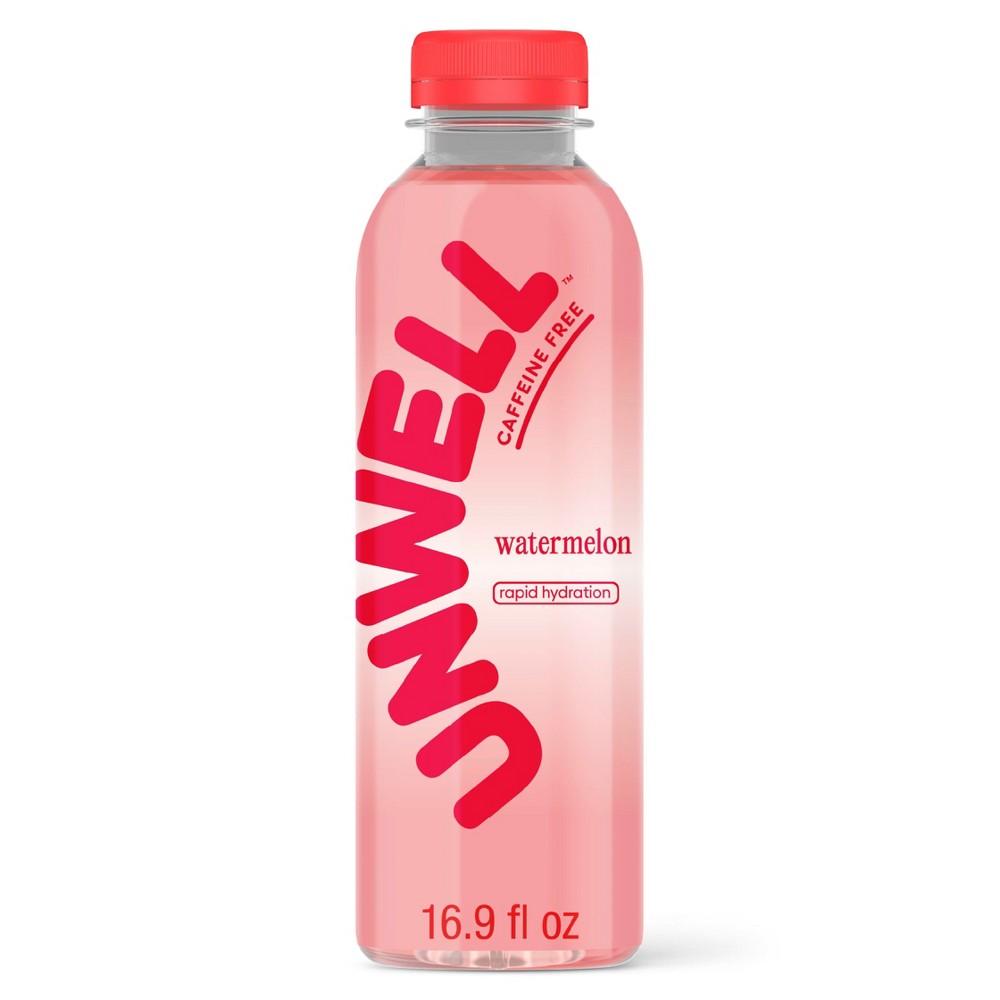

Unwell Hydration No Caffeine Watermelon Sports Drink - 16.9 fl oz
Analysis updated August 2026 · How Scout scores
At a glance
Summary
This sports drink contains beneficial electrolytes and vitamins, which support hydration and energy metabolism. However, the presence of added cane sugar and the use of 'natural flavors' introduce concerns about excessive sugar intake and lack of ingredient transparency. The product is moderately processed, which limits its score despite the inclusion of natural colorants and beneficial nutrients.
Key ingredients 14
Sodium CitrateGood
Beneficial ingredient — whole-food or functional value in this product class.
Risks
High sodium intake can contribute to hypertension.
SaltGood
Beneficial ingredient — whole-food or functional value in this product class.
Risks
High sodium intake can increase the risk of hypertension.
Benefits
Provides essential electrolytes for hydration and muscle function.
Potassium BicarbonateGood
Potassium bicarbonate is an electrolyte that helps maintain fluid balance and supports cardiovascular health. It is beneficial for athletes to replenish potassium lost through sweat. It aids in reducing muscle cramps and maintaining proper hydration.
Risks
Excessive intake can lead to hyperkalemia, affecting heart function.
Benefits
Essential for maintaining electrolyte balance and muscle function.
Beta CaroteneGood
Beta carotene is a natural pigment and antioxidant that can be converted into vitamin A in the body. It supports eye health and immune function. As a natural colorant, it is a healthier alternative to synthetic dyes.
Risks
Excessive intake can lead to carotenemia, a harmless condition causing skin discoloration.
Benefits
Acts as an antioxidant and supports vision and immune health.
NiacinamideGood
Niacinamide is a form of vitamin B3 that supports energy metabolism and skin health. It is water-soluble and essential for converting food into energy. It also plays a role in maintaining healthy skin and reducing inflammation.
Risks
High doses can cause skin flushing and liver damage.
Benefits
Supports energy production and skin health.
Pyridoxine HydrochlorideGood
Pyridoxine hydrochloride is a form of vitamin B6 that is crucial for protein metabolism and cognitive development. It aids in the production of neurotransmitters and red blood cells. It is essential for brain health and immune function.
Risks
Excessive intake can lead to nerve damage.
Benefits
Supports brain function and immune health.
Thiamin MononitrateGood
Thiamin mononitrate is a form of vitamin B1 that is vital for energy metabolism and nerve function. It helps convert carbohydrates into energy and supports the nervous system. It is essential for maintaining energy levels and cognitive function.
Benefits
Supports energy metabolism and nerve health.
WaterNeutral
Water is a neutral ingredient that serves as the base for hydration. It is essential for maintaining bodily functions and does not contribute any calories or nutrients. As a primary component, it supports the delivery of other ingredients.
Benefits
Essential for hydration and supports overall bodily functions.
Citric AcidNeutral
Citric acid is used as a preservative and flavor enhancer in beverages. It is naturally found in citrus fruits and is generally recognized as safe. It helps maintain the stability and taste of the product.
Risks
Excessive consumption may cause tooth enamel erosion.
Magnesium SulfateNeutral
Standard formulation ingredient — neither beneficial nor harmful at typical use.
Risks
Excessive intake can cause digestive issues.
Benefits
Supports muscle function and helps prevent cramps.
Vegetable Juice ConcentrateNeutral
Vegetable juice concentrate is used for natural coloring and may provide minimal nutrients. It is a more natural alternative to artificial dyes. However, the concentration process may reduce its nutritional value.
Benefits
Provides natural color without artificial additives.
Stevia Leaf ExtractNeutral
Stevia leaf extract is a natural, zero-calorie sweetener used as an alternative to sugar. It is derived from the leaves of the stevia plant and is considered safe for consumption. It provides sweetness without the calories associated with sugar.
Benefits
Offers a calorie-free sweetening option.
Cane SugarBad
Cane sugar is a source of added sugars, which can contribute to excessive calorie intake and potential weight gain. It is processed and lacks the nutritional benefits found in whole foods. High consumption of added sugars is linked to various health issues, including metabolic disorders.
Risks
Excessive intake can lead to obesity, type 2 diabetes, and dental cavities.
Benefits
Provides quick energy but lacks essential nutrients.
Natural FlavorBad
Natural flavors are used to enhance taste but can be a catch-all term for various additives. They are processed and may contain undisclosed ingredients. The lack of transparency can be concerning for consumers seeking clean labels.
Risks
Potential for undisclosed allergens or additives.
Processing
Processed Foods
Get the full breakdown in the Scout appTake Scout shopping
Scan any product to see lab results, healthy alternatives, and your personalized analysis.
Download on theApp Store GET IT ONGoogle Play