

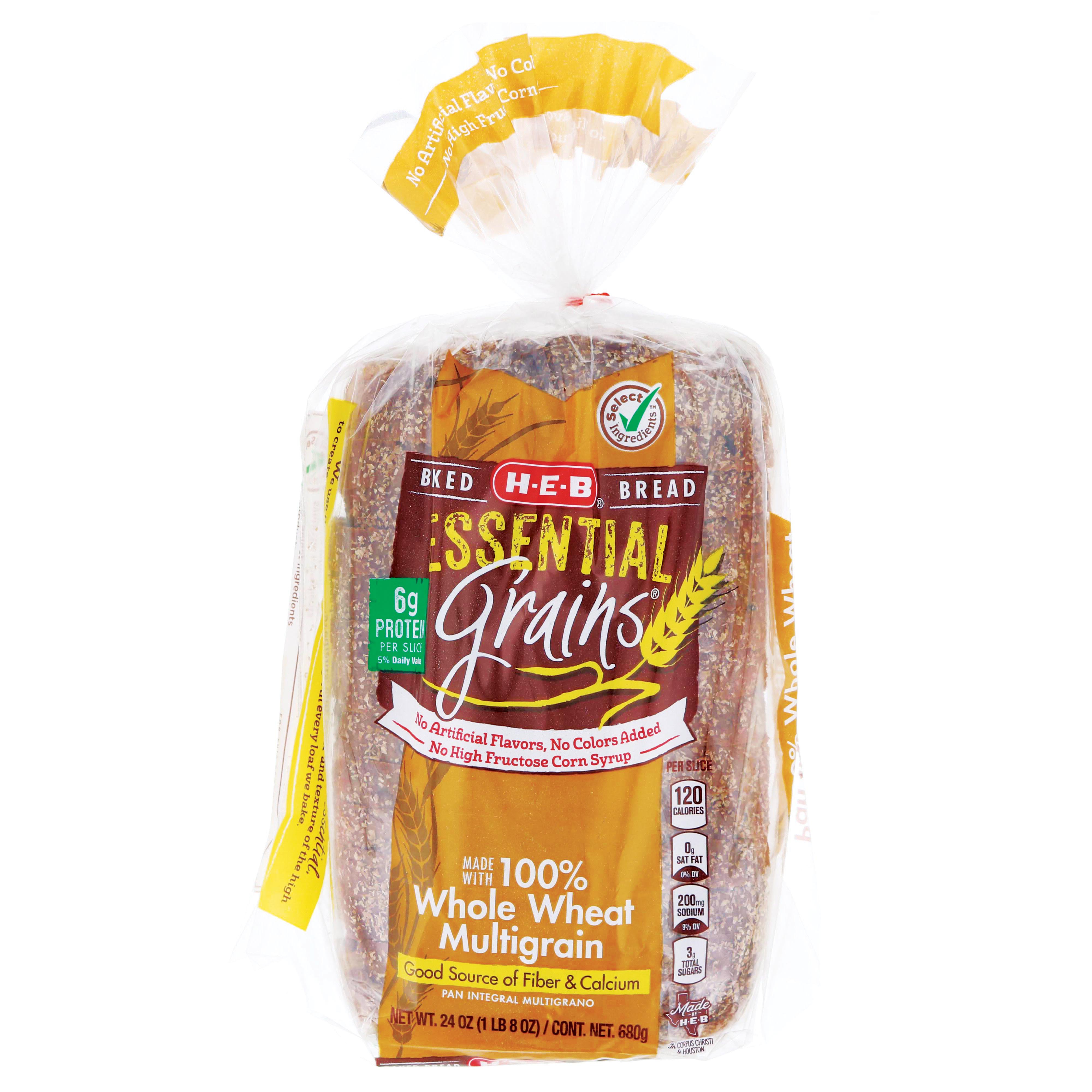


100% Whole Wheat Round Loaf
Analysis updated September 2026 · How Scout scores
At a glance
Summary
This bread is made with unbleached whole wheat flour, which retains more nutrients and fiber compared to refined flour, and uses sea salt, which contains trace minerals. The ingredient list is short and clean, with minimal additives, indicating a moderate level of processing. However, as a processed food, it cannot score in the highest range despite its wholesome ingredients.
Key ingredients 5
Unbleached whole wheat flourGood
Unbleached whole wheat flour is a minimally processed ingredient that retains the bran and germ, providing more fiber and nutrients compared to refined flour. It is a good source of complex carbohydrates and essential nutrients like B vitamins and iron. The unbleached process avoids chemical treatments, preserving its natural color and nutritional profile.
Risks
Contains gluten, which may cause adverse reactions in individuals with celiac disease or gluten sensitivity.
Benefits
Rich in dietary fiber, which supports digestive health and helps maintain stable blood sugar levels. Provides essential nutrients such as B vitamins and iron, contributing to overall health.
Sea saltGood
Sea salt is a minimally processed salt that contains trace minerals, which can be beneficial for health. It is used to enhance flavor and improve the texture of the bread. Unlike refined table salt, sea salt retains some natural minerals.
Risks
Excessive consumption of salt can lead to high blood pressure and other cardiovascular issues.
Benefits
Provides essential sodium and trace minerals that are important for maintaining fluid balance and nerve function.
WaterNeutral
Water is a neutral ingredient used as a solvent and to provide moisture in the dough. It plays a crucial role in the baking process by hydrating the flour and activating yeast. Water itself does not contribute any calories or nutrients.
See more about Water →YeastNeutral
Yeast is a natural leavening agent that ferments sugars to produce carbon dioxide, causing the dough to rise. It contributes to the bread's texture and flavor. Yeast is a common ingredient in bread-making and is generally considered safe.
Benefits
Contributes to the leavening process, improving the texture and flavor of the bread.
AmylaseNeutral
Amylase is an enzyme that breaks down starches into sugars, aiding in the fermentation process and improving dough handling. It is commonly used in bread-making to enhance texture and volume. Amylase is naturally occurring and generally recognized as safe.
Benefits
Improves the texture and volume of bread by aiding in the fermentation process.
Processing
Processed Foods
Get the full breakdown in the Scout appTake Scout shopping
Scan any product to see lab results, healthy alternatives, and your personalized analysis.
Download on theApp Store GET IT ONGoogle Play