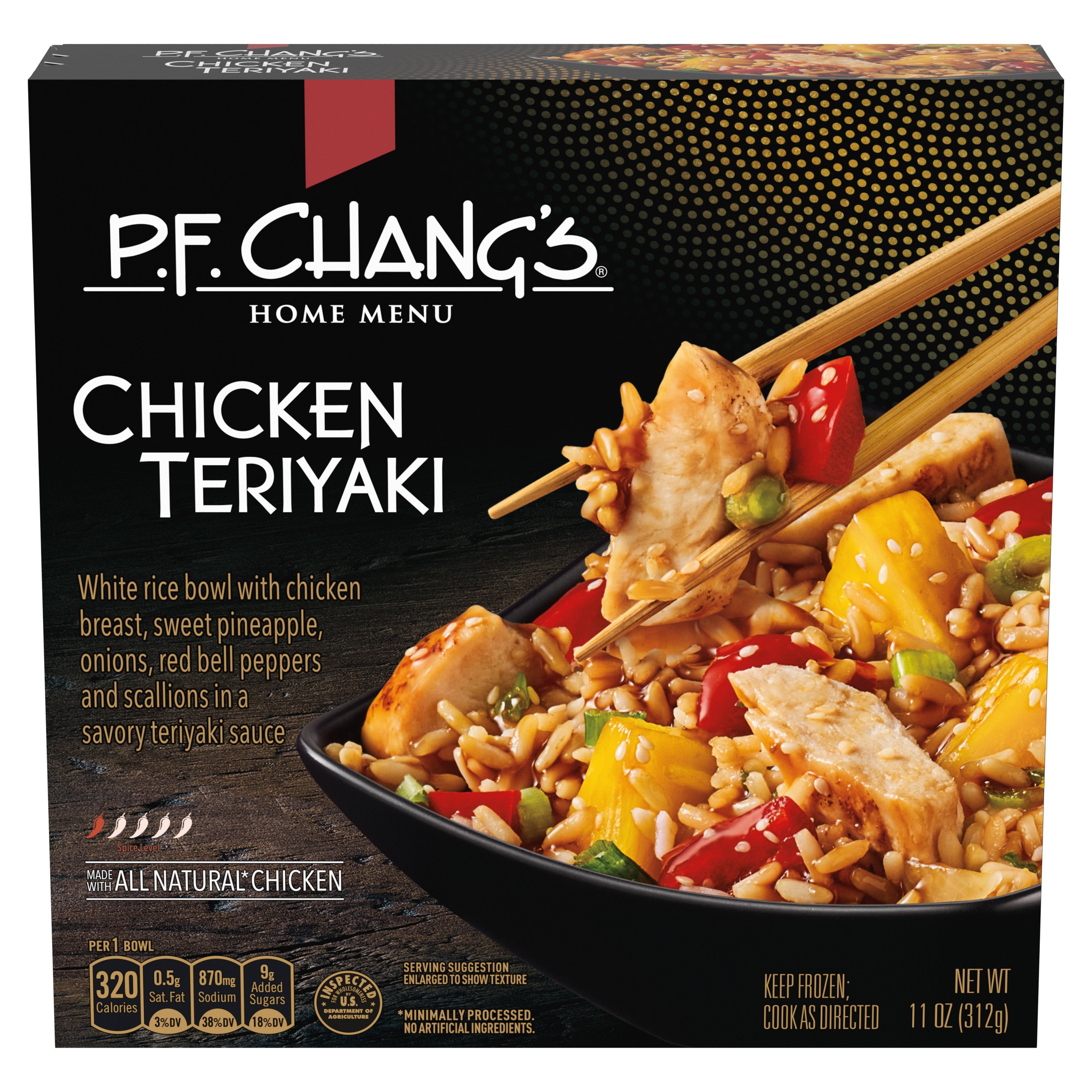
Teriyaki chicken
At a glance
Summary
This teriyaki chicken product includes beneficial ingredients like broccoli and red bell peppers, which are nutrient-dense and minimally processed. However, the presence of vegetable oil, likely a blend of seed oils, and natural flavors introduces concerns due to their high processing level and potential health impacts. The product's overall processing level limits its score, despite the inclusion of some whole food ingredients.
Key ingredients 9
BroccoliGood
Broccoli is a nutrient-dense vegetable rich in vitamins C and K, fiber, and antioxidants. It is minimally processed and retains most of its nutritional value when cooked. Its consumption is associated with reduced inflammation and improved digestive health.
Benefits
Rich in vitamins, fiber, and antioxidants, supporting overall health and reducing inflammation.
Red Bell PeppersGood
Red bell peppers are an excellent source of vitamins A and C, and they provide antioxidants like beta-carotene. They are minimally processed and retain their nutritional benefits when included in meals. Their high vitamin C content supports immune function and skin health.
Benefits
High in vitamins A and C, supporting immune health and providing antioxidant benefits.
Chicken BreastNeutral
Chicken breast is a lean source of protein, providing essential amino acids necessary for muscle repair and growth. It is a common protein choice but lacks the omega-3 fatty acids found in fish. The quality of the chicken can vary based on farming practices.
Risks
Potential risks include contamination if not cooked properly and the presence of antibiotics if not sourced from organic or free-range farms.
Benefits
Provides a high-quality source of protein essential for muscle maintenance and repair.
Corn StarchNeutral
Corn starch is a refined carbohydrate used as a thickening agent in cooking. It is highly processed and provides little nutritional value beyond calories. It is generally considered safe but offers no significant health benefits.
Risks
Excessive consumption can contribute to high blood sugar levels due to its high glycemic index.
Dried Egg WhitesNeutral
Dried egg whites are a source of high-quality protein, providing essential amino acids. They are processed to remove moisture, making them convenient for storage and use in various recipes. They lack the fats and vitamins found in whole eggs.
Benefits
Provides a source of high-quality protein without the fats found in whole eggs.
SaltNeutral
Salt is used to enhance flavor and preserve food. It is a processed culinary ingredient that provides sodium, essential for fluid balance and nerve function. Excessive intake can lead to high blood pressure and cardiovascular issues.
Risks
High sodium intake can contribute to hypertension and cardiovascular diseases.
Benefits
Provides essential sodium for maintaining fluid balance and nerve function.
Natural FlavorsBad
Natural flavors are a catch-all term for flavoring agents derived from natural sources but are highly processed. They can contain a variety of chemicals and additives, making it difficult to assess their health impact. The lack of transparency in their composition is a concern.
Risks
Potential for allergic reactions and lack of transparency in ingredient composition.
Sodium PhosphateBad
Processed additive flagged under Scout's ingredient doctrine.
Risks
Excessive intake may lead to imbalances in phosphate levels, affecting kidney function.
Benefits
Helps maintain moisture and improve texture in processed foods.
Vegetable OilVery Bad
Vegetable oil, often a blend of seed oils, is high in omega-6 fatty acids, which can promote inflammation when consumed in excess. It is highly processed and lacks the nutritional benefits of healthier oils like olive or avocado oil. The extraction process often involves chemical solvents.
Risks
High omega-6 content may promote inflammation and contribute to chronic diseases when consumed in excess.
Processing
Processed Foods
Get the full breakdown in the Scout appTake Scout shopping
Scan any product to see lab results, healthy alternatives, and your personalized analysis.
Are you P.F. Chang's? Fix an error Get the badge Get tested