


At a glance
Summary
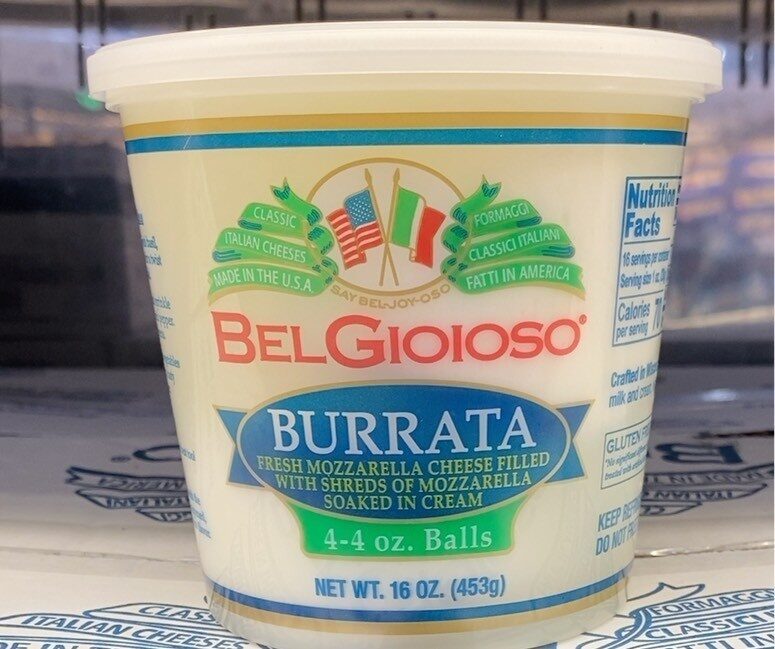
Burrata is a processed cheese product with a simple and clean ingredient list, including pasteurized milk, cream, vinegar, enzymes, and salt. The use of cream contributes to its rich texture and flavor, while the absence of harmful additives or seed oils supports a higher score within its category. Despite its processing level, the quality of ingredients allows it to score well among processed cheese products.
Key ingredients 5
CreamGood
Cream adds richness and a smooth texture to cheese products, contributing to the creamy consistency of burrata. It is a source of healthy fats, particularly if sourced from grass-fed cows. The inclusion of cream enhances the flavor profile and nutritional content of the cheese.
Risks
High in saturated fats, which should be consumed in moderation to maintain heart health.
Benefits
Rich in healthy fats and fat-soluble vitamins, contributing to a creamy texture and enhanced flavor.
Pasteurized milkNeutral
Pasteurized milk is a common base for cheese products, providing essential nutrients like calcium and protein. The pasteurization process eliminates harmful bacteria but may reduce some beneficial enzymes. It is a standard ingredient in cheese making, offering a balance of nutrients.
Benefits
Provides essential nutrients such as calcium and protein, which are important for bone health and muscle function.
VinegarNeutral
Vinegar is used in cheese making to acidify the milk, aiding in curd formation. It is a natural ingredient that helps in the coagulation process. Vinegar's role is primarily functional, with minimal impact on flavor.
Benefits
Facilitates the cheese-making process by aiding in curd formation, contributing to the texture of the final product.
EnzymesNeutral
Enzymes are crucial in cheese production, helping to coagulate milk and develop flavor. They are typically derived from microbial or animal sources. Enzymes are essential for transforming milk into cheese, impacting texture and taste.
Benefits
Essential for cheese production, contributing to the development of texture and flavor.
SaltNeutral
Salt is used in cheese making to enhance flavor and act as a preservative. It is a standard ingredient that helps control moisture and texture. While it adds flavor, excessive consumption should be monitored due to sodium content.
Risks
Excessive sodium intake can lead to health issues such as high blood pressure.
Benefits
Enhances flavor and acts as a preservative, contributing to the overall taste and shelf life of the cheese.
Processing
Processed Foods
Get the full breakdown in the Scout appTake Scout shopping
Scan any product to see lab results, healthy alternatives, and your personalized analysis.
Download on theApp Store GET IT ONGoogle Play