
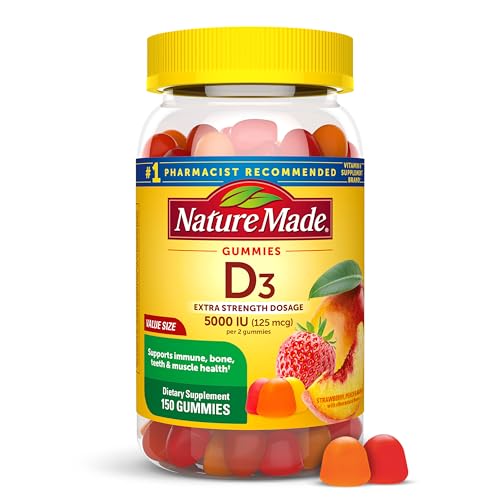

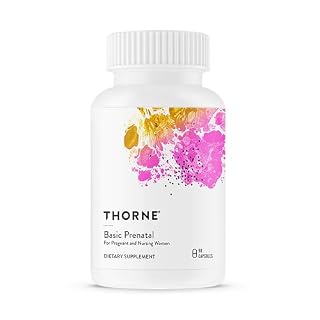
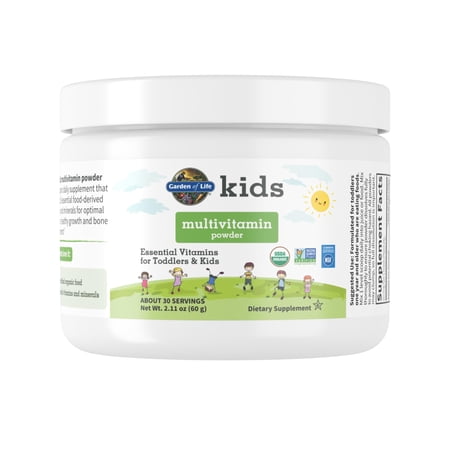
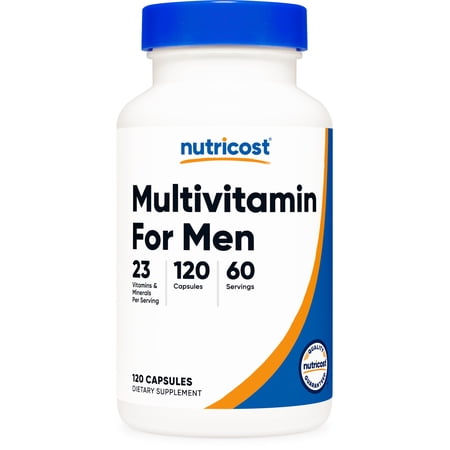


Nature Made Extra-Strength Vitamin D3 5000 IU 150 Gummies
Analysis updated June 2026 · How Scout scores
At a glance
Summary
This vitamin D3 supplement contains glucose syrup, which contributes to its high sugar content and can lead to rapid spikes in blood sugar levels. The use of palm oil, a saturated fat, and natural flavors indicates a higher level of processing and lack of ingredient transparency. While the product provides vitamin D3, the presence of these processed ingredients and added colors detracts from its overall healthfulness.
Key ingredients 7
WaterNeutral
Water is a neutral ingredient used as a solvent and to maintain moisture in food products. It is essential for hydration but does not contribute any calories or nutrients. Its presence in the product is primarily functional.
See more about Water →GelatinNeutral
Gelatin is a protein derived from animal collagen, used as a gelling agent in food products. It provides texture and stability but does not offer significant nutritional benefits in small quantities. It is generally considered safe for consumption.
Benefits
May support joint health and skin elasticity due to its collagen content.
Carnauba WaxNeutral
Carnauba wax is a natural wax used as a glazing agent to provide a shiny appearance and prevent sticking. It is derived from the leaves of the carnauba palm and is considered safe for consumption. Its role is primarily functional in food products.
See more about Carnauba Wax →Glucose SyrupBad
Glucose syrup is a highly processed sweetener that contributes to high sugar content in foods. It is often used to enhance sweetness and texture but offers no nutritional benefits. Its high glycemic index can lead to rapid spikes in blood sugar levels.
Risks
Excessive consumption can lead to obesity, insulin resistance, and other metabolic disorders.
Vegetable OilBad
Vegetable oil, including palm oil and medium chain triglycerides, is often used for texture and stability in processed foods. Palm oil is high in saturated fats, which can impact heart health negatively. Medium chain triglycerides are metabolized differently and may offer some health benefits.
Risks
High saturated fat content in palm oil may increase the risk of heart disease.
Benefits
Medium chain triglycerides may provide quick energy and support weight management.
Natural FlavorsBad
Natural flavors are a catch-all term for flavoring agents derived from natural sources but highly processed. They enhance taste but lack transparency in their composition and potential health impacts. Their inclusion often indicates a highly processed product.
Risks
Potential for undisclosed allergens and additives that may cause adverse reactions.
Colors AddedBad
Added colors are used to enhance the visual appeal of food products but do not contribute to nutritional value. They may be derived from natural or synthetic sources, with potential health concerns linked to artificial dyes. Their presence often indicates a highly processed product.
Risks
Some artificial colors have been linked to hyperactivity and allergic reactions in sensitive individuals.
Processing
Ultra-Processed Foods
Get the full breakdown in the Scout appTake Scout shopping
Scan any product to see lab results, healthy alternatives, and your personalized analysis.
Download on theApp Store GET IT ONGoogle PlayAmazon pricing & content
Amazon price as of . Product prices and availability are accurate as of the date/time indicated and are subject to change. Any price and availability information displayed on Amazon.com at the time of purchase will apply to the purchase of this product.
CERTAIN CONTENT THAT APPEARS ON THIS SITE COMES FROM AMAZON. THIS CONTENT IS PROVIDED “AS IS” AND IS SUBJECT TO CHANGE OR REMOVAL AT ANY TIME.