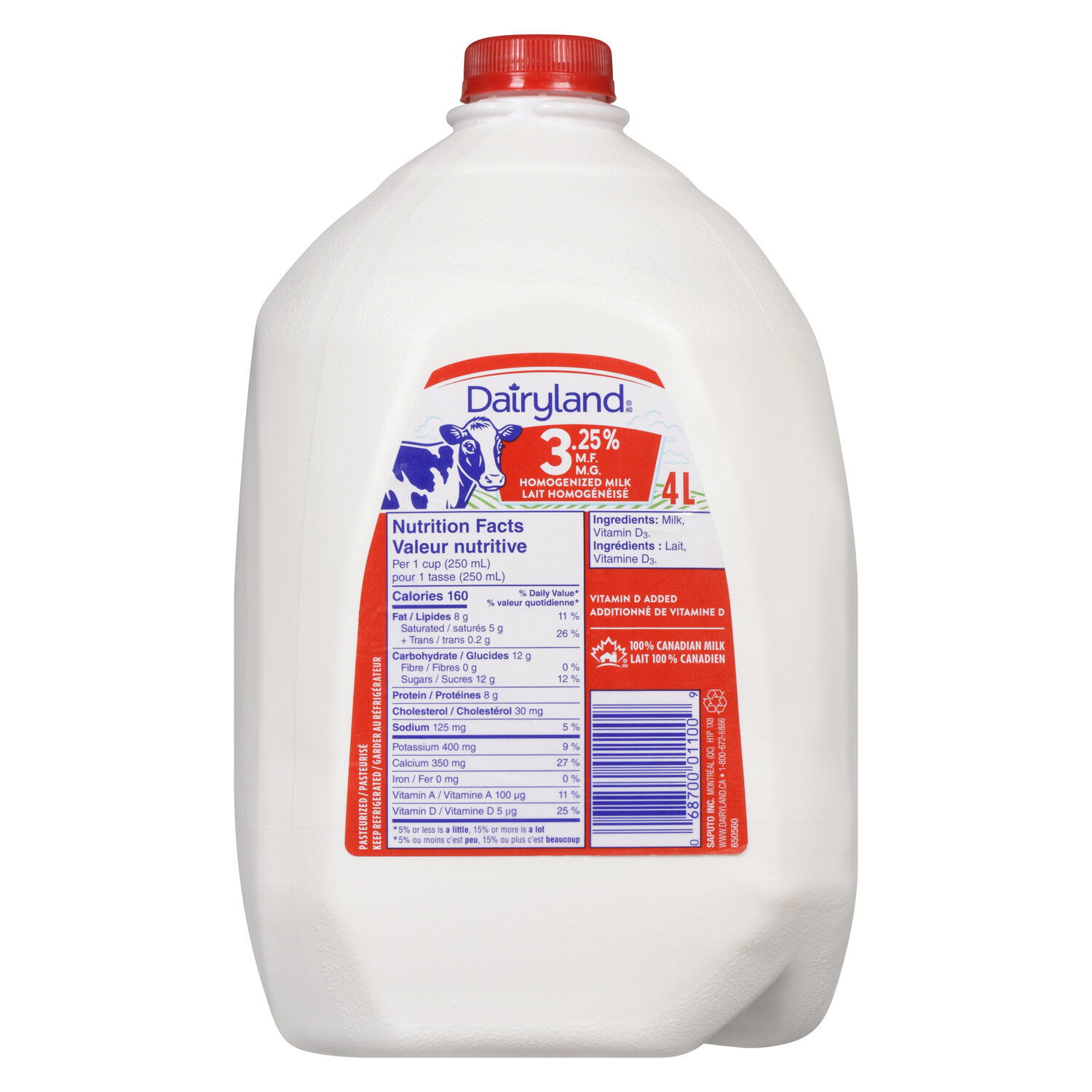
Reduced Fat Milk

At a glance
Summary
Reduced Fat Milk is a processed product with added vitamins A and D3, which enhance its nutritional profile by supporting vision, immune function, and bone health. The processing level limits its score, but the absence of harmful additives and the presence of beneficial fortifications contribute positively to its rating.
Key ingredients 3
Vitamin D3Good
Vitamin D3 is added to milk to enhance its nutritional profile, aiding in calcium absorption and bone health. It is especially important in regions with limited sunlight exposure. Fortification helps prevent vitamin D deficiency, which is common in many populations.
Benefits
Supports bone health by enhancing calcium absorption and plays a role in immune function.
Reduced fat milkNeutral
Reduced fat milk is a common dairy product with lower fat content compared to whole milk. It provides essential nutrients like calcium and protein but lacks the full fat-soluble vitamin profile of whole milk. The reduction in fat may appeal to those managing calorie intake, though it may also reduce satiety.
Benefits
Provides a good source of calcium and protein, essential for bone health and muscle maintenance.
Vitamin A palmitateNeutral
Standard formulation ingredient — neither beneficial nor harmful at typical use.
Risks
Excessive intake of vitamin A can lead to toxicity, but this is unlikely through milk consumption alone.
Benefits
Essential for maintaining healthy vision, immune function, and skin health.
Processing
Processed Foods
Get the full breakdown in the Scout appTake Scout shopping
Scan any product to see lab results, healthy alternatives, and your personalized analysis.