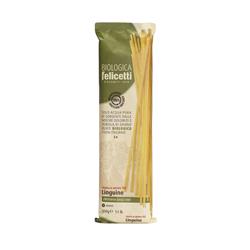
Orzo

At a glance
Summary
This orzo product is made from semolina and durum wheat flour, which are high-protein and less processed compared to refined flours, contributing positively to its nutritional profile. The addition of essential vitamins and minerals like niacin, iron, and folic acid enhances its nutritional value. However, as a processed food, it is subject to a processing score cap, which limits its maximum potential score despite the clean ingredient list.
Key ingredients 7
SemolinaGood
Semolina is a high-protein flour made from durum wheat, providing essential amino acids. It is minimally processed, retaining much of its nutritional value. It is a staple in many diets due to its versatility and nutrient density.
Risks
Contains gluten, which may cause issues for individuals with celiac disease or gluten sensitivity.
Benefits
Rich in protein and essential nutrients, supporting muscle health and energy levels.
Durum Wheat FlourGood
Durum wheat flour is a high-protein flour that is less processed than refined flours. It retains more nutrients and fiber, contributing to a balanced diet. It is commonly used in pasta making due to its high gluten content.
Risks
Contains gluten, which can be problematic for those with gluten intolerance or celiac disease.
Benefits
Provides a good source of protein and fiber, supporting digestive health and sustained energy.
Vitamin B3Good
Vitamin B3, also known as niacin, is essential for energy metabolism and DNA repair. It is often added to foods to prevent deficiencies. It plays a role in maintaining healthy skin and nerves.
Benefits
Supports energy production and helps maintain healthy skin and nerve function.
IronGood
Iron is a crucial mineral for oxygen transport in the blood. It is often added to foods to prevent anemia. Adequate iron intake is essential for energy levels and immune function.
Risks
Excessive iron intake can lead to toxicity, especially in individuals with hemochromatosis.
Benefits
Supports oxygen transport and energy production, reducing the risk of anemia.
Vitamin B1Good
Vitamin B1, or thiamine, is vital for carbohydrate metabolism and nerve function. It is commonly added to foods to prevent deficiencies. It helps convert nutrients into energy, supporting overall health.
Benefits
Essential for energy metabolism and maintaining healthy nerve function.
Vitamin B2Good
Vitamin B2, also known as riboflavin, is important for energy production and cellular function. It is often fortified in foods to ensure adequate intake. It also acts as an antioxidant, protecting cells from oxidative damage.
Benefits
Supports energy production and acts as an antioxidant, protecting cells from damage.
Folic AcidNeutral
Standard formulation ingredient — neither beneficial nor harmful at typical use.
Risks
Excessive intake can mask vitamin B12 deficiency symptoms.
Benefits
Crucial for DNA synthesis and cell division, particularly important during pregnancy.
Processing
Processed Foods
Get the full breakdown in the Scout appTake Scout shopping
Scan any product to see lab results, healthy alternatives, and your personalized analysis.
Are you Food Lion? Fix an error Get the badge Get tested