
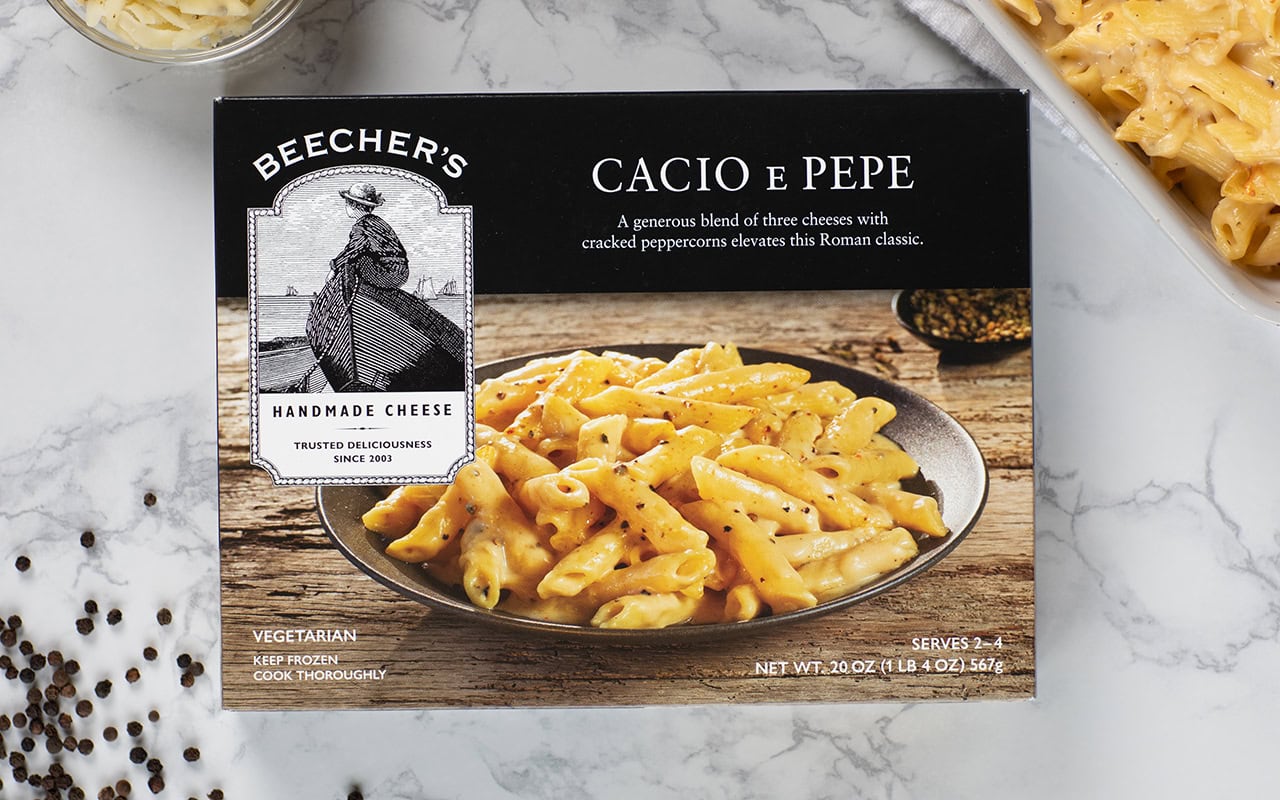


At a glance
Summary
This pasta product is made from durum wheat semolina, which is a high-protein flour providing essential nutrients. However, it is processed and contains enriched ingredients like niacin and folic acid, which are added to improve nutritional value but indicate a higher level of processing. The presence of added vitamins and minerals suggests fortification, which is common in processed foods, and while it does not contain harmful additives, the processing level limits its score.
Key ingredients 10
NiacinGood
Beneficial ingredient — whole-food or functional value in this product class.
Risks
Excessive intake can lead to skin flushing and liver damage.
Benefits
Supports energy metabolism and helps maintain healthy skin and nerves.
RiboflavinGood
Essential B vitamin — beneficial micronutrient.
Benefits
Supports energy production and helps maintain healthy skin and eyes.
MilkGood
Whole dairy ingredient.
Risks
May cause allergic reactions or lactose intolerance symptoms in sensitive individuals.
Benefits
Rich in calcium and protein, supporting bone health and muscle maintenance.
Cooked Enriched Penne RigateNeutral
This is a processed pasta product made from durum wheat semolina. It is enriched with vitamins and minerals to improve its nutritional profile. The processing involved in making pasta can reduce some of the natural nutrients found in whole grains.
Risks
Potential risks include high carbohydrate content which may affect blood sugar levels if consumed in excess.
Benefits
Enrichment adds essential nutrients like iron and B vitamins, which can be beneficial for overall health.
WaterNeutral
Water is a fundamental ingredient used in cooking and processing foods. It is essential for hydration and has no caloric content. In this context, it serves as a medium for cooking the pasta.
Benefits
Essential for hydration and necessary for various bodily functions.
Durum Wheat SemolinaNeutral
Standard formulation ingredient — neither beneficial nor harmful at typical use.
Risks
May cause allergic reactions in individuals with wheat or gluten sensitivities.
Benefits
Rich in protein and provides a good source of energy, supporting muscle maintenance and growth.
IronNeutral
Iron is an essential mineral added to enriched foods to prevent anemia. It is crucial for oxygen transport in the blood. The fortification of foods with iron helps address dietary deficiencies.
Risks
Excessive iron intake can lead to toxicity and gastrointestinal issues.
Benefits
Essential for oxygen transport and energy production in the body.
Thiamin MononitrateNeutral
Thiamin mononitrate is a form of vitamin B1 used in food fortification. It supports energy metabolism and nerve function. Fortification helps prevent thiamin deficiency, which can lead to neurological issues.
Benefits
Supports energy metabolism and nerve function, preventing deficiency-related issues.
Folic AcidNeutral
Folic acid is a synthetic form of vitamin B9 used in food fortification. It is crucial for DNA synthesis and cell division. Fortification helps prevent neural tube defects in developing fetuses.
Risks
Excessive intake can mask vitamin B12 deficiency symptoms.
Benefits
Essential for DNA synthesis and cell division, preventing neural tube defects.
Vitamin D3 AddedNeutral
Vitamin D3 is added to foods to support bone health and immune function. It aids in calcium absorption and is important for maintaining healthy bones. Fortification helps prevent deficiencies, especially in populations with limited sun exposure.
Risks
Excessive intake can lead to hypercalcemia and associated health issues.
Benefits
Supports bone health and immune function by aiding in calcium absorption.
Processing
Processed Foods
Get the full breakdown in the Scout appTake Scout shopping
Scan any product to see lab results, healthy alternatives, and your personalized analysis.
Download on theApp Store GET IT ONGoogle Play