


At a glance
Summary
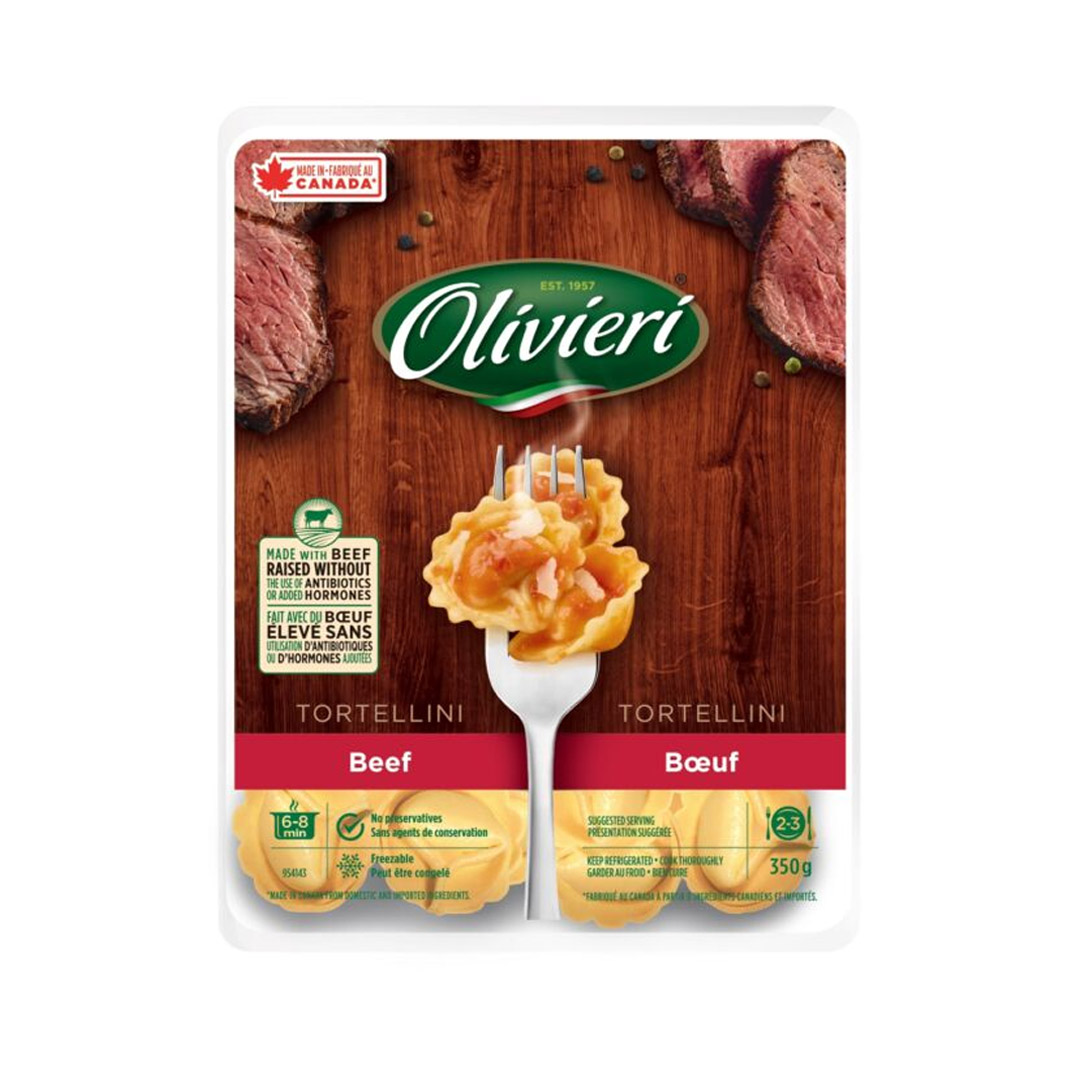
This tortellini product contains several beneficial ingredients such as durum wheat semolina, eggs, and vegetables, which contribute to its nutritional value. However, it is a processed food with added flavors and caramel color, which slightly detract from its overall healthiness. The processing level limits its score, despite the presence of quality ingredients.
Key ingredients 18
Liquid egg yolkGood
Liquid egg yolk is a rich source of vitamins and minerals, including vitamin D and choline. It provides essential fats and proteins. The pasteurization process ensures safety by reducing the risk of bacterial contamination.
Risks
Contains cholesterol, which may be a concern for individuals with specific dietary restrictions.
Benefits
Rich in essential nutrients like vitamin D and choline, supporting brain health and metabolism.
Liquid whole eggsGood
Liquid whole eggs provide a complete protein source with all essential amino acids. They are versatile and used in various culinary applications. Pasteurization ensures safety by eliminating harmful bacteria.
Risks
May cause allergic reactions in individuals with egg allergies.
Benefits
Excellent source of high-quality protein and essential nutrients like B vitamins and selenium.
Garlic powderGood
Concentrated whole-food seasoning.
Risks
May cause digestive discomfort in sensitive individuals.
Benefits
Contains antioxidants and compounds that may support heart health and immune function.
TomatoesGood
Tomatoes are a rich source of vitamins, minerals, and antioxidants like lycopene. They are used to enhance flavor and nutritional content. Processing into sauces or pastes retains many of their beneficial compounds.
Benefits
Rich in antioxidants and vitamins, supporting heart health and reducing inflammation.
CarrotsGood
Carrots are a good source of beta-carotene, fiber, and vitamins. They add natural sweetness and color to dishes. Cooking can enhance the bioavailability of beta-carotene.
Benefits
Rich in beta-carotene, supporting eye health and providing antioxidant benefits.
Durum wheat semolinaNeutral
Standard formulation ingredient — neither beneficial nor harmful at typical use.
Risks
Contains gluten, which may be a concern for individuals with celiac disease or gluten sensitivity.
Benefits
Provides a good source of energy and protein, supporting muscle maintenance and growth.
WaterNeutral
Water is a basic ingredient used in food processing. It acts as a solvent and helps in mixing ingredients. It does not provide any nutritional value.
See more about Water →Seasoned cooked beefNeutral
Seasoned cooked beef provides protein and iron, essential for muscle and blood health. The seasoning process enhances flavor but may add sodium. Cooking ensures safety and digestibility.
Risks
High sodium content from seasoning may be a concern for individuals with hypertension.
Benefits
Good source of protein and iron, supporting muscle maintenance and oxygen transport in the blood.
SaltNeutral
Salt is used to enhance flavor and preserve food. It is a common ingredient in processed foods. Excessive consumption can lead to health issues like hypertension.
Risks
High sodium intake can contribute to hypertension and cardiovascular diseases.
Benefits
Essential for maintaining fluid balance and nerve function in the body.
Onion powderNeutral
Onion powder is used as a seasoning to add flavor to dishes. It is made by dehydrating and grinding onions. It retains some of the nutritional benefits of fresh onions.
Risks
May cause allergic reactions in individuals sensitive to onions.
Benefits
Provides flavor and some antioxidants, contributing to overall taste and potential health benefits.
SpiceNeutral
Spice is used to enhance the flavor profile of food. It can include a variety of plant-derived seasonings. The specific health impact depends on the type of spice used.
Risks
Potential for allergic reactions depending on the specific spices used.
Benefits
May provide antioxidants and contribute to flavor complexity.
Spice extractNeutral
Spice extract is a concentrated form of spices used for flavoring. It provides a potent flavor without adding bulk. The health impact varies based on the specific extract used.
Risks
Potential for allergic reactions depending on the specific extracts used.
Benefits
Enhances flavor and may provide concentrated beneficial compounds from spices.
Toasted wheat crumbsNeutral
Toasted wheat crumbs are used for texture and flavor in food products. They are made from wheat and provide carbohydrates. Toasting enhances flavor but does not significantly alter nutritional content.
Risks
Contains gluten, which may be a concern for individuals with celiac disease or gluten sensitivity.
Benefits
Adds texture and flavor to dishes, providing a source of carbohydrates.
OnionsNeutral
Onions are used for flavor and contain vitamins and antioxidants. They are a common ingredient in many dishes. Cooking can enhance their sweetness and digestibility.
Risks
May cause digestive discomfort or allergic reactions in sensitive individuals.
Benefits
Provides flavor and some antioxidants, contributing to overall taste and potential health benefits.
CeleryNeutral
Celery is used for flavor and provides fiber and vitamins. It is low in calories and often used in soups and stews. Cooking can soften its texture and enhance flavor.
Risks
May cause allergic reactions in some individuals.
Benefits
Provides fiber and vitamins, contributing to digestive health and flavor.
Flavours (milk)Neutral
Flavours derived from milk are used to enhance taste. They provide a creamy texture and flavor profile. The specific health impact depends on the type and amount used.
Risks
May cause allergic reactions in individuals with milk allergies.
Benefits
Enhances flavor and provides a creamy texture to food products.
Roasted garlic powderNeutral
Roasted garlic powder is used for seasoning and flavor enhancement. It retains some beneficial compounds found in fresh garlic. Roasting adds a deeper flavor profile.
Risks
May cause digestive discomfort in sensitive individuals.
Benefits
Contains antioxidants and compounds that may support heart health and immune function.
Caramel colourNeutral
Caramel colour is used to enhance the appearance of food products. It is made by heating sugar and is commonly used in processed foods. It does not provide nutritional value.
Risks
Some forms of caramel color may contain trace amounts of harmful compounds if not properly processed.
Processing
Processed Foods
Get the full breakdown in the Scout appTake Scout shopping
Scan any product to see lab results, healthy alternatives, and your personalized analysis.
Download on theApp Store GET IT ONGoogle Play