
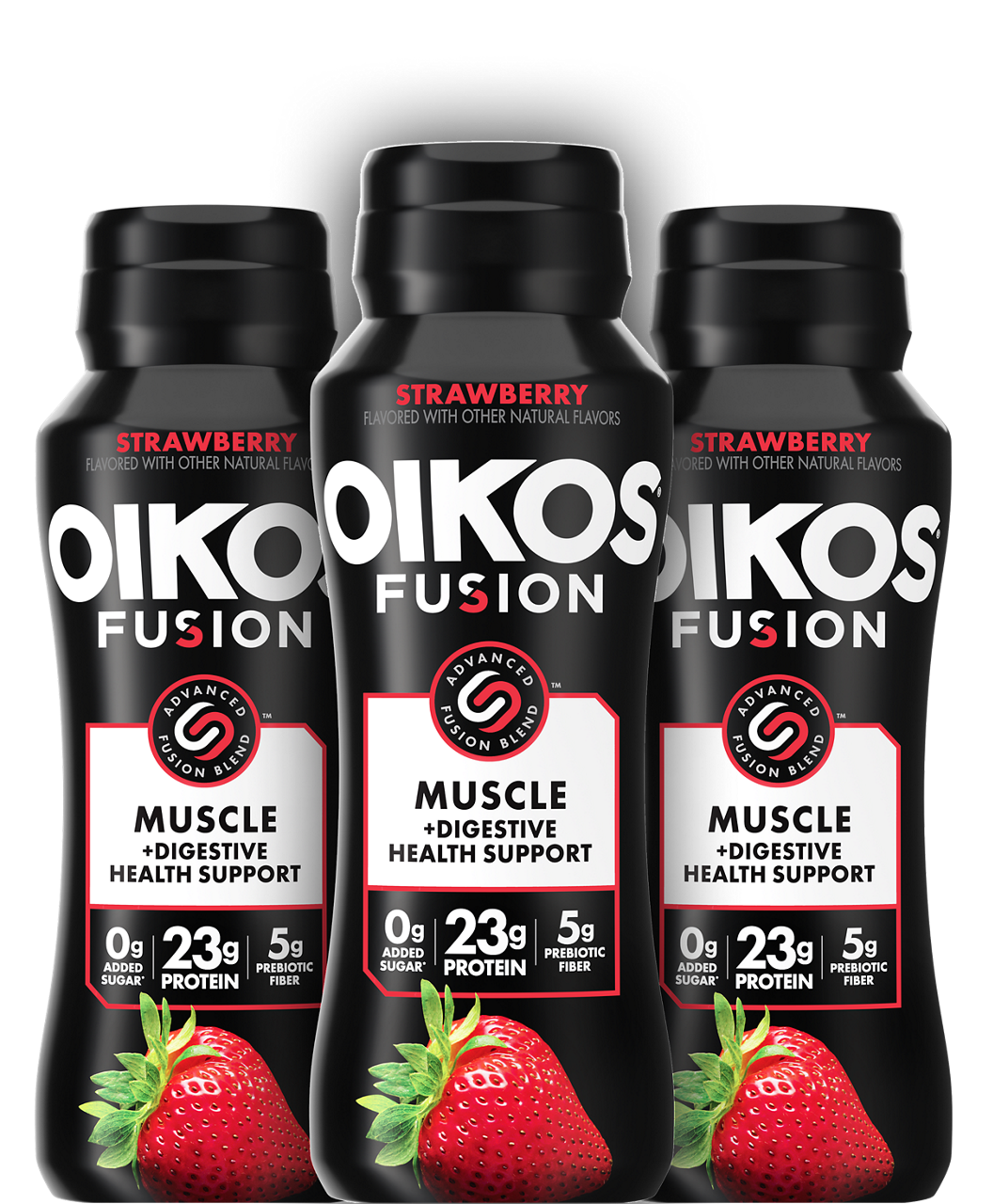





Oikos Strawberry Protein Shake
OikosAnalysis updated July 2026 · How Scout scores
At a glance
Summary
The Oikos Strawberry Protein Shake contains beneficial ingredients like milk protein concentrate and micellar casein isolate, which provide high-quality protein for muscle repair and growth. However, the presence of high oleic sunflower oil, a processed seed oil, and the use of natural flavors, which lack transparency, are notable concerns. While the product is relatively low in sugar and fat, these ingredient issues impact its overall formulation quality.
Key ingredients 7
Milk Protein ConcentrateGood
Milk protein concentrate is a high-quality protein source rich in essential amino acids. It supports muscle repair and growth, making it beneficial for active individuals. The concentrate form retains most of the protein content while reducing lactose.
Risks
May cause digestive issues for individuals with lactose intolerance.
Benefits
Provides a complete amino acid profile beneficial for muscle synthesis and recovery.
Micellar Casein IsolateGood
Micellar casein isolate is a slow-digesting protein that provides a sustained release of amino acids. It is beneficial for muscle maintenance and recovery, especially during prolonged periods without food. The isolate form minimizes lactose content, enhancing digestibility.
Risks
May cause digestive discomfort in those with dairy sensitivities.
Benefits
Supports prolonged muscle protein synthesis and helps prevent muscle breakdown.
InulinGood
Beneficial ingredient — whole-food or functional value in this product class.
Risks
Excessive intake may lead to bloating and gas.
Benefits
Supports digestive health by promoting the growth of beneficial gut bacteria.
Coconut OilGood
Beneficial ingredient — whole-food or functional value in this product class.
Risks
High in saturated fats, which may impact heart health if consumed in excess.
Benefits
Contains MCTs that can be rapidly used for energy.
Filtered WaterNeutral
Filtered water is a neutral ingredient that serves as a base for the shake. It provides hydration and helps dissolve other ingredients. No significant processing concerns are associated with filtered water.
See more about Filtered Water →Natural FlavorsBad
Natural flavors are a catch-all term for flavoring agents derived from natural sources but can be highly processed. They are used to enhance taste but lack transparency in their composition. The lack of specific ingredient disclosure raises concerns about potential allergens and additives.
Risks
Potential allergens and additives may be present without clear labeling.
High Oleic Sunflower OilVery Bad
High oleic sunflower oil is a seed oil high in monounsaturated fats but still considered harmful due to its processing and omega-6 content. It is often used for its stability and neutral flavor. Despite its high oleic acid content, it is still a seed oil and should be limited in consumption.
Risks
High omega-6 content may promote inflammation when consumed in excess.
Benefits
Rich in monounsaturated fats that support heart health.
Processing
Processed Foods
Get the full breakdown in the Scout appTake Scout shopping
Scan any product to see lab results, healthy alternatives, and your personalized analysis.
Download on theApp Store GET IT ONGoogle PlayAmazon pricing & content
Amazon price as of . Product prices and availability are accurate as of the date/time indicated and are subject to change. Any price and availability information displayed on Amazon.com at the time of purchase will apply to the purchase of this product.
CERTAIN CONTENT THAT APPEARS ON THIS SITE COMES FROM AMAZON. THIS CONTENT IS PROVIDED “AS IS” AND IS SUBJECT TO CHANGE OR REMOVAL AT ANY TIME.