

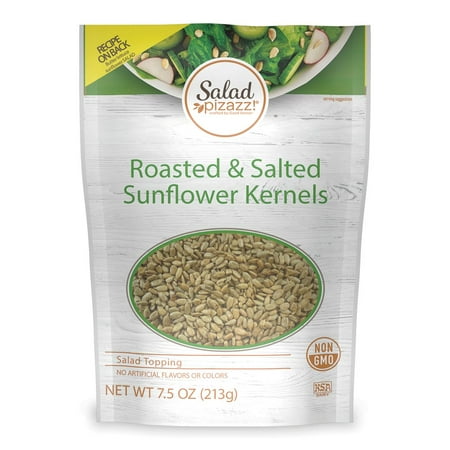


dry roasted sunflower kernels
Analysis updated July 2026 · How Scout scores
At a glance
Summary
This product contains nutrient-dense sunflower kernels and sea salt, which are beneficial for health. However, the inclusion of sugar, cornstarch, and maltodextrin adds unnecessary calories and processing. The presence of these additives, along with the processing level, limits the overall healthiness of the product.
Key ingredients 9
Sunflower KernelsGood
Sunflower kernels are a nutrient-dense whole food rich in healthy fats, protein, and essential vitamins and minerals. They provide a good source of vitamin E, magnesium, and selenium, which support overall health. As a minimally processed ingredient, they retain their natural nutritional profile.
Benefits
Rich in healthy fats, protein, and essential nutrients like vitamin E and magnesium, supporting heart health and antioxidant defense.
Sea SaltGood
Sea salt is a minimally processed source of sodium and trace minerals. It is often preferred over refined table salt due to its natural mineral content. The use of sea salt can enhance flavor without the need for excessive additives.
Risks
Excessive sodium intake can lead to high blood pressure and other cardiovascular issues.
Benefits
Provides essential sodium and trace minerals, supporting electrolyte balance and enhancing flavor.
Garlic PowderGood
Concentrated whole-food seasoning.
Benefits
May provide some of the health benefits associated with fresh garlic, such as supporting cardiovascular health.
CornstarchNeutral
Cornstarch is a refined carbohydrate used as a thickening agent in foods. It provides no significant nutritional value but is useful for texture and consistency in food products. As a processed ingredient, it lacks the fiber and nutrients found in whole corn.
Risks
Excessive consumption of refined carbohydrates can contribute to blood sugar imbalances.
Smoked Torula YeastNeutral
Smoked torula yeast is used as a flavor enhancer, providing a smoky, umami taste to foods. It is a natural ingredient derived from yeast, often used in place of artificial flavorings. While it adds flavor, it does not contribute significant nutritional benefits.
Benefits
Adds flavor without the need for artificial additives, enhancing the taste profile of foods.
Dried Corn SyrupNeutral
Dried corn syrup is a sweetener derived from corn, used to add sweetness and texture to foods. It is a processed ingredient that provides quick energy but lacks essential nutrients. Its use is common in processed foods to enhance sweetness.
Risks
May contribute to excessive sugar intake and related health issues if consumed in large amounts.
SpiceNeutral
Spices are used to enhance flavor and may provide some antioxidant properties. The specific spices used are not detailed, making it difficult to assess their individual benefits. Generally, spices can contribute to flavor complexity and potential health benefits.
Benefits
May provide flavor enhancement and potential antioxidant benefits depending on the specific spices used.
SugarBad
Refined sugar is a high-calorie ingredient with no essential nutrients, contributing to empty calorie intake. It can lead to blood sugar spikes and increased risk of metabolic disorders when consumed in excess. Its inclusion in processed foods is often linked to increased calorie content without nutritional benefits.
Risks
High consumption of refined sugar is associated with obesity, type 2 diabetes, and dental cavities.
MaltodextrinBad
Processed additive flagged under Scout's ingredient doctrine.
Risks
May cause rapid blood sugar spikes and is often used in processed foods with low nutritional value.
Processing
Processed Foods
Get the full breakdown in the Scout appTake Scout shopping
Scan any product to see lab results, healthy alternatives, and your personalized analysis.
Download on theApp Store GET IT ONGoogle Play