


At a glance
Summary
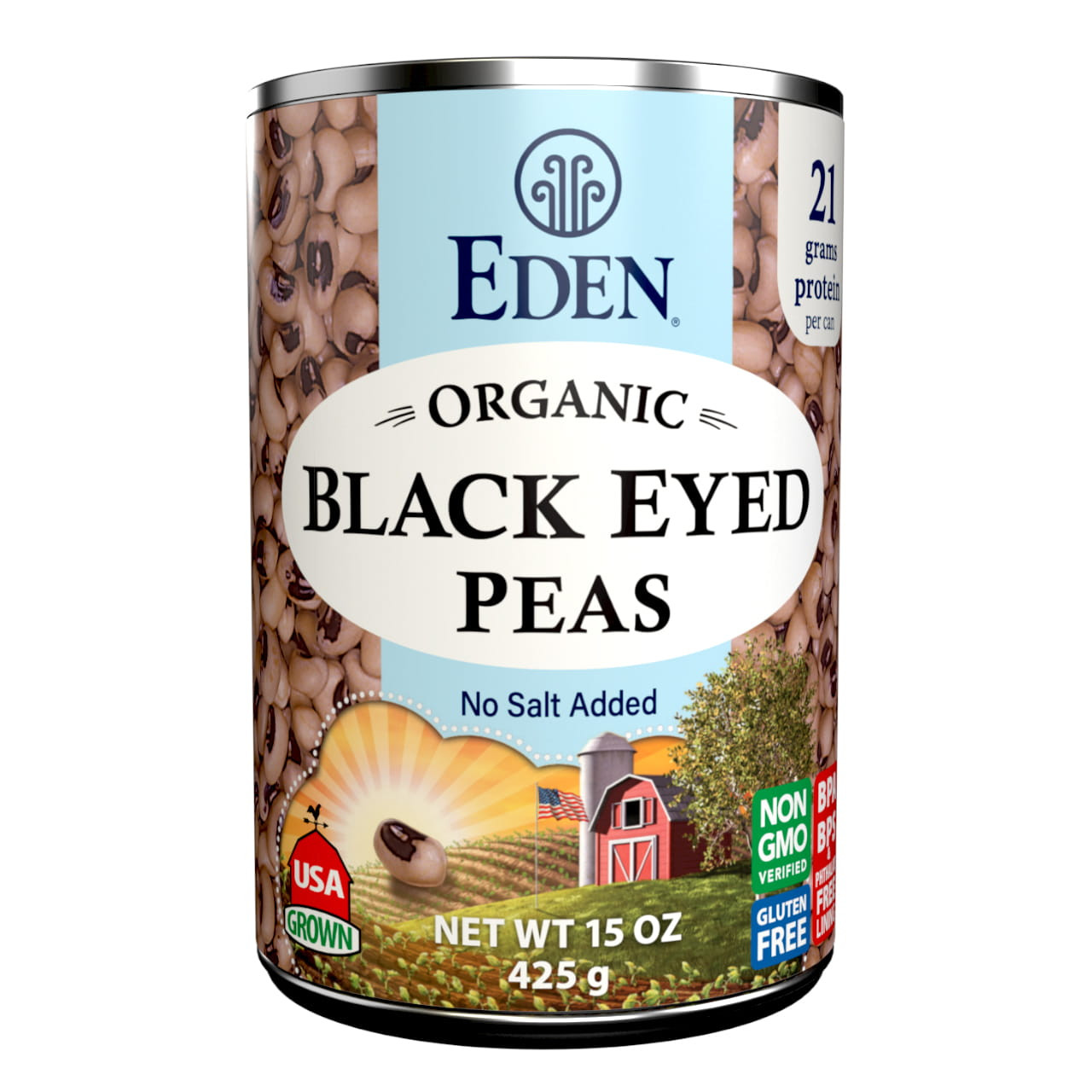
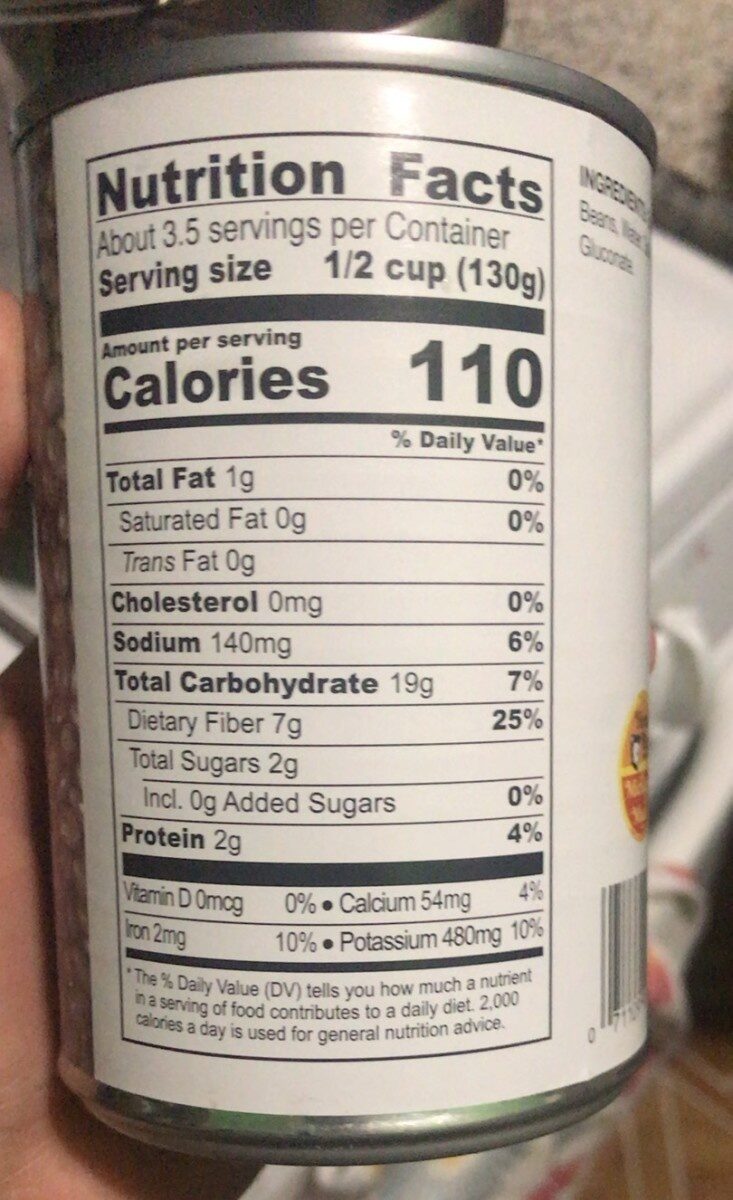
This product contains black-eye peas, which are a good source of plant-based protein and fiber, contributing positively to its nutritional profile. However, the presence of disodium EDTA, a synthetic preservative, indicates a level of processing that prevents it from being rated higher. The simple ingredient list and absence of seed oils or artificial colors help maintain a moderate score.
Key ingredients 4
Black-eye peasGood
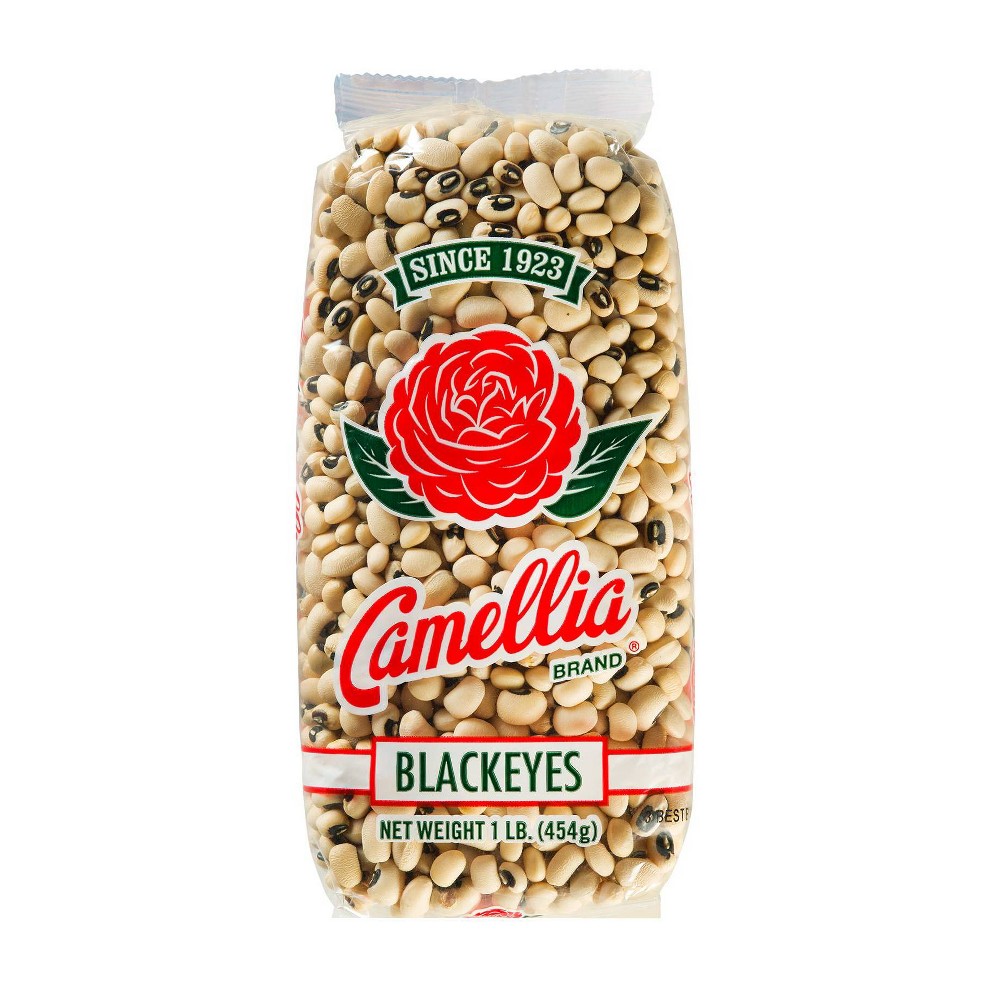
Black-eye peas are a good source of plant-based protein and fiber. They provide essential nutrients such as folate, iron, and magnesium. Their inclusion supports digestive health and provides a moderate protein boost.
Benefits
Rich in fiber and protein, supporting digestive health and providing essential nutrients like folate and iron.
WaterNeutral
Water is a neutral ingredient used as a base or solvent in many food products. It does not contribute any calories or nutrients. Its presence is essential for maintaining the texture and consistency of canned foods.
See more about Water →SaltNeutral
Salt is used to enhance flavor and preserve food. It is a common ingredient in processed foods but does not provide additional nutritional benefits. Excessive consumption can lead to health issues such as hypertension.
Risks
High sodium intake can contribute to hypertension and cardiovascular issues.
Disodium edtaBad
Disodium EDTA is a synthetic preservative used to retain color and prevent spoilage. It is not naturally occurring and may have potential health concerns. Its use is common in processed foods to maintain appearance.
Risks
May cause allergic reactions or gastrointestinal discomfort in sensitive individuals.
Processing
Processed Foods
Get the full breakdown in the Scout appTake Scout shopping
Scan any product to see lab results, healthy alternatives, and your personalized analysis.
Download on theApp Store GET IT ONGoogle Play