
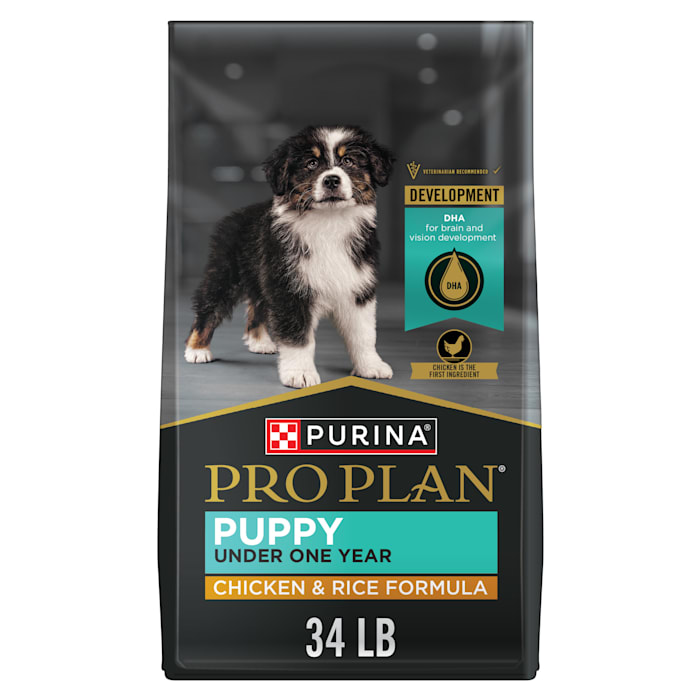
Purina Pro Plan Puppy Dry Dog Food High Protein Muscle Support Chicken & Rice Formula 34 lb Bag
Analysis updated August 2026 · How Scout scores
At a glance
Summary
This dog food contains beneficial ingredients like chicken, beef fat, and fish oil, which provide high-quality protein and essential fatty acids. However, it also includes soybean meal, a less digestible plant-based protein, and 'natural flavor,' which lacks transparency. The product is moderately processed, which limits its score despite the presence of some high-quality ingredients.
Key ingredients 41
ChickenGood
Chicken is a high-quality protein source that supports muscle development in puppies. It provides essential amino acids necessary for growth and maintenance. As a whole food ingredient, it is minimally processed and easily digestible.
Benefits
Rich in protein and essential nutrients that support muscle growth and overall health in puppies.
Beef Fat Preserved With Mixed-TocopherolsGood
Beef fat is a source of energy and essential fatty acids for dogs. Mixed-tocopherols, a form of vitamin E, are used as natural preservatives to maintain freshness. This ingredient supports healthy skin and coat.
Benefits
Provides essential fatty acids and energy, supporting skin and coat health.
Dried Egg ProductGood
Dried egg product is a high-quality protein source rich in essential amino acids. It supports muscle development and overall health in puppies. Eggs are highly digestible and provide a complete amino acid profile.
Benefits
Rich in high-quality protein and essential nutrients, supporting growth and health.
Fish MealGood
Fish meal is a concentrated source of protein and omega-3 fatty acids. It supports skin, coat, and joint health in dogs. The quality depends on the fish source and processing methods.
Risks
Potential for contamination with heavy metals if sourced from low-quality fish.
Benefits
Rich in protein and omega-3 fatty acids, supporting overall health.
Fish OilGood
Fish oil is a rich source of omega-3 fatty acids, supporting skin, coat, and joint health. It provides anti-inflammatory benefits and supports cognitive function. High-quality fish oil is purified to remove contaminants.
Risks
Potential for contamination with heavy metals if not properly purified.
Benefits
Supports skin, coat, and joint health with anti-inflammatory properties.
Zinc ProteinateGood
Zinc proteinate is a chelated form of zinc, enhancing absorption and bioavailability. It supports immune function and skin health. Chelated minerals are more efficiently utilized by the body.
Benefits
Enhances immune function and supports skin health with improved absorption.
Manganese ProteinateGood
Manganese proteinate is a chelated form of manganese, enhancing absorption and bioavailability. It supports bone development and enzyme function. Chelated minerals are more efficiently utilized by the body.
Benefits
Supports bone development and enzyme function with improved absorption.
Copper ProteinateGood
Copper proteinate is a chelated form of copper, enhancing absorption and bioavailability. It supports red blood cell production and connective tissue health. Chelated minerals are more efficiently utilized by the body.
Benefits
Supports red blood cell production and connective tissue health with improved absorption.
Vitamin E SupplementGood
Vitamin E supplement provides antioxidant benefits, supporting immune function and skin health. It is essential for protecting cells from oxidative damage. Supplementation ensures adequate intake in pet diets.
Benefits
Supports immune function and skin health with antioxidant properties.
NiacinGood
Beneficial ingredient — whole-food or functional value in this product class.
Benefits
Supports energy metabolism and skin health by providing essential vitamin B-3.
Vitamin A SupplementGood
Vitamin A supplement supports vision, immune function, and skin health. It is essential for maintaining healthy mucous membranes and skin. Supplementation ensures adequate intake in pet diets.
Risks
Excessive intake may lead to vitamin A toxicity and related health issues.
Benefits
Supports vision, immune function, and skin health with essential vitamin A.
Vitamin B-12 SupplementGood
Vitamin B-12 supplement supports energy metabolism and nerve function. It is essential for red blood cell production and DNA synthesis. Supplementation ensures adequate intake in pet diets.
Benefits
Supports energy metabolism and nerve function with essential vitamin B-12.
Pyridoxine HydrochlorideGood
Beneficial ingredient — whole-food or functional value in this product class.
Benefits
Supports protein metabolism and brain health by providing essential vitamin B-6.
Vitamin D-3 SupplementGood
Vitamin D-3 supplement supports bone health and calcium absorption. It is essential for maintaining healthy bones and teeth. Supplementation ensures adequate intake in pet diets.
Risks
Excessive intake may lead to vitamin D toxicity and related health issues.
Benefits
Supports bone health and calcium absorption with essential vitamin D-3.
BiotinGood
Beneficial ingredient — whole-food or functional value in this product class.
Benefits
Supports skin, coat, and nail health by providing essential vitamin B-7.
Dried Bacillus Coagulans Fermentation ProductGood
Dried Bacillus coagulans fermentation product is a probiotic that supports digestive health. It helps maintain a healthy gut flora and improves digestion. Probiotics are beneficial for overall gut health and immune function.
Benefits
Supports digestive health and immune function with beneficial probiotics.
RiceNeutral
Rice is a carbohydrate source that provides energy for active puppies. It is a common ingredient in pet foods due to its digestibility and low allergenic potential. However, it lacks significant nutritional diversity compared to whole grains.
Benefits
Provides a source of energy and is generally well-tolerated by dogs.
Poultry By-Product MealNeutral
Poultry by-product meal is a rendered product from poultry parts, providing protein and essential nutrients. It is a cost-effective protein source but may vary in quality. The nutritional value depends on the specific parts used and processing methods.
Risks
Potential variability in quality and nutritional content depending on the source.
Benefits
Offers a concentrated source of protein and nutrients essential for growth.
Corn Protein MealNeutral
Corn protein meal is a plant-based protein source used to boost protein content in pet foods. It is less digestible than animal-based proteins and may not provide a complete amino acid profile. However, it is a cost-effective ingredient for protein supplementation.
Risks
May not provide a complete amino acid profile and could lead to nutritional imbalances if over-relied upon.
Benefits
Contributes to the overall protein content of the food.
Whole Grain WheatNeutral
Whole grain wheat provides carbohydrates and fiber, supporting digestive health. It is a common ingredient in pet foods but may cause allergies in some dogs. The nutritional value is moderate compared to other grains.
Risks
Potential allergen for some dogs, leading to digestive issues.
Benefits
Offers carbohydrates and fiber, supporting energy and digestive health.
Whole Grain CornNeutral
Whole grain corn is a carbohydrate source that provides energy and some fiber. It is widely used in pet foods but is less nutritionally diverse than other grains. Corn is generally well-tolerated but can be an allergen for some pets.
Risks
Potential allergen for some dogs, though generally well-tolerated.
Benefits
Provides energy and fiber, supporting overall health.
Corn Germ MealNeutral
Corn germ meal is a by-product of corn processing, providing protein and fiber. It is less digestible than animal proteins and may not offer a complete amino acid profile. However, it is a cost-effective ingredient for protein supplementation.
Risks
May not provide a complete amino acid profile and could lead to nutritional imbalances if over-relied upon.
Benefits
Contributes to the overall protein and fiber content of the food.
Dried YeastNeutral
Dried yeast is used as a flavor enhancer and source of B vitamins. It can support digestive health and immune function. However, it may cause allergies in some pets.
Risks
Potential allergen for some pets, though generally well-tolerated.
Benefits
Provides B vitamins and supports digestive health.
GlycerinNeutral
Glycerin is used as a humectant to retain moisture in pet foods. It is generally recognized as safe but offers no significant nutritional value. It helps maintain texture and palatability.
Benefits
Helps retain moisture and improve texture in pet foods.
Calcium CarbonateNeutral
Calcium carbonate is used as a calcium supplement to support bone health. It is a common additive in pet foods to ensure adequate calcium intake. While beneficial, excessive calcium can lead to health issues.
Risks
Excessive intake may lead to calcium imbalances and related health issues.
Benefits
Supports bone health by providing essential calcium.
Mono And Dicalcium PhosphateNeutral
Mono and dicalcium phosphate provide phosphorus and calcium, supporting bone health. They are commonly used in pet foods to ensure balanced mineral intake. Proper balance is crucial to avoid health issues.
Risks
Imbalance in calcium and phosphorus can lead to skeletal issues.
Benefits
Supports bone health by providing essential minerals.
Soybean OilNeutral
Soybean oil is a source of omega-6 fatty acids, used for energy and skin health. In pet food, it is classified as neutral due to different dietary needs compared to humans. It is a common ingredient but lacks the benefits of higher-quality oils.
Risks
High omega-6 content may promote inflammation if consumed in excess.
Benefits
Provides energy and supports skin health with omega-6 fatty acids.
SaltNeutral
Salt is used to enhance flavor and provide essential sodium. It is necessary for maintaining fluid balance and nerve function. However, excessive salt intake can lead to health issues.
Risks
Excessive intake may lead to hypertension and other health issues.
Benefits
Provides essential sodium for fluid balance and nerve function.
Potassium ChlorideNeutral
Potassium chloride is used to provide potassium, an essential mineral for heart and muscle function. It is a common additive in pet foods to ensure adequate potassium intake. Proper balance is crucial to avoid health issues.
Risks
Imbalance in potassium levels can lead to health issues.
Benefits
Supports heart and muscle function by providing essential potassium.
Ferrous SulfateNeutral
Ferrous sulfate is a source of iron, essential for oxygen transport in the blood. It is commonly used in pet foods to prevent iron deficiency. However, excessive iron can lead to toxicity.
Risks
Excessive intake may lead to iron toxicity and related health issues.
Benefits
Prevents iron deficiency by providing essential iron for blood health.
Calcium IodateNeutral
Calcium iodate is a source of iodine, essential for thyroid function. It is commonly used in pet foods to ensure adequate iodine intake. Proper balance is crucial to avoid thyroid issues.
Risks
Imbalance in iodine levels can lead to thyroid issues.
Benefits
Supports thyroid function by providing essential iodine.
Sodium SeleniteNeutral
Sodium selenite is a source of selenium, an essential trace mineral for antioxidant function. It is commonly used in pet foods to ensure adequate selenium intake. Proper balance is crucial to avoid health issues.
Risks
Excessive intake may lead to selenium toxicity and related health issues.
Benefits
Supports antioxidant function by providing essential selenium.
Choline ChlorideNeutral
Choline chloride is a source of choline, essential for liver function and brain health. It is commonly used in pet foods to ensure adequate choline intake. Proper balance is crucial to avoid health issues.
Benefits
Supports liver function and brain health by providing essential choline.
Calcium PantothenateNeutral
Calcium pantothenate, or vitamin B-5, supports energy metabolism and adrenal function. It is an essential nutrient commonly added to pet foods. Proper balance is crucial to avoid health issues.
Benefits
Supports energy metabolism and adrenal function by providing essential vitamin B-5.
Thiamine MononitrateNeutral
Thiamine mononitrate, or vitamin B-1, supports energy metabolism and nerve function. It is an essential nutrient commonly added to pet foods. Proper balance is crucial to avoid health issues.
Benefits
Supports energy metabolism and nerve function by providing essential vitamin B-1.
Riboflavin SupplementNeutral
Riboflavin supplement, or vitamin B-2, supports energy metabolism and skin health. It is an essential nutrient commonly added to pet foods. Proper balance is crucial to avoid health issues.
Benefits
Supports energy metabolism and skin health by providing essential vitamin B-2.
Folic AcidNeutral
Folic acid, or vitamin B-9, supports DNA synthesis and cell division. It is an essential nutrient commonly added to pet foods. Proper balance is crucial to avoid health issues.
Benefits
Supports DNA synthesis and cell division by providing essential vitamin B-9.
Menadione Sodium Bisulfite ComplexNeutral
Menadione sodium bisulfite complex, or vitamin K, supports blood clotting and bone health. It is a synthetic form of vitamin K commonly added to pet foods. Proper balance is crucial to avoid health issues.
Benefits
Supports blood clotting and bone health by providing essential vitamin K.
Garlic OilNeutral
Garlic oil is used for flavor and potential health benefits, such as immune support. However, in large amounts, garlic can be toxic to dogs. It is used in small quantities in pet foods.
Risks
Potential toxicity in large amounts, but generally safe in small quantities used in pet foods.
Benefits
May support immune function and enhance flavor in small amounts.
Soybean MealBad
Soybean meal is a plant-based protein source that is less digestible than animal proteins. It may contain anti-nutritional factors that affect nutrient absorption. Additionally, soy is a common allergen for some pets.
Risks
Potential allergen and may contain anti-nutritional factors affecting digestion.
Benefits
Contributes to protein content but is less beneficial compared to animal-based proteins.
Natural FlavorBad
Natural flavor is a catch-all term for flavoring agents derived from natural sources. It lacks transparency and may include a variety of substances. The specific composition is often undisclosed, raising concerns about potential allergens or additives.
Risks
Lack of transparency may hide potential allergens or undesirable additives.
Benefits
Enhances palatability of the food, encouraging consumption.
Processing
Processed Foods
Get the full breakdown in the Scout appTake Scout shopping
Scan any product to see lab results, healthy alternatives, and your personalized analysis.
Download on theApp Store GET IT ONGoogle PlayAmazon pricing & content
Amazon price as of . Product prices and availability are accurate as of the date/time indicated and are subject to change. Any price and availability information displayed on Amazon.com at the time of purchase will apply to the purchase of this product.
CERTAIN CONTENT THAT APPEARS ON THIS SITE COMES FROM AMAZON. THIS CONTENT IS PROVIDED “AS IS” AND IS SUBJECT TO CHANGE OR REMOVAL AT ANY TIME.