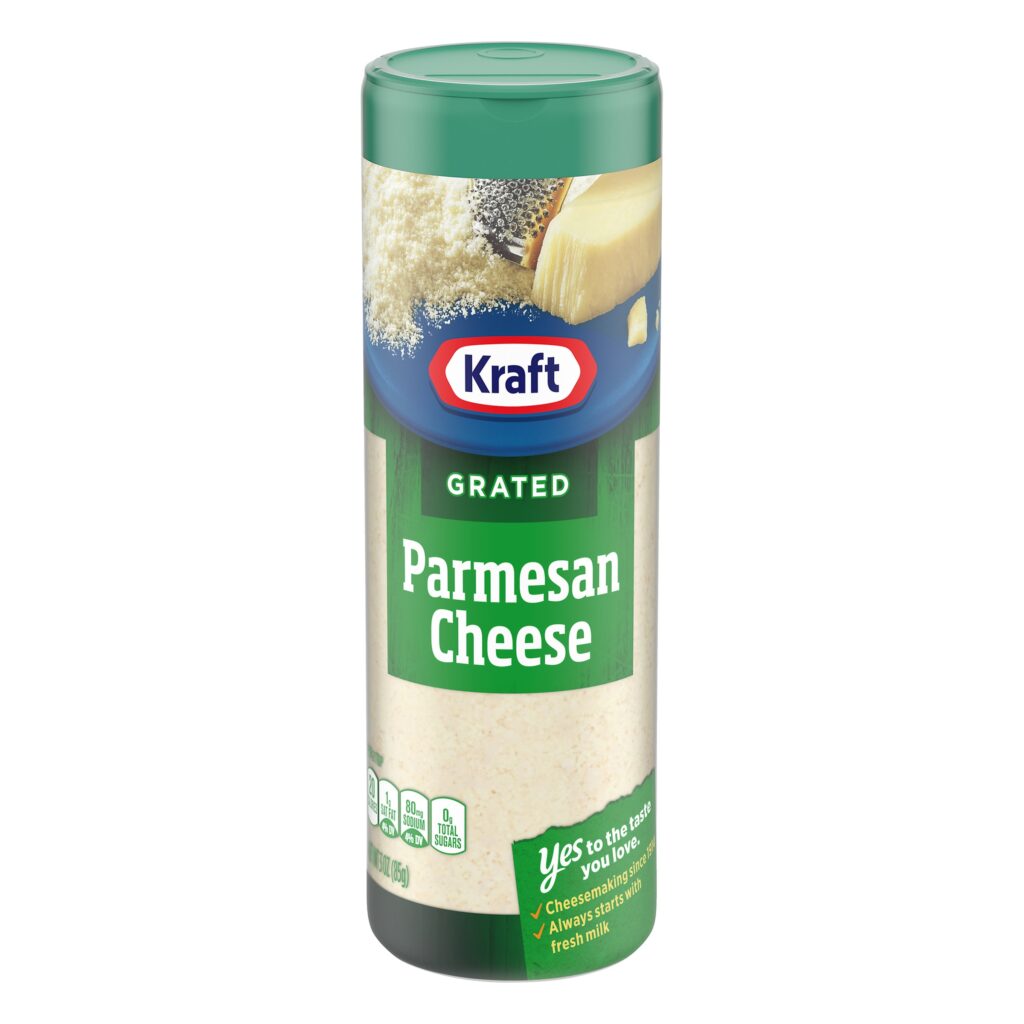
Parmesan Romano Cheese

At a glance
Summary
This cheese product contains high-quality Parmesan and Romano cheeses, which are excellent sources of protein and calcium. However, it includes potassium sorbate, a synthetic preservative, and powdered cellulose to prevent caking, which are indicative of a higher processing level. While the cheeses themselves are beneficial, the presence of additives and the processed nature of the product limit its score. Its plastic packaging can shed microplastics into the food and lowers its score.
Key ingredients 4
Parmesan cheeseGood
Parmesan cheese is a high-quality source of protein and calcium. It is made from pasteurized part skim milk, cheese culture, salt, and enzymes, which are traditional cheese-making ingredients. The aging process enhances its flavor and nutritional profile.
Risks
High sodium content may be a concern for individuals with hypertension or those on a low-sodium diet.
Benefits
Rich in protein and calcium, supporting bone health and muscle maintenance. Contains beneficial bacteria from the cheese culture that may aid digestion.
Romano cheeseGood
Romano cheese is a flavorful cheese made from cow's milk, providing a good source of protein and calcium. It includes pasteurized part skim milk, cheese culture, salt, and enzymes, similar to Parmesan. The cheese is aged, which enhances its taste and nutritional benefits.
Risks
Like Parmesan, it has a high sodium content, which can be a concern for those with sodium restrictions.
Benefits
Provides essential nutrients like protein and calcium, beneficial for bone health. The aging process may also contribute to a richer flavor profile.
Powdered celluloseNeutral
Powdered cellulose is used to prevent caking in cheese products. It is derived from plant fibers and is considered safe for consumption. It does not contribute any significant nutritional value.
Benefits
Helps maintain the texture of cheese by preventing clumping, ensuring a consistent product.
Potassium sorbateBad
Potassium sorbate is a preservative used to protect flavor and extend shelf life. It is a synthetic additive that can cause allergic reactions in sensitive individuals. While generally recognized as safe, its use in processed foods is often viewed negatively.
Risks
May cause allergic reactions or skin irritation in sensitive individuals.
Benefits
Effectively inhibits the growth of mold and yeast, helping to preserve the product's quality.
Processing
Processed Foods
Get the full breakdown in the Scout appTake Scout shopping
Scan any product to see lab results, healthy alternatives, and your personalized analysis.
Are you ShopRite? Fix an error Get the badge Get tested