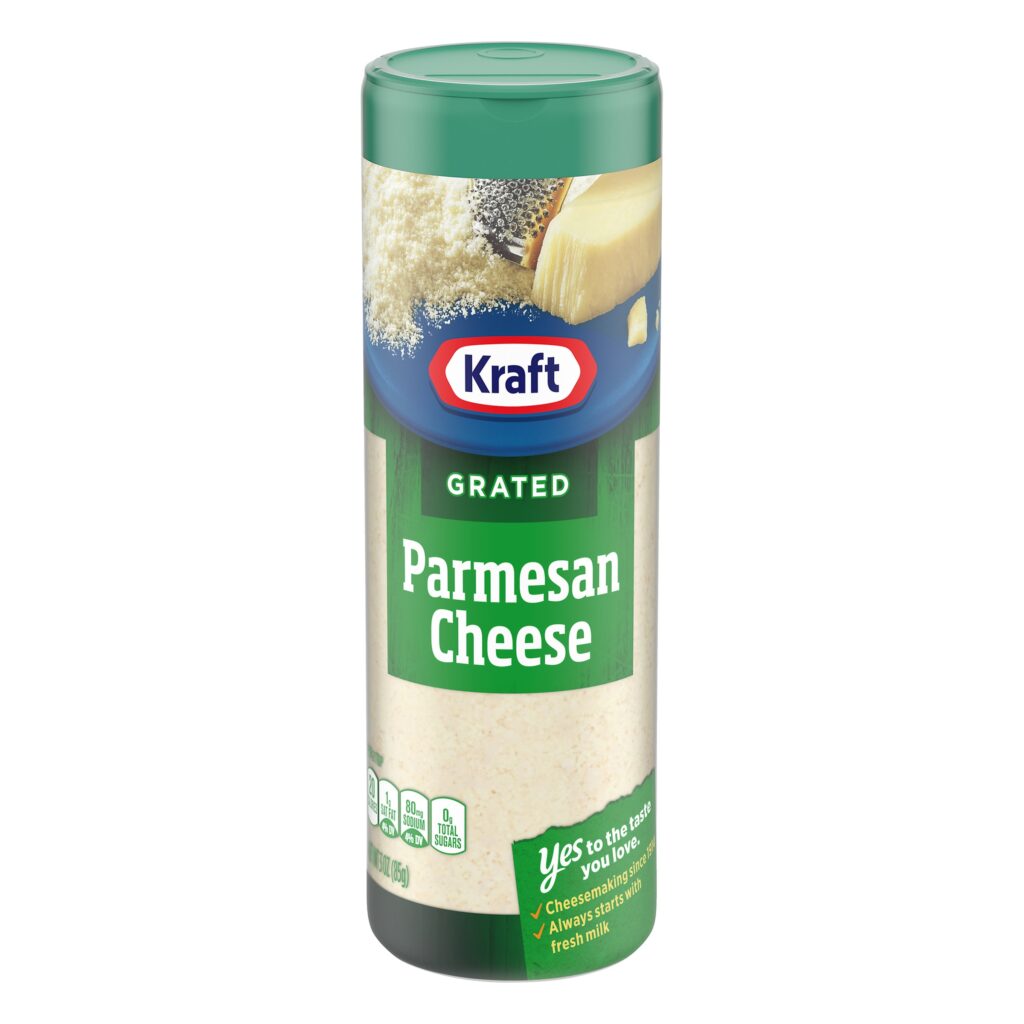
Shaved Parmesan Cheese

At a glance
Summary
This shaved Parmesan cheese is a processed product with a relatively clean ingredient list, primarily consisting of pasteurized part-skim cow's milk, cheese cultures, salt, and enzymes. However, it includes additives like potato starch and powdered cellulose to prevent caking, which are not nutritionally beneficial and slightly detract from its overall quality. The presence of natamycin as a natural mold inhibitor is acceptable, but the processing level limits its score potential. Its plastic packaging can shed microplastics into the food and lowers its score.
Key ingredients 6
Pasteurized part-skim cow's milkGood
This is a primary ingredient in cheese, providing a rich source of protein and calcium. Pasteurization ensures safety by eliminating harmful bacteria. The use of part-skim milk reduces fat content while maintaining nutritional value.
Benefits
Provides essential nutrients such as protein and calcium, which are important for bone health and muscle function.
Cheese culturesNeutral
Cheese cultures are essential for the fermentation process in cheese making. They contribute to the development of flavor and texture. These cultures are generally considered safe and beneficial for gut health.
Benefits
May support gut health by contributing beneficial bacteria during fermentation.
SaltNeutral
Salt is used in cheese making for flavor and as a preservative. It helps control the growth of unwanted bacteria. While necessary in cheese production, excessive consumption of salt can lead to health issues.
Risks
High sodium intake can contribute to hypertension and cardiovascular disease.
Benefits
Enhances flavor and acts as a preservative in cheese.
EnzymesNeutral
Enzymes are used in cheese making to coagulate milk, forming curds. They are essential for the cheese production process. These enzymes are typically derived from animal or microbial sources.
Benefits
Essential for the cheese-making process, aiding in the coagulation of milk.
NatamycinNeutral
Natamycin is a natural mold inhibitor used to extend the shelf life of cheese. It is considered safe for consumption in small amounts. This ingredient helps prevent spoilage without affecting the flavor of the cheese.
Benefits
Prevents mold growth, extending the shelf life of cheese products.
Potato starch and powdered celluloseBad
These additives are used to prevent caking in shredded cheese products. While they serve a functional purpose, they are not nutritionally beneficial. Excessive consumption of cellulose can lead to digestive issues.
Risks
May cause digestive discomfort if consumed in large quantities.
Benefits
Helps maintain the texture and prevents clumping in packaged cheese.
Processing
Processed Foods
Get the full breakdown in the Scout appTake Scout shopping
Scan any product to see lab results, healthy alternatives, and your personalized analysis.
Are you Stater Bros? Fix an error Get the badge Get tested