



Near you
Great Value is carried at Walmart stores. Find one within 25 miles.
At a glance
Summary
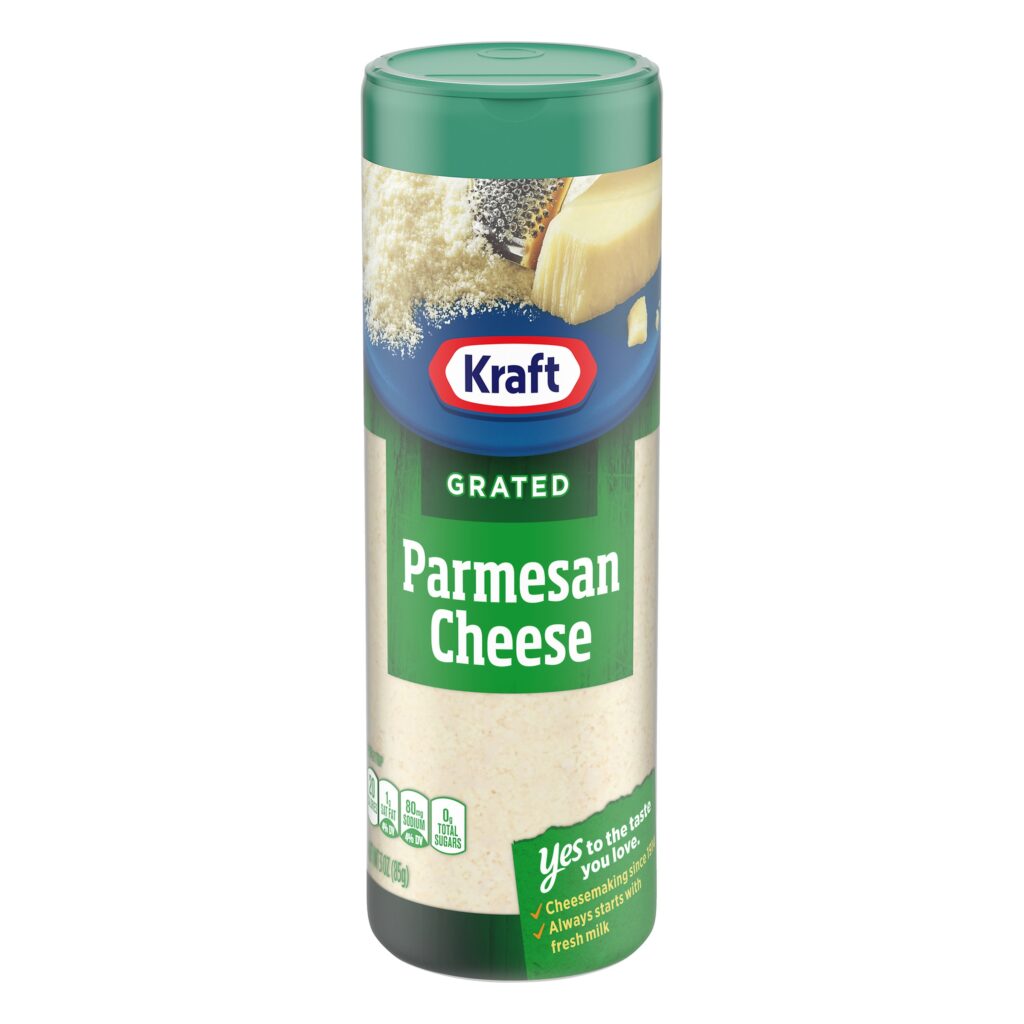
This Parmesan cheese product is made from traditional cheese-making ingredients, providing a good source of protein and calcium. However, it includes additives like potato starch and powdered cellulose to prevent caking, and natamycin as a mold inhibitor, which are typical in processed foods. These additives, while not harmful, indicate a higher level of processing compared to more traditional cheeses, impacting the overall score.
Key ingredients 5
Parmesan cheeseGood
Parmesan cheese is a high-quality source of protein and calcium, beneficial for bone health. It is made from pasteurized part-skim milk, cheese culture, salt, and enzymes, which are traditional cheese-making ingredients. The fermentation process enhances its digestibility and nutrient absorption.
Risks
Contains lactose, which may cause digestive issues for those with lactose intolerance.
Benefits
Rich in protein and calcium, supporting muscle and bone health. Contains beneficial bacteria from the cheese culture that may aid digestion.
Potato starchNeutral
Potato starch is used as an anti-caking agent to prevent clumping in cheese products. It is a refined carbohydrate with no significant nutritional value. It does not contribute to the flavor or nutritional profile of the cheese.
See more about Potato starch →Powdered celluloseNeutral
Powdered cellulose is a plant-derived fiber used to prevent caking in cheese products. It is inert and passes through the digestive system without being absorbed. It does not affect the nutritional value of the cheese.
See more about Powdered cellulose →SaltNeutral
Salt is used in cheese making to enhance flavor and act as a preservative. It is a common ingredient in cheese but contributes to the overall sodium content. While necessary for flavor, excessive consumption can lead to health issues.
Risks
High sodium intake can contribute to hypertension and cardiovascular issues.
Benefits
Enhances flavor and acts as a preservative in cheese.
NatamycinBad
Natamycin is a natural mold inhibitor used to extend the shelf life of cheese. While it is effective in preventing spoilage, it is an additive that may not be necessary in fresh, high-quality cheeses. Its use is more common in processed foods to maintain appearance and texture.
Risks
May cause allergic reactions in sensitive individuals and is unnecessary in fresh, high-quality cheeses.
Benefits
Prevents mold growth, extending the shelf life of cheese products.
Processing
Processed Foods
Get the full breakdown in the Scout appTake Scout shopping
Scan any product to see lab results, healthy alternatives, and your personalized analysis.
Download on theApp Store GET IT ONGoogle Play