


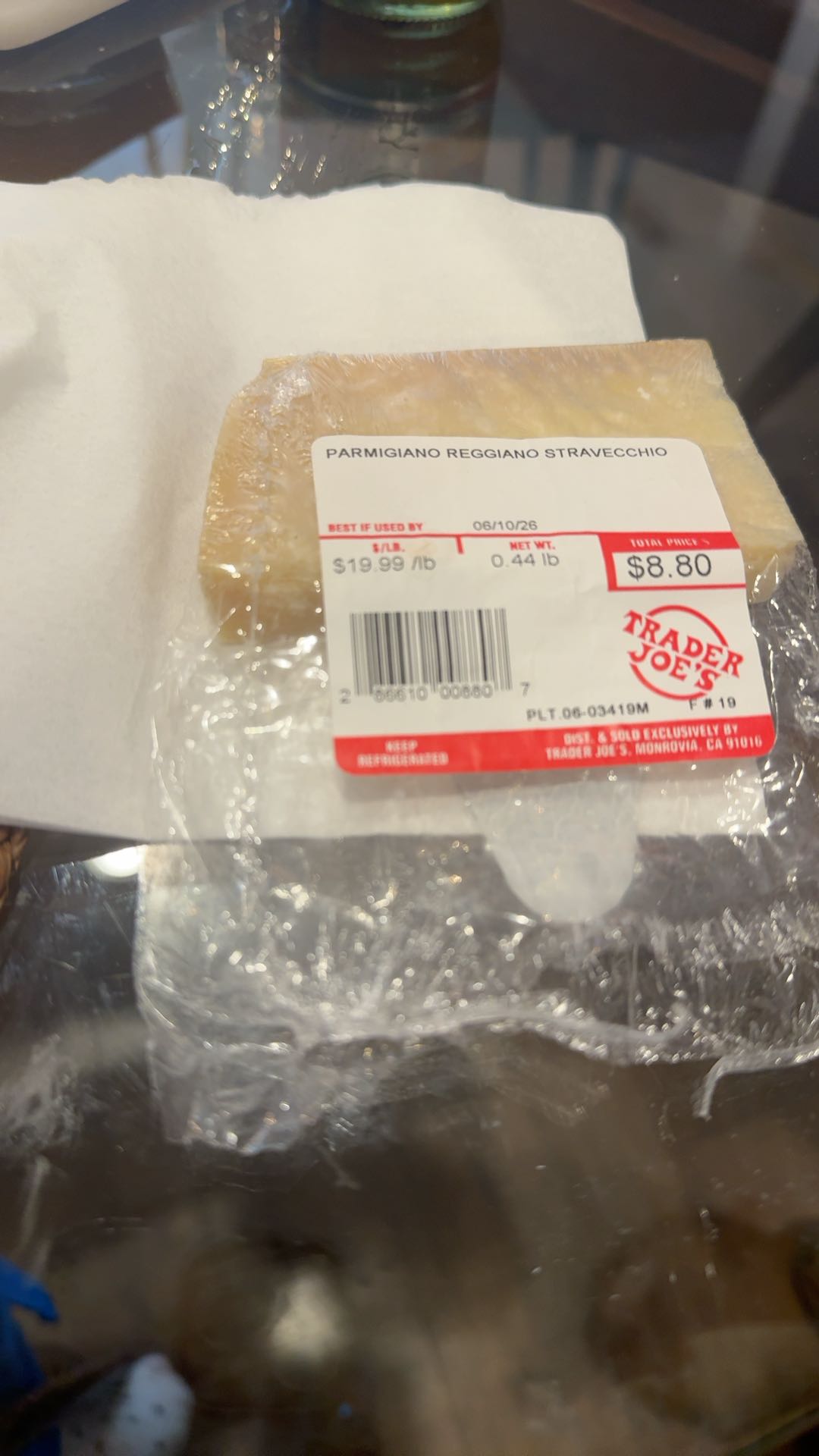
At a glance
Summary
This cheese product contains beneficial ingredients like milk, cream, and bacterial cultures, which contribute to its nutritional value and flavor. However, the presence of 'natural flavor' indicates a higher level of processing and a lack of transparency, which can be concerning for consumers with allergies or sensitivities. The product's processing level limits its maximum potential score, despite its otherwise clean ingredient list.
Key ingredients 8
MilkGood
Milk is a natural source of high-quality protein and essential nutrients like calcium and vitamin D. It is minimally processed and provides a complete amino acid profile. The presence of lactose may be a concern for those with lactose intolerance.
Risks
Lactose intolerance can cause digestive issues for some individuals.
Benefits
Rich in calcium and vitamin D, supporting bone health and providing high-quality protein.
CreamGood
Cream is a rich source of dairy fat, providing a smooth texture and flavor. It is minimally processed and contains fat-soluble vitamins like A and D. The high saturated fat content should be consumed in moderation.
Risks
High in saturated fats, which should be consumed in moderation to avoid cardiovascular risks.
Benefits
Provides fat-soluble vitamins and enhances flavor and texture in foods.
Bacterial cultureGood
Bacterial cultures are essential for the fermentation process in cheese making. They help develop flavor and improve the digestibility of the cheese. The fermentation process can also enhance probiotic content.
Benefits
Supports fermentation, flavor development, and may enhance probiotic content.
Modified milk ingredientsNeutral
Modified milk ingredients are used to enhance texture and nutritional content. They are processed derivatives of milk, such as milk powder or whey protein. While they maintain some nutritional benefits, they are more processed than whole milk.
Risks
Potential for reduced nutritional value compared to whole milk.
Benefits
Can enhance the protein content and texture of dairy products.
SaltNeutral
Salt is used as a preservative and flavor enhancer in cheese. It is a processed ingredient but essential for flavor and preservation. Excessive consumption can lead to health issues like hypertension.
Risks
Excessive salt intake can lead to hypertension and cardiovascular issues.
Benefits
Enhances flavor and acts as a preservative in cheese.
Calcium chlorideNeutral
Calcium chloride is used in cheese making to improve curd formation. It is a common additive in cheese production and is generally recognized as safe. It does not significantly alter the nutritional profile of the cheese.
Benefits
Improves curd formation and texture in cheese making.
Microbial enzymeNeutral
Microbial enzymes are used as a rennet substitute in cheese making. They are derived from microbial sources and are essential for coagulating milk. They provide an alternative to animal-derived rennet, suitable for vegetarians.
Benefits
Facilitates milk coagulation and is suitable for vegetarian cheese production.
Natural flavourBad
Natural flavors are added to enhance taste but can be highly processed and lack transparency. They may contain a variety of compounds not disclosed on the label. This lack of transparency can be concerning for those with allergies or sensitivities.
Risks
Potential allergens and lack of transparency in ingredient composition.
Benefits
Enhances flavor without adding calories.
Processing
Processed Foods
Get the full breakdown in the Scout appTake Scout shopping
Scan any product to see lab results, healthy alternatives, and your personalized analysis.
Download on theApp Store GET IT ONGoogle Play