



At a glance
Summary
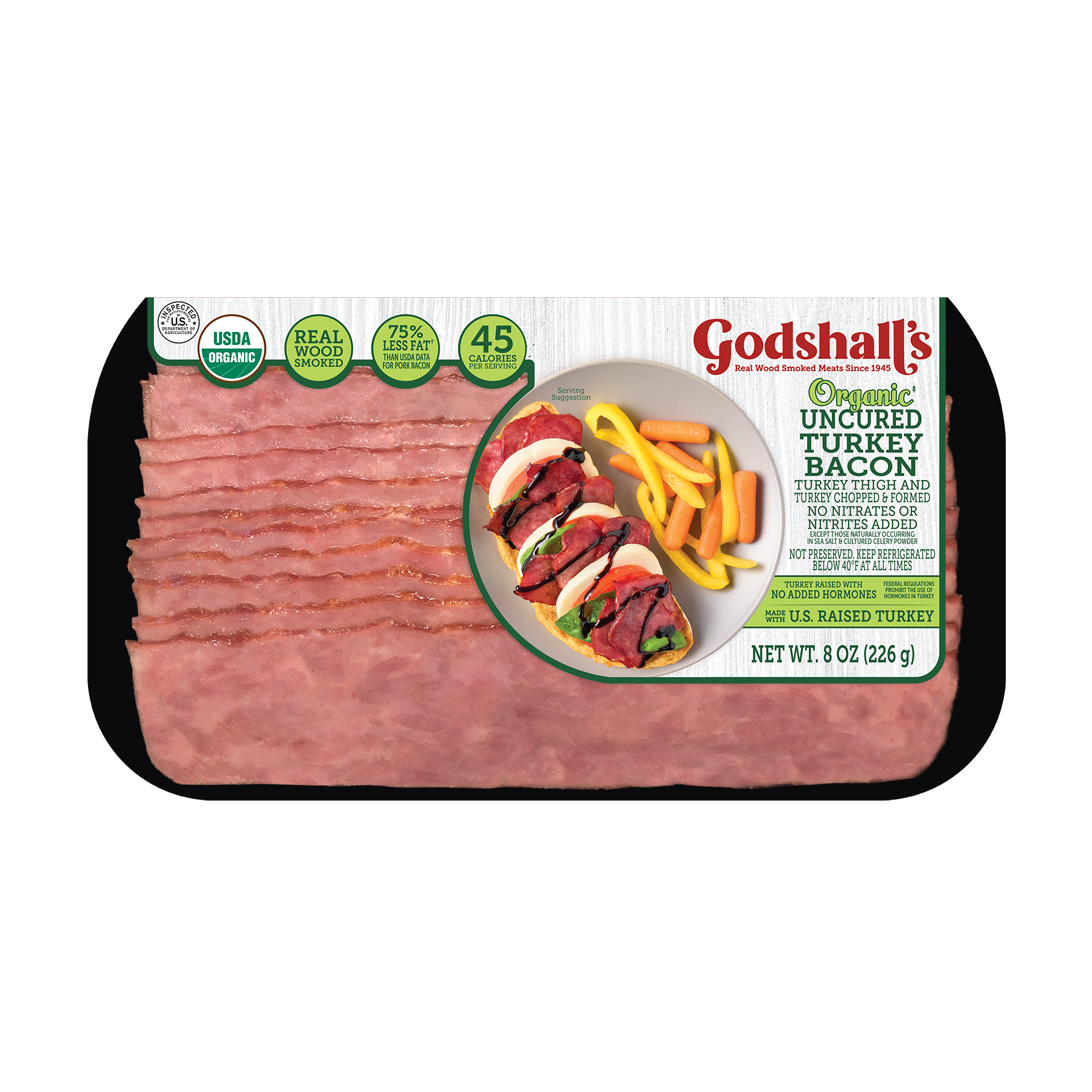
This uncured turkey bacon is a processed food with a relatively clean ingredient list, featuring turkey dark meat and natural spices like black pepper and dehydrated vegetables. However, the presence of added sugars and natural flavors introduces some concerns, as these can contribute to unnecessary calorie intake and potential overconsumption. The product's processing level limits its score, despite the use of beneficial ingredients such as vinegar and sea salt.
Key ingredients 11
Turkey dark meatGood
Turkey dark meat is a good source of protein and essential nutrients. It provides a richer flavor and higher fat content compared to white meat, which can be beneficial for satiety. The quality of the meat depends on the sourcing and processing methods.
Risks
Potential risks include the presence of antibiotics or hormones if not sourced from a reputable supplier.
Benefits
Rich in protein and essential nutrients like iron and zinc, supporting muscle growth and immune function.
VinegarGood
Vinegar is a natural preservative that can enhance flavor and shelf life. It is minimally processed and can aid in digestion. The acidity of vinegar can also help balance flavors in the product.
Risks
Excessive consumption may lead to enamel erosion or digestive discomfort.
Benefits
May aid in digestion and provide antimicrobial properties, enhancing food safety.
Sea saltGood
Sea salt is a minimally processed source of sodium and trace minerals. It is often preferred over refined salt due to its natural mineral content. The use of sea salt can enhance flavor without excessive processing.
Risks
Excessive sodium intake can lead to hypertension and cardiovascular issues.
Benefits
Provides essential sodium and trace minerals, supporting electrolyte balance and nerve function.
Black pepperGood
Black pepper is a natural spice that enhances flavor and may have antioxidant properties. It is minimally processed and can aid in digestion. Piperine, a compound in black pepper, may enhance nutrient absorption.
Benefits
May enhance nutrient absorption and provide antioxidant benefits.
Dehydrated onionGood
Dehydrated onion is a natural ingredient that adds flavor and potential health benefits. It retains some of the antioxidant properties of fresh onions. The dehydration process preserves the onion for longer shelf life without significant nutrient loss.
Benefits
Provides flavor and antioxidants, supporting immune health and reducing inflammation.
Dehydrated bell pepperGood
Dehydrated bell pepper adds flavor and nutrients such as vitamins A and C. The dehydration process preserves the peppers while maintaining most of their nutritional value. It is a natural ingredient with minimal processing.
Benefits
Rich in vitamins A and C, supporting immune function and skin health.
WaterNeutral
Water is used as a processing aid and does not contribute significant nutritional value. It helps maintain moisture in the product. There are no health concerns associated with water as an ingredient.
See more about Water →Celery powderNeutral
Celery powder is often used as a natural preservative due to its nitrate content. It is less processed than synthetic preservatives. However, it can still contribute to nitrate intake, which is a concern for some consumers.
Risks
May contribute to nitrate intake, which is a concern for some individuals.
Benefits
Acts as a natural preservative, potentially reducing the need for synthetic additives.
SugarBad
Sugar is a refined carbohydrate that can contribute to increased calorie intake without nutritional benefits. It is associated with various health issues such as obesity and dental cavities. The presence of sugar in processed foods can lead to overconsumption.
Risks
High intake can lead to obesity, insulin resistance, and dental issues.
Natural flavorsBad
Umbrella term that can hide dozens of undisclosed synthetic constituents.
Risks
Lack of transparency in composition may be a concern for some consumers.
Benefits
Enhances flavor without adding calories or artificial additives.
Cane sugarBad
Cane sugar is a refined sugar that contributes to calorie intake without providing essential nutrients. It is associated with health issues such as obesity and metabolic syndrome. The presence of cane sugar in processed foods can lead to overconsumption.
Risks
High intake can lead to obesity, insulin resistance, and dental issues.
Processing
Processed Foods
Get the full breakdown in the Scout appTake Scout shopping
Scan any product to see lab results, healthy alternatives, and your personalized analysis.
Download on theApp Store GET IT ONGoogle Play