


At a glance
Summary
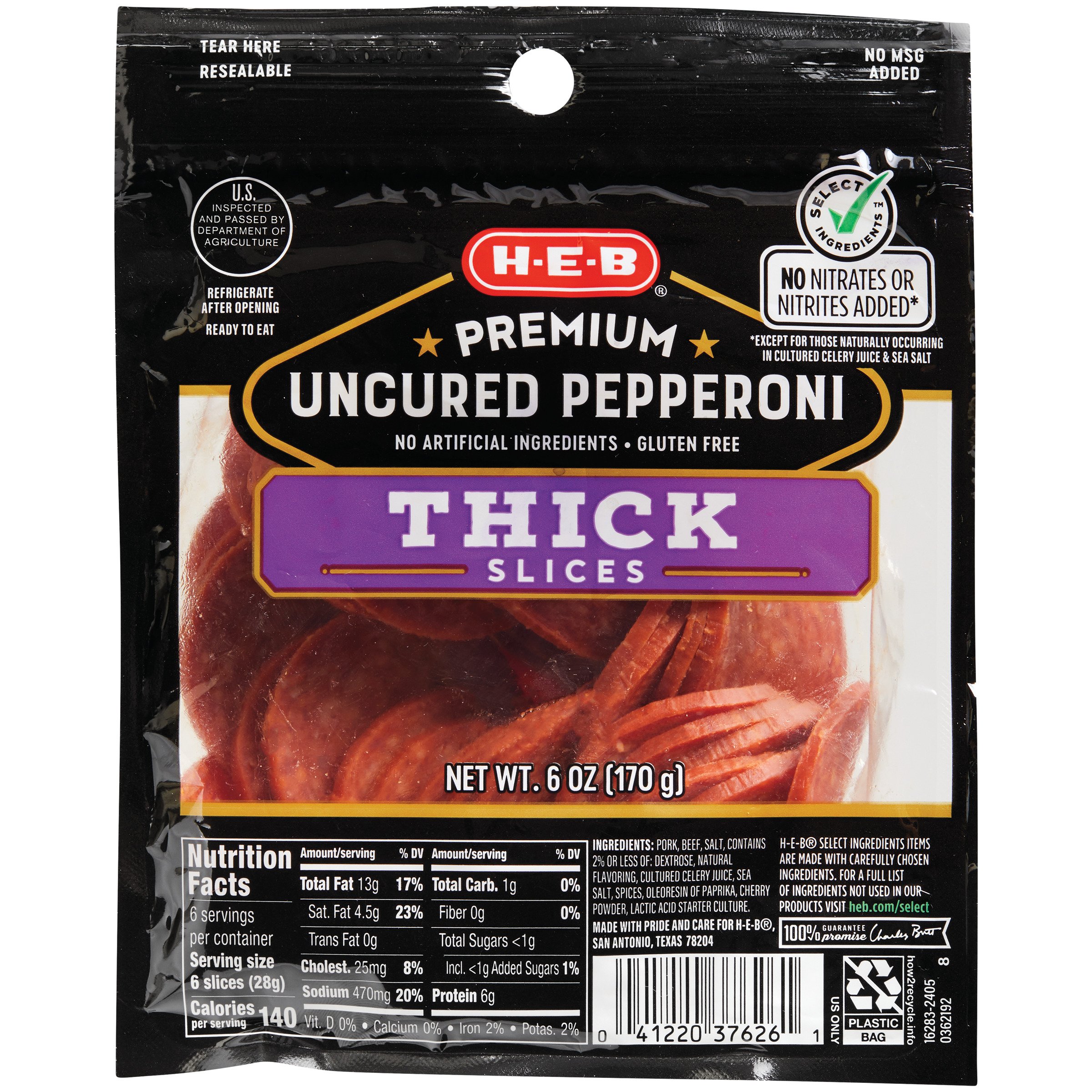
This product is ultra-processed, which limits its potential health score. While it contains beneficial ingredients like pork and beef, it also includes dextrose, natural flavoring, and sodium nitrate, which are concerning due to their potential health risks. The presence of these additives and the high level of processing contribute to a lower score.
Key ingredients 13
PorkGood
Pork is a high-quality source of protein and essential nutrients. It provides a rich amino acid profile necessary for muscle maintenance and growth. When sourced from well-raised animals, it can be a nutritious component of a balanced diet.
Risks
Potential risks include high saturated fat content and the possibility of contamination if not cooked properly.
Benefits
Rich in protein and essential vitamins such as B12 and zinc, supporting overall health and energy levels.
BeefGood
Beef is a nutrient-dense protein source that provides essential amino acids. It is rich in iron and B vitamins, which are crucial for energy production and red blood cell formation. Grass-fed beef is particularly beneficial due to higher omega-3 fatty acids.
Risks
Excessive consumption may lead to increased cholesterol levels and heart disease risk.
Benefits
Provides high-quality protein and essential nutrients like iron and vitamin B12, supporting muscle health and energy metabolism.
Sea SaltGood
Unrefined sea salt — a minimally processed, natural source of sodium and essential trace minerals, and a legitimate whole-food seasoning. Treated as a positive ingredient.
Risks
High sodium intake can lead to hypertension and increased cardiovascular risk.
Benefits
Contains trace minerals that may offer slight nutritional benefits over regular table salt.
SpicesGood
Whole-food seasonings, antioxidant-bearing.
Benefits
May provide antioxidant benefits and enhance flavor without adding calories.
SaltNeutral
Salt is used as a preservative and flavor enhancer in processed meats. It is essential for maintaining fluid balance and nerve function. However, excessive intake can lead to hypertension and cardiovascular issues.
Risks
High sodium intake is associated with increased blood pressure and cardiovascular disease risk.
Benefits
Necessary for maintaining electrolyte balance and proper muscle function.
Cultured Celery JuiceNeutral
Cultured celery juice is used as a natural preservative due to its nitrate content. It is often used in place of synthetic nitrates in cured meats. While it is a more natural option, it still contributes to nitrate intake.
Risks
Excessive nitrate consumption can lead to health issues such as methemoglobinemia.
Benefits
Acts as a natural preservative, reducing the need for synthetic additives.
Oleoresin of PaprikaNeutral
Oleoresin of paprika is a natural extract used for coloring and flavoring. It is derived from paprika and contains beneficial carotenoids. However, its primary function in processed foods is aesthetic rather than nutritional.
Benefits
Provides natural color and may contain antioxidants like carotenoids.
Cherry PowderNeutral
Cherry powder is used as a natural preservative and flavor enhancer. It contains antioxidants and natural sugars. However, its contribution to the overall nutritional profile of the product is minimal.
Benefits
Contains antioxidants that may offer minor health benefits.
Lactic AcidNeutral
Lactic acid is used as a preservative and pH regulator in processed foods. It is naturally occurring and generally recognized as safe. Its role in food is primarily functional rather than nutritional.
Benefits
Helps maintain product stability and safety by regulating acidity.
Sodium ErythorbateNeutral
Sodium erythorbate is an antioxidant used to preserve color and flavor in processed meats. It is a synthetic compound but is considered safe for consumption. Its primary function is to prevent oxidation and maintain product quality.
Benefits
Helps preserve color and flavor, extending the shelf life of the product.
DextroseBad
Dextrose is a simple sugar used as a sweetener and preservative. It can contribute to increased blood sugar levels and insulin resistance when consumed in excess. Its presence in processed foods is often unnecessary and adds to the overall sugar content.
Risks
May contribute to obesity, diabetes, and metabolic syndrome when consumed in large amounts.
Natural FlavoringBad
Natural flavoring is a vague term that can encompass a wide range of substances. It often includes additives that are not disclosed, making it difficult to assess safety and health impacts. The lack of transparency can be concerning for consumers with allergies or sensitivities.
Risks
Potential for undisclosed allergens and additives that may cause adverse reactions.
Sodium NitrateBad
Sodium nitrate is used as a preservative and color fixative in cured meats. It can form nitrosamines, which are potentially carcinogenic, during cooking or digestion. Its use is controversial due to potential health risks associated with processed meats.
Risks
Linked to an increased risk of cancer due to the formation of nitrosamines.
Processing
Ultra-Processed Foods
Get the full breakdown in the Scout appTake Scout shopping
Scan any product to see lab results, healthy alternatives, and your personalized analysis.
Download on theApp Store GET IT ONGoogle Play