



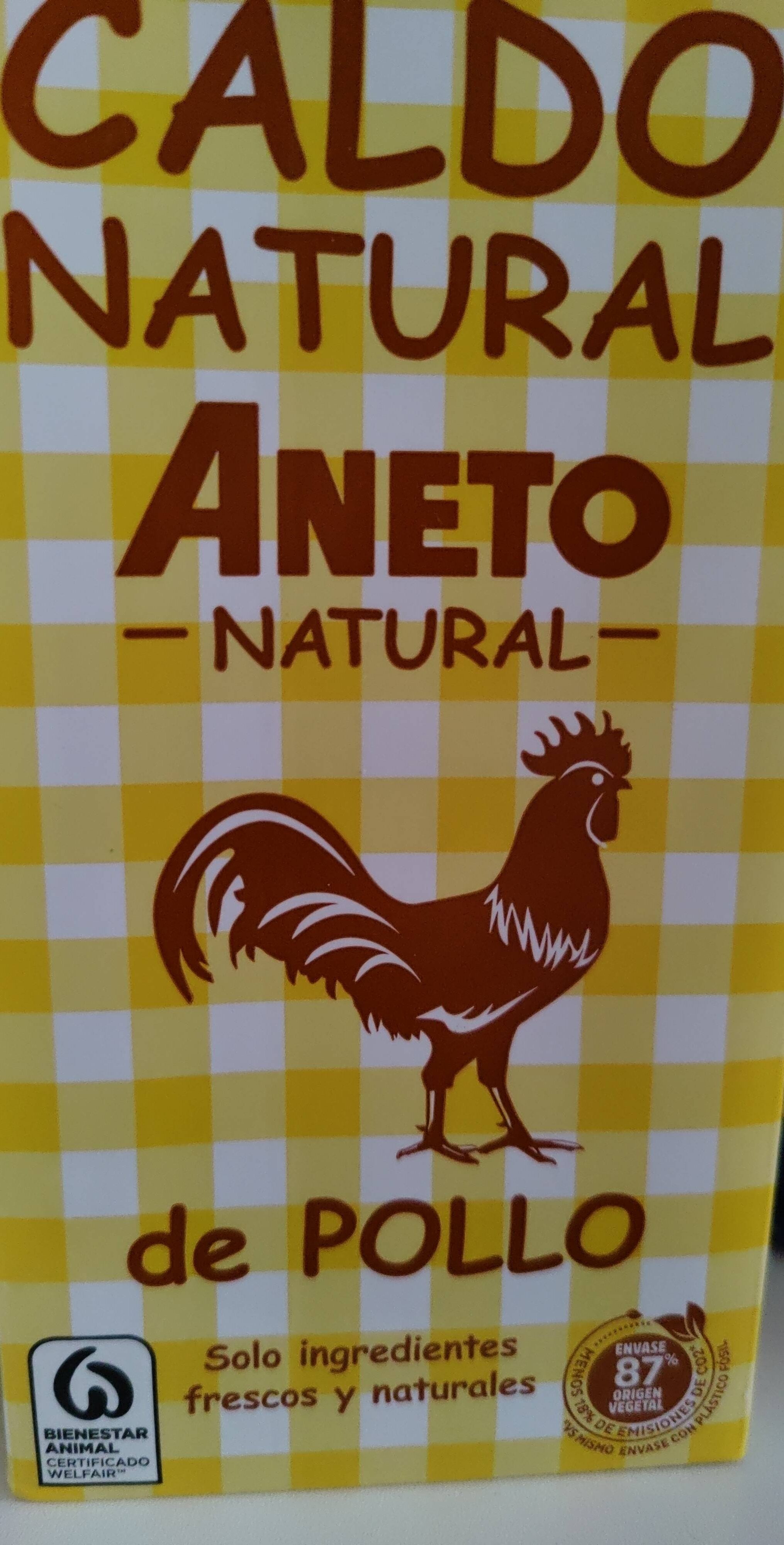

Chicken Broth
Analysis updated May 2026 · How Scout scores
At a glance
Summary
This chicken broth contains beneficial chicken stock but is moderately processed with added sugar and natural flavors, which are less desirable due to their refined nature and lack of transparency. The presence of these ingredients, along with the processing level, limits its healthiness despite the broth's low calorie and fat content.
Key ingredients 8
Onion PowderGood
Onion powder adds natural flavor and nutrients, supporting overall taste and aroma.
See more about Onion Powder →Carrot Juice ConcentrateGood
Carrot juice concentrate adds natural sweetness and nutrients, enriching the broth's flavor.
See more about Carrot Juice Concentrate →Chicken StockNeutral
Chicken stock provides a savory base and natural flavor without adding harmful substances.
SaltNeutral
Salt enhances flavor but should be consumed in moderation; it is a common ingredient in broths.
See more about Salt →Chicken FatNeutral
Chicken fat adds richness and flavor to the broth without inherently being harmful.
See more about Chicken Fat →SugarBad
Sugar is added for flavor but can contribute to excess calorie intake and should be limited.
See more about Sugar →Natural FlavorsBad
Umbrella term that can hide dozens of undisclosed synthetic constituents.
See more about Natural Flavors →Yeast ExtractBad
Concentrated glutamate source — MSG-adjacent flavor enhancer.
See more about Yeast Extract →Processing
Processed Foods
Get the full breakdown in the Scout appTake Scout shopping
Scan any product to see lab results, healthy alternatives, and your personalized analysis.
Download on theApp Store GET IT ONGoogle PlayAmazon pricing & content
Amazon price as of . Product prices and availability are accurate as of the date/time indicated and are subject to change. Any price and availability information displayed on Amazon.com at the time of purchase will apply to the purchase of this product.
CERTAIN CONTENT THAT APPEARS ON THIS SITE COMES FROM AMAZON. THIS CONTENT IS PROVIDED “AS IS” AND IS SUBJECT TO CHANGE OR REMOVAL AT ANY TIME.