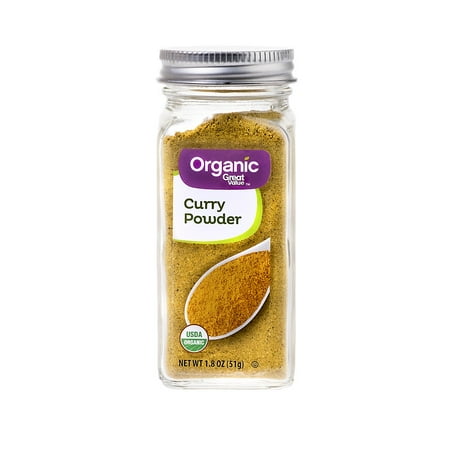
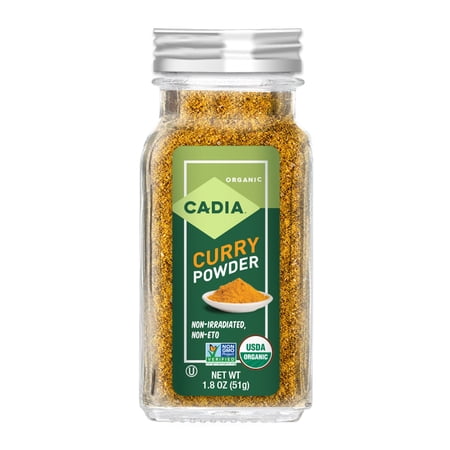
Curry Powder

At a glance
Summary
Curry powder is a whole-food spice blend made entirely of dried, ground herbs and spices with no additives, fillers, or industrial processing. Ingredients like turmeric and ginger offer well-documented anti-inflammatory and antioxidant benefits, making this a minimally processed, nutrient-dense seasoning. This is an excellent, clean-label product with no red flags of any kind.
Key ingredients 12
GingerVery Good
Ginger root is a whole-food spice with well-documented anti-nausea and anti-inflammatory properties due to compounds like gingerol. It is typically dried and ground with minimal processing, preserving its bioactive compounds. Long used in traditional medicine, it also supports digestive health and may reduce muscle soreness.
Risks
Very high doses may cause mild heartburn or interact with anticoagulant medications.
Benefits
Gingerol compounds provide anti-inflammatory and anti-nausea effects, supporting digestive and immune health.
CorianderGood
Coriander is a dried whole seed spice rich in antioxidants and essential oils like linalool. It undergoes minimal processing, typically just drying and grinding, preserving its natural flavonoid and phenolic compound content. Traditional medicine and modern research both support its digestive and anti-inflammatory properties.
Benefits
Contains antioxidants and compounds that may support digestion and have mild anti-inflammatory effects.
TurmericGood
Turmeric is a whole-root spice containing curcumin, a well-studied compound with strong anti-inflammatory and antioxidant properties. It is minimally processed, usually dried and ground from the fresh rhizome, retaining its bioactive constituents. Extensive research supports its benefits for joint health, cellular protection, and overall inflammation reduction.
Risks
Very high doses may cause gastrointestinal upset or interact with blood-thinning medications in rare cases.
Benefits
Curcumin provides potent antioxidant and anti-inflammatory effects that may support joint, liver, and cardiovascular health.
CuminGood
Cumin seed is a minimally processed whole spice known for its iron content and digestive-supporting properties. It is simply dried and ground, with no additives or chemical processing involved. Studies suggest cumin may aid in blood sugar regulation and has mild antimicrobial properties.
Benefits
Good source of iron and may support digestion and blood sugar regulation.
Fennel SeedGood
Fennel seed is a whole, minimally processed spice containing essential oils like anethole that support digestion. It is simply dried, retaining its natural fiber and antioxidant content. Traditionally used to reduce bloating and gas, it contributes mild nutritional value to the overall spice blend.
Benefits
Supports digestive comfort and provides antioxidant compounds like anethole.
CinnamonGood
Cinnamon is a minimally processed bark spice with notable antioxidant content, including cinnamaldehyde. It is dried and ground without chemical additives, preserving its natural compounds. Research suggests it may help support healthy blood sugar levels when consumed regularly.
Risks
Cassia-type cinnamon contains coumarin, which in very high amounts may affect liver health; moderate culinary use poses minimal risk.
Benefits
Rich in antioxidants and may help support healthy blood sugar regulation.
FenugreekGood
Fenugreek seed is a whole-food spice containing soluble fiber and compounds that may support blood sugar and cholesterol management. It is minimally processed through drying and grinding, retaining its nutritional profile. Traditionally used in both culinary and medicinal contexts across South Asian and Middle Eastern cultures.
Risks
Very large amounts may cause mild gastrointestinal discomfort or a maple-like body odor in some individuals.
Benefits
Contains soluble fiber and compounds that may support healthy blood sugar and cholesterol levels.
NutmegGood
Nutmeg is a whole-seed spice used in small quantities within curry blends, contributing warm flavor and trace antioxidants. It is minimally processed through drying and grinding. In the small amounts typical of spice blends, it poses no health concerns and contributes to overall flavor complexity.
Risks
Large doses (several teaspoons) can be toxic due to myristicin content, but typical culinary amounts in spice blends are safe.
Benefits
Provides trace antioxidants and aromatic compounds that enhance flavor without processing additives.
CardamomGood
Cardamom is a whole-pod spice rich in essential oils and antioxidants, minimally processed through drying. It has a long history of use in traditional medicine for digestive support and breath freshening. Its inclusion adds nutritional and aromatic value without any processing additives.
Benefits
Contains antioxidant compounds and may support digestive health.
ClovesGood
Cloves are a whole, dried flower bud spice with one of the highest antioxidant concentrations among culinary spices, largely due to eugenol content. Processing is minimal, involving only drying. Eugenol has documented anti-inflammatory and antimicrobial properties supported by research.
Risks
Concentrated clove oil can be irritating in large amounts, but typical spice blend quantities pose no risk.
Benefits
High antioxidant content from eugenol may provide anti-inflammatory and antimicrobial benefits.
Black PepperGood
Black pepper is a minimally processed dried berry spice containing piperine, which has antioxidant properties and may enhance the bioavailability of other nutrients like curcumin. It undergoes simple drying and grinding with no chemical additives. Its inclusion in curry powder may improve the absorption of turmeric's curcumin.
Benefits
Piperine content may enhance nutrient absorption, particularly curcumin from turmeric, and provides mild antioxidant effects.
Cayenne PepperGood
Cayenne pepper is a whole dried chili spice containing capsaicin, a compound associated with metabolism-boosting and anti-inflammatory effects. It is minimally processed through drying and grinding, retaining its natural capsaicinoid content. Research suggests capsaicin may support circulation and modest metabolic effects.
Risks
May cause gastrointestinal irritation in sensitive individuals or those with conditions like acid reflux when consumed in large amounts.
Benefits
Capsaicin content may support metabolism and has demonstrated anti-inflammatory and circulatory benefits.
Processing
Unprocessed or Minimally Processed Foods
Get the full breakdown in the Scout appTake Scout shopping
Scan any product to see lab results, healthy alternatives, and your personalized analysis.
Are you H-E-B? Fix an error Get the badge Get tested