


At a glance
Summary
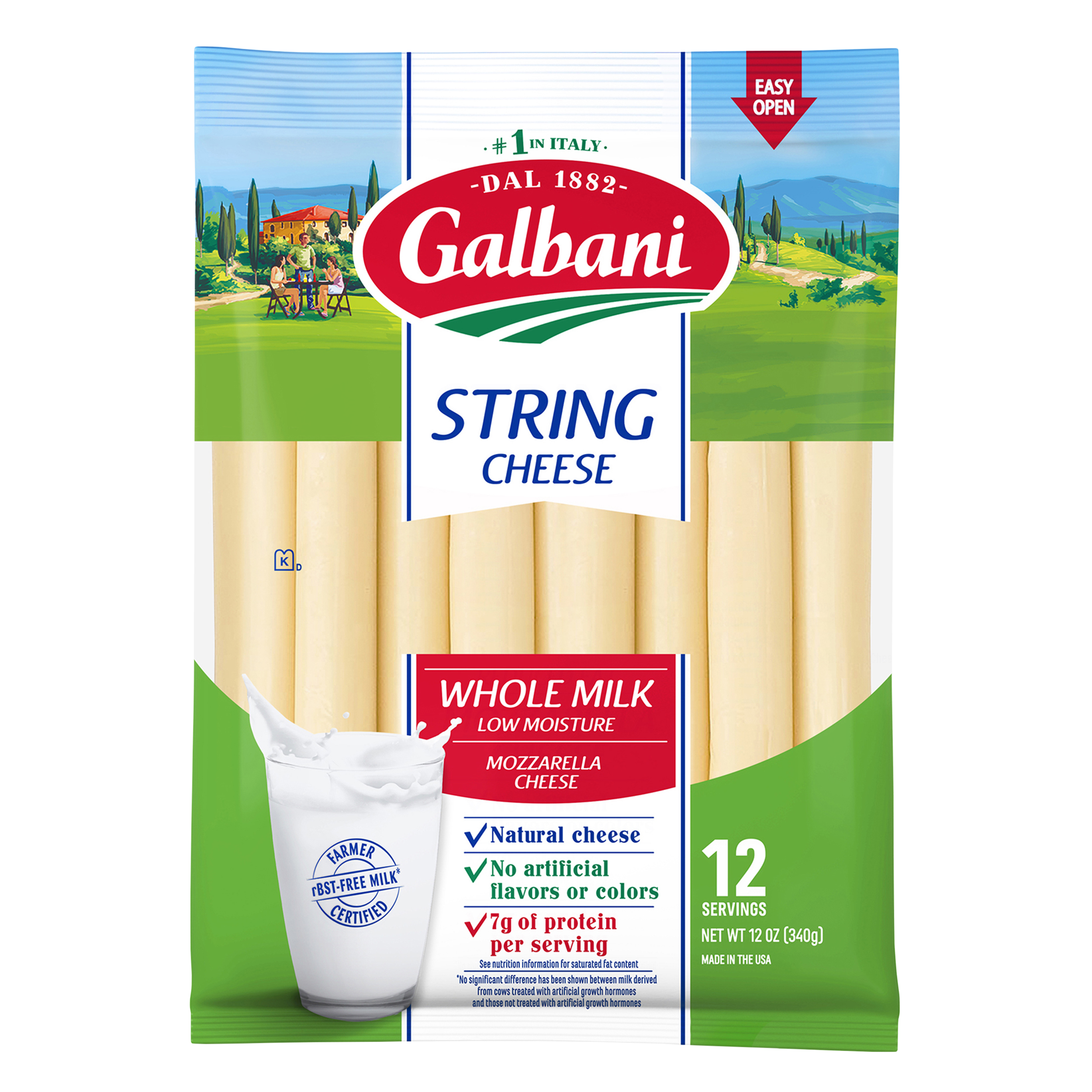
This string cheese is made from cultured pasteurized reduced fat milk, salt, enzymes, and vitamin A palmitate, which are relatively clean ingredients for a processed cheese product. The absence of harmful additives such as artificial colors, flavors, or preservatives contributes positively to its score. However, as a processed food, it is subject to a processing level cap, which limits its maximum potential score.
Key ingredients 4
Cultured pasteurized reduced fat milkNeutral
Cultured pasteurized reduced fat milk is a primary ingredient in cheese, providing protein and calcium. The pasteurization process ensures safety by eliminating harmful bacteria. However, the reduction in fat may affect the texture and flavor compared to full-fat versions.
Benefits
Provides essential nutrients such as protein and calcium, which are important for bone health.
SaltNeutral
Salt is used in cheese for flavor enhancement and preservation. It is a common ingredient in processed foods and helps in controlling microbial growth. However, excessive consumption of salt can lead to health issues such as hypertension.
Risks
High sodium intake can contribute to increased blood pressure and cardiovascular issues.
Benefits
Enhances flavor and acts as a preservative in cheese, helping to maintain its quality and safety.
EnzymesNeutral
Enzymes are used in cheese production to aid in the coagulation of milk. They are essential for the cheese-making process and help develop the texture and flavor of the cheese. The specific type of enzymes used can vary, but they are generally considered safe.
Benefits
Facilitates the cheese-making process by aiding in milk coagulation and flavor development.
Vitamin A palmitateNeutral
Vitamin A palmitate is added to fortify the cheese with vitamin A, an essential nutrient for vision and immune function. It is a synthetic form of vitamin A commonly used in food fortification. While beneficial, excessive intake of vitamin A can lead to toxicity.
Risks
Excessive consumption of vitamin A can lead to toxicity, but this is unlikely from typical dietary sources.
Benefits
Provides vitamin A, which is important for maintaining healthy vision and immune function.
Processing
Processed Foods
Get the full breakdown in the Scout appTake Scout shopping
Scan any product to see lab results, healthy alternatives, and your personalized analysis.
Download on theApp Store GET IT ONGoogle Play