


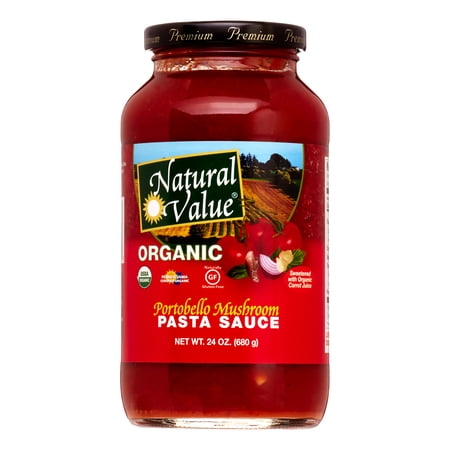
At a glance
Summary
This pasta sauce contains high-quality ingredients like tomatoes, olive oil, and fresh herbs, which contribute positively to its nutritional profile. However, the presence of 'natural flavoring' introduces some uncertainty regarding ingredient transparency. Despite its beneficial components, the sauce is considered ultra-processed, which limits its potential health score.
Key ingredients 11
Imported olive oilVery Good
Imported olive oil is a high-quality source of monounsaturated fats, known for their heart health benefits. It is often cold-pressed, preserving its beneficial compounds. This oil enhances the sauce's flavor and nutritional profile.
Benefits
Rich in monounsaturated fats that support heart health and provide anti-inflammatory properties. Contains antioxidants like vitamin E.
Palm tomatoesGood
Palm tomatoes are a rich source of vitamins and antioxidants, particularly vitamin C and lycopene. They are minimally processed, retaining most of their natural nutrients. Their inclusion in the sauce adds natural sweetness and flavor.
Benefits
Rich in antioxidants like lycopene, which may reduce the risk of chronic diseases. Provides essential vitamins such as vitamin C.
Diced tomatoes in juiceGood
Diced tomatoes in juice provide a good source of vitamins and minerals, including vitamin C and potassium. The juice helps retain the natural flavors and nutrients of the tomatoes. This ingredient contributes to the sauce's texture and nutritional profile.
Benefits
Provides essential nutrients and enhances the sauce's flavor and texture. Contains antioxidants that support overall health.
Crushed tomatoesGood
Crushed tomatoes are a concentrated source of nutrients, including vitamins A and C, and lycopene. They are processed to maintain their nutritional integrity. This ingredient adds thickness and richness to the sauce.
Benefits
Rich in lycopene, which may have protective effects against certain diseases. Enhances the sauce's nutritional value and flavor.
Fresh onionsGood
Fresh onions are a natural source of vitamins, minerals, and antioxidants. They are minimally processed, retaining their health benefits. Onions add flavor and nutritional value to the sauce.
Benefits
Contains antioxidants and compounds that may support immune health. Adds flavor and nutritional benefits to the sauce.
Roasted garlicGood
Roasted garlic provides a rich source of antioxidants and has potential anti-inflammatory properties. The roasting process enhances its flavor while maintaining its health benefits. It contributes to the sauce's depth of flavor.
Benefits
May support heart health and immune function. Adds a rich, savory flavor to the sauce.
Sea saltGood
Sea salt is a natural source of sodium and trace minerals, offering a healthier alternative to refined salt. It is minimally processed, retaining its mineral content. This ingredient enhances the sauce's flavor.
Risks
Excessive consumption of sodium can lead to health issues such as hypertension.
Benefits
Provides essential minerals and enhances the flavor of the sauce.
BasilGood
Basil is an herb rich in vitamins and antioxidants, known for its anti-inflammatory properties. It is used fresh or dried, retaining its health benefits. Basil adds a distinct flavor and aroma to the sauce.
Benefits
Contains antioxidants and essential oils that may support health. Enhances the flavor and aroma of the sauce.
Black pepperGood
Black pepper is a spice known for its antioxidant and anti-inflammatory properties. It is minimally processed, retaining its health benefits. This spice enhances the flavor profile of the sauce.
Benefits
May aid digestion and enhance nutrient absorption. Adds a spicy, aromatic flavor to the sauce.
ParsleyGood
Parsley is an herb rich in vitamins A, C, and K, and antioxidants. It is used fresh or dried, maintaining its nutritional benefits. Parsley adds a fresh flavor and nutritional boost to the sauce.
Benefits
Rich in vitamins and antioxidants that support overall health. Enhances the flavor and nutritional value of the sauce.
Natural flavoringBad
Natural flavoring is a vague term that can include a variety of substances, some of which may be highly processed. It lacks transparency, making it difficult to assess its health impact. This ingredient may not provide any nutritional benefits.
Risks
Potential for containing highly processed substances with unknown health effects.
Processing
Ultra-Processed Foods
Get the full breakdown in the Scout appTake Scout shopping
Scan any product to see lab results, healthy alternatives, and your personalized analysis.
Download on theApp Store GET IT ONGoogle Play