

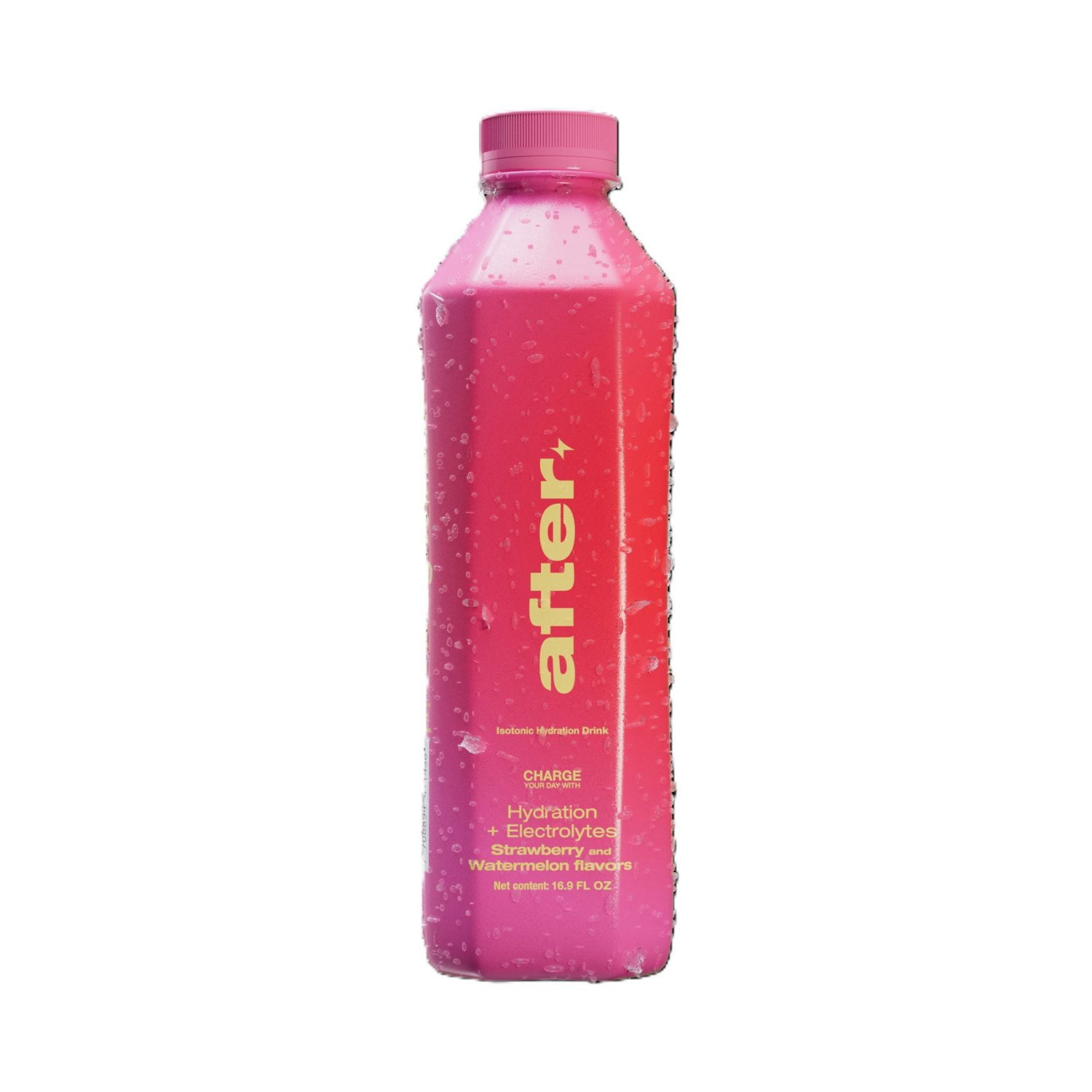

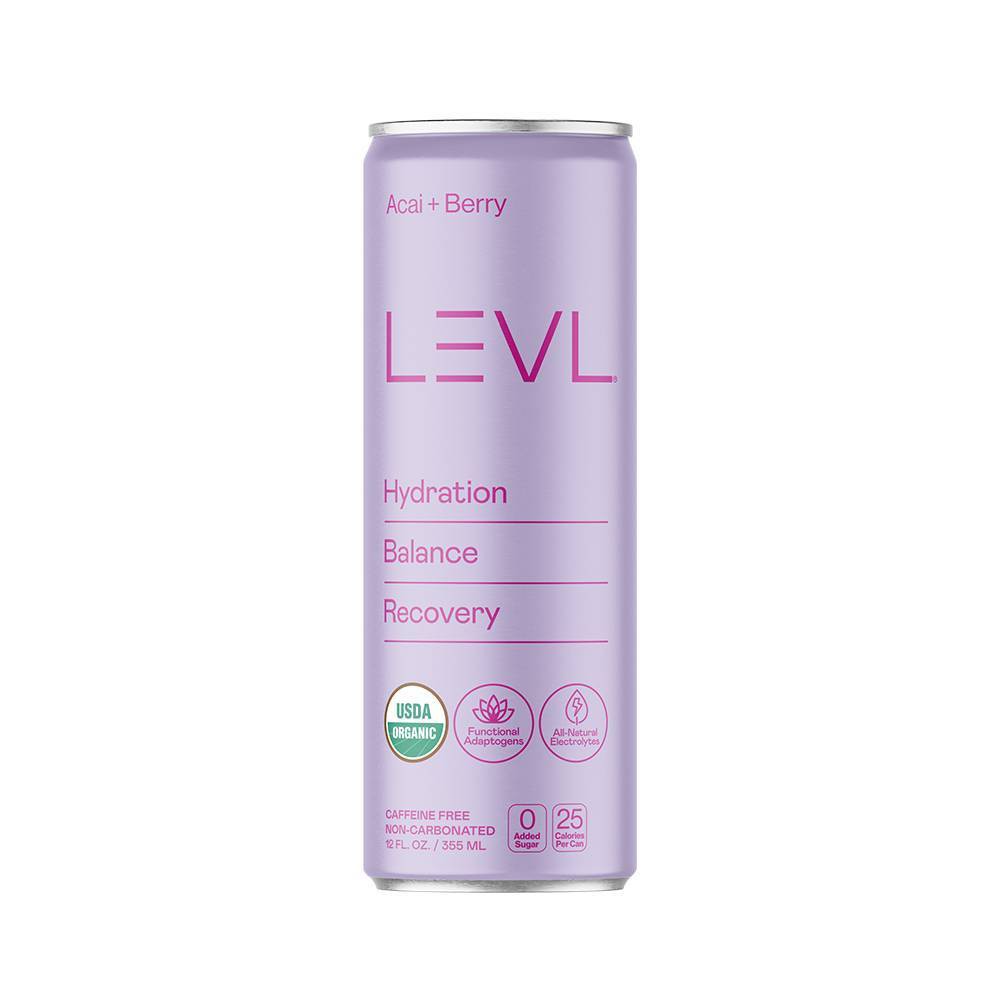

Kikkoman Pearl Organic Smart Original Soymilk 8 fl oz
Analysis updated September 2026 · How Scout scores
At a glance
Summary
This soymilk contains beneficial ingredients like whole organic soybeans and essential vitamins, which contribute positively to its nutritional profile. However, the presence of added organic cane sugar and carrageenan raises concerns, as excessive sugar intake can lead to health issues, and carrageenan is controversial due to potential digestive effects. The product is moderately processed, which limits its overall score despite the organic certification.
Key ingredients 12
Whole Organic SoybeansGood
Whole organic soybeans are a good source of plant-based protein and essential nutrients. Being organic, they are free from synthetic pesticides and GMOs, enhancing their nutritional profile. They provide isoflavones, which may support heart health.
Risks
Some individuals may have soy allergies, which can cause adverse reactions.
Benefits
Rich in protein, fiber, and isoflavones, which may support cardiovascular health and provide antioxidant benefits.
Sea SaltGood
Beneficial ingredient — whole-food or functional value in this product class.
Risks
Excessive sodium intake can lead to hypertension and cardiovascular issues.
Benefits
Provides essential sodium and trace minerals, enhancing flavor.
Vitamin D2Good
Vitamin D2 is used to fortify foods and supports bone health by aiding calcium absorption. It is a plant-based form of vitamin D, suitable for vegetarians and vegans. It helps maintain healthy bones and immune function.
Risks
Excessive intake can lead to hypercalcemia, but this is unlikely with typical consumption.
Benefits
Supports bone health and immune function by aiding calcium absorption.
Riboflavin (Vitamin B2)Good
Riboflavin, or vitamin B2, is essential for energy production and cellular function. It is water-soluble and helps convert food into energy. It also supports skin health and red blood cell production.
Benefits
Supports energy metabolism and cellular function, contributing to overall health.
Vitamin B12Good
Vitamin B12 is crucial for nerve function and the production of DNA and red blood cells. It is especially important for vegetarians and vegans, as it is primarily found in animal products. Fortification helps prevent deficiency in plant-based diets.
Benefits
Essential for nerve function, DNA synthesis, and red blood cell production.
Filtered WaterNeutral
Filtered water is a neutral ingredient primarily used as a solvent and base for the beverage. It undergoes filtration to remove impurities, ensuring safety and quality. It does not contribute any significant nutritional value.
See more about Filtered Water →Tricalcium PhosphateNeutral
Tricalcium phosphate is used as a calcium fortifier in foods and beverages. It helps in maintaining bone health by providing calcium, an essential mineral. It is generally recognized as safe when used in appropriate amounts.
Risks
Excessive intake may lead to hypercalcemia, but this is unlikely at typical consumption levels.
Benefits
Contributes to calcium intake, supporting bone and dental health.
Potassium PhosphateNeutral
Potassium phosphate is used as an acidity regulator and mineral fortifier. It helps maintain electrolyte balance and supports metabolic functions. It is generally safe in moderate amounts.
Risks
High intake may affect kidney function, especially in individuals with kidney disease.
Benefits
Supports electrolyte balance and provides potassium, an essential mineral.
Organic Natural Vanilla FlavorNeutral
Organic natural vanilla flavor is used to enhance the taste of the product. Being organic, it is free from synthetic additives and provides a natural vanilla aroma. It is generally considered safe and adds flavor without significant nutritional impact.
Benefits
Enhances flavor naturally without synthetic additives.
Vitamin A PalmitateNeutral
Standard formulation ingredient — neither beneficial nor harmful at typical use.
Risks
Excessive intake can lead to hypervitaminosis A, but this is rare with typical consumption.
Benefits
Essential for vision, immune function, and skin health.
Organic Cane SugarBad
Organic cane sugar is a sweetener that contributes to the product's sugar content. Despite being organic, excessive consumption of added sugars can lead to health issues such as obesity and diabetes. It is minimally processed compared to refined sugars but still poses health concerns when consumed in large amounts.
Risks
High intake of added sugars can increase the risk of obesity, type 2 diabetes, and dental cavities.
Benefits
Provides quick energy but lacks significant nutritional benefits.
CarrageenanBad
Carrageenan is used as a thickener and stabilizer in food products. Some studies suggest it may cause digestive issues or inflammation in sensitive individuals. It is derived from red seaweed and is controversial due to potential health concerns.
Risks
May cause gastrointestinal discomfort or inflammation in some individuals.
Benefits
Provides texture and stability to food products, but lacks nutritional benefits.
Processing
Processed Foods
Get the full breakdown in the Scout appTake Scout shopping
Scan any product to see lab results, healthy alternatives, and your personalized analysis.
Download on theApp Store GET IT ONGoogle Play