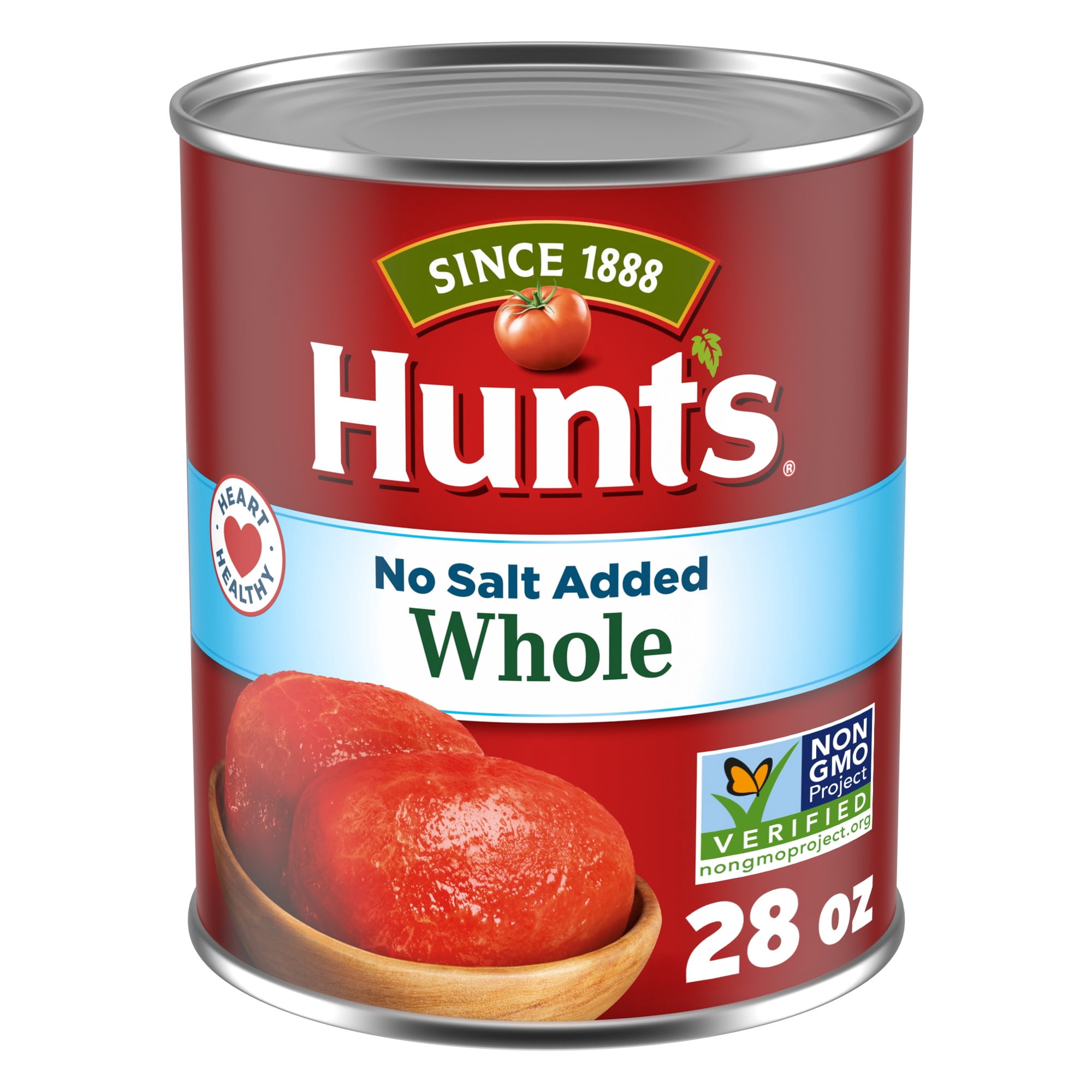
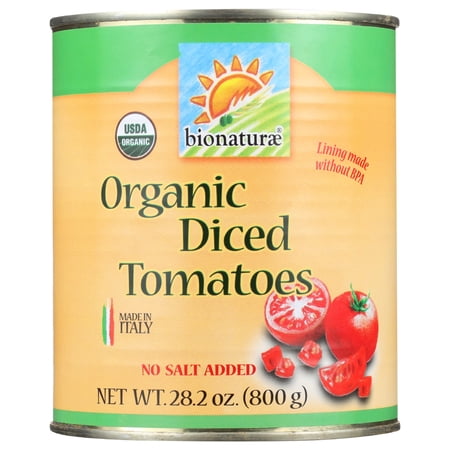
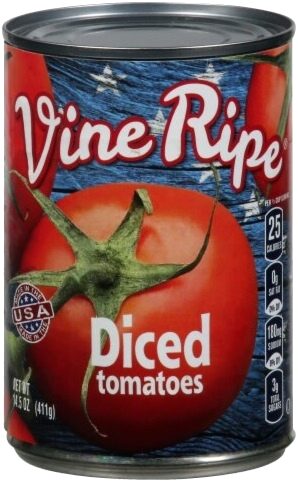
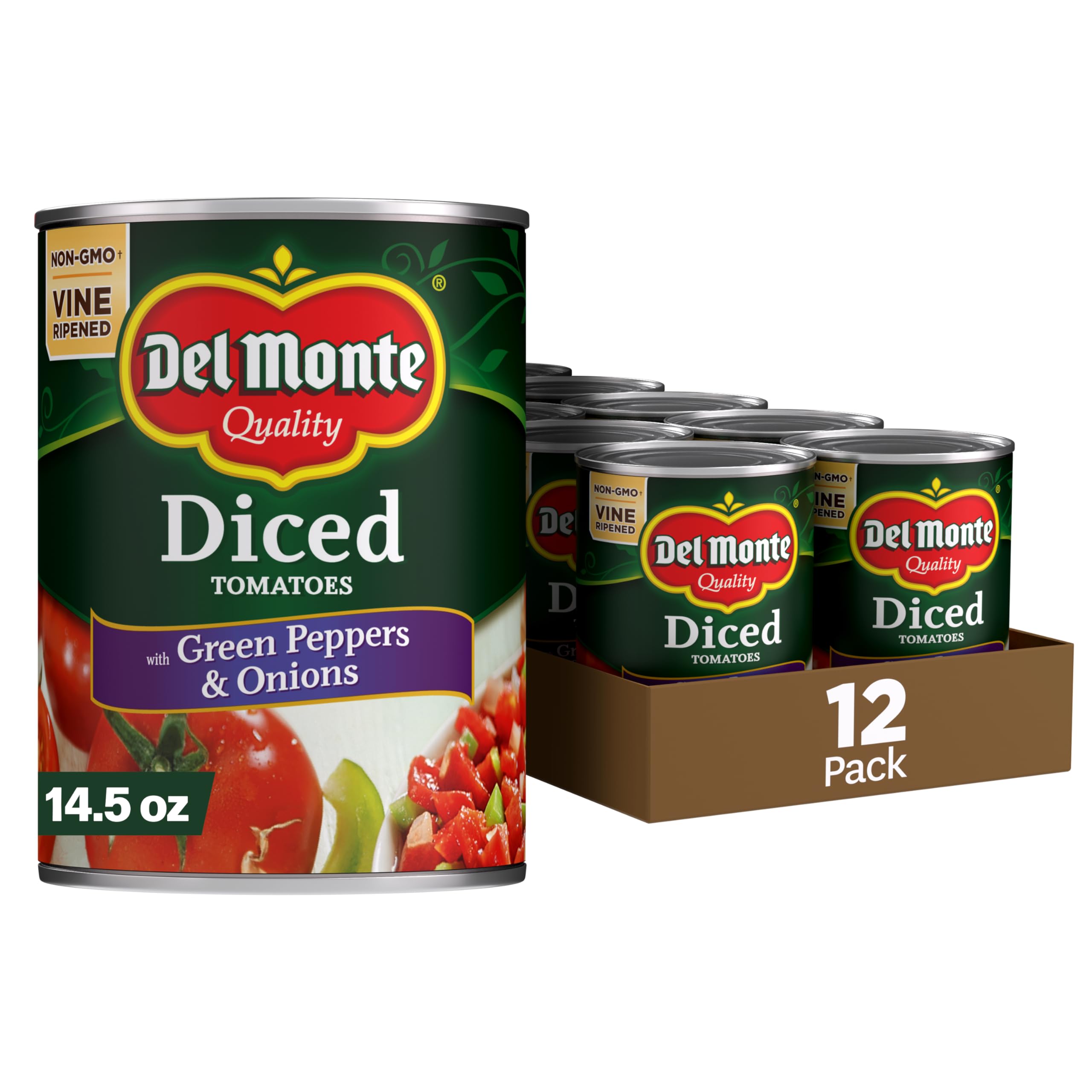
DICED TOMATOES
At a glance
Summary
Diced tomatoes with tomato juice, salt, calcium chloride, and citric acid represent a minimally processed whole food with no seed oils, artificial additives, or added sugars. Canning preserves the nutrient profile well, and the single minor additive (citric acid) is a safe, naturally occurring preservative. This is an excellent, clean-label product close to its whole-food form.
Key ingredients 5
TomatoesVery Good
Tomatoes are a whole, minimally processed vegetable rich in vitamin C, potassium, and the antioxidant lycopene. Canning preserves most nutrients, and lycopene bioavailability actually increases with heat processing. This is the primary ingredient and forms the nutritional backbone of the product.
Benefits
Rich in lycopene, vitamin C, and potassium, which support heart health and provide antioxidant protection against oxidative stress.
Tomato JuiceGood
Tomato juice is a natural byproduct of tomato processing used here to maintain texture and moisture in the canned product. It carries similar nutrients to whole tomatoes, including vitamin C and lycopene, without added sugars or artificial ingredients. Its inclusion reflects a simple, minimally processed formulation.
Benefits
Contributes additional vitamin C and lycopene while helping maintain the natural consistency of the diced tomatoes.
SaltNeutral
Plain salt is used here in a small quantity, less than 2% of the total formulation, primarily for flavor enhancement and preservation. It is not specified as unrefined sea salt, so it does not carry the trace-mineral benefits associated with minimally processed salts. The overall sodium contribution per serving is modest at 0.149g per 100g.
Risks
Excessive sodium intake over time can contribute to elevated blood pressure in sensitive individuals, though the amount here is low.
Benefits
Provides basic seasoning and acts as a mild preservative to extend shelf life.
Calcium ChlorideNeutral
Calcium chloride is a mineral salt commonly used in canned tomato products as a firming agent to help the diced tomatoes retain their shape and texture during processing. It is generally recognized as safe and is used in very small amounts. It does not contribute meaningfully to nutrition but serves a functional, non-harmful purpose.
Risks
Very high intakes could theoretically cause digestive discomfort, but typical food-grade usage levels pose no known risk.
Benefits
Helps maintain the firm, diced texture of the tomatoes, improving product quality and consistency.
Citric AcidNeutral
Citric acid, labeled as E330, is a naturally occurring organic acid often derived from citrus fruits or fermentation of sugars by mold cultures, used here to adjust acidity and act as a preservative. It is widely regarded as safe and is common in canned produce to maintain proper pH for safety and flavor stability. This is a well-studied, low-risk additive used in minute quantities.
Benefits
Helps preserve freshness and maintain safe acidity levels, supporting shelf stability without need for artificial preservatives.
Processing
Processed Foods
Get the full breakdown in the Scout appTake Scout shopping
Scan any product to see lab results, healthy alternatives, and your personalized analysis.