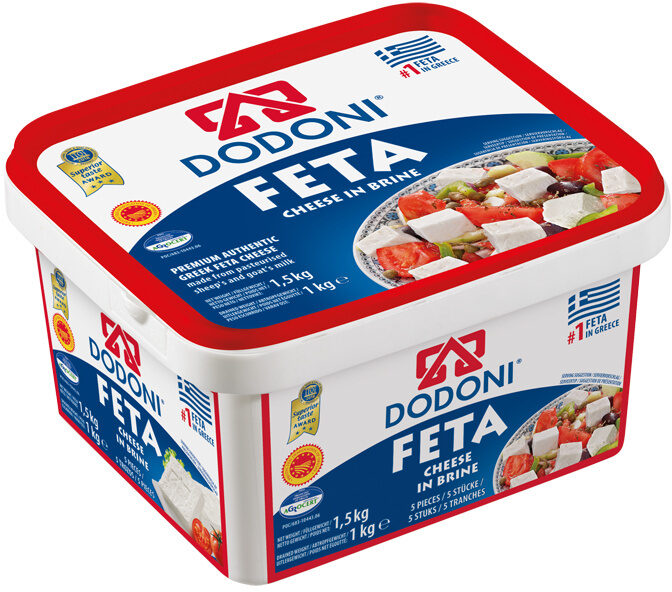
CRUMBLED FETA CHEESE

At a glance
Summary
This crumbled feta cheese contains beneficial ingredients like pasteurized milk and cheese cultures, which contribute to its nutritional profile. However, the presence of additives such as powdered cellulose and natamycin, used to prevent caking and mold growth, respectively, indicates a higher level of processing. These additives, while safe, do not enhance the nutritional value and slightly detract from the overall quality of the product. Its plastic packaging can shed microplastics into the food and lowers its score.
Key ingredients 4
Feta cheeseGood
Feta cheese is a traditional dairy product known for its rich flavor and nutritional profile. It is made from pasteurized milk and contains beneficial probiotics from cheese cultures. The presence of enzymes aids in digestion and nutrient absorption.
Risks
High sodium content may pose a risk for individuals with hypertension or salt sensitivity.
Benefits
Provides a good source of calcium and protein, supporting bone health and muscle maintenance.
Powdered celluloseNeutral
Powdered cellulose is used as an anti-caking agent to prevent clumping in cheese products. It is derived from plant fibers and is generally considered safe for consumption. It does not contribute significant nutritional value.
See more about Powdered cellulose →MilkNeutral
Milk is a primary ingredient in cheese production, providing essential nutrients like calcium and protein. In this context, it is pasteurized to ensure safety and quality. It serves as the base for cheese cultures to develop flavor and texture.
Risks
Lactose intolerance may cause digestive issues for some individuals.
Benefits
Rich in calcium and protein, supporting bone health and muscle function.
NatamycinBad
Natamycin is a preservative used to prevent mold growth in cheese products. While effective, it is an additive that some consumers prefer to avoid. Its use is regulated to ensure safety, but it does not contribute to the nutritional value of the product.
Risks
Potential for allergic reactions in sensitive individuals, though generally considered safe in regulated amounts.
Benefits
Helps extend the shelf life of cheese by preventing mold growth.
Processing
Processed Foods
Get the full breakdown in the Scout appTake Scout shopping
Scan any product to see lab results, healthy alternatives, and your personalized analysis.
Are you Frigo? Fix an error Get the badge Get tested
Amazon pricing & content
Amazon price as of . Product prices and availability are accurate as of the date/time indicated and are subject to change. Any price and availability information displayed on Amazon.com at the time of purchase will apply to the purchase of this product.
CERTAIN CONTENT THAT APPEARS ON THIS SITE COMES FROM AMAZON. THIS CONTENT IS PROVIDED “AS IS” AND IS SUBJECT TO CHANGE OR REMOVAL AT ANY TIME.