
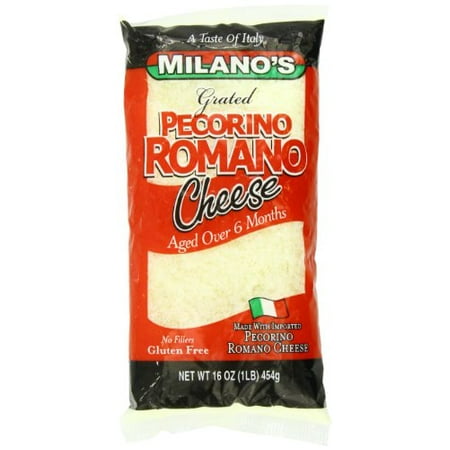
MILANO'S, ROMANO CHEESE
At a glance
Summary
This cheese product is made from pasteurized cow's and sheep's milk, which are beneficial for providing protein and calcium. However, it includes corn starch and cellulose as anti-caking agents, which are processed ingredients that detract from its overall nutritional value. The presence of these additives and its processed nature limit its score, despite the use of quality milk sources. Its plastic packaging can shed microplastics into the food and lowers its score.
Key ingredients 7
Pasteurized cow's milkGood
A primary ingredient in cheese, providing a rich source of protein and calcium. Pasteurization ensures safety by eliminating harmful bacteria. It supports bone health and muscle function.
Risks
Potential lactose intolerance issues for sensitive individuals.
Benefits
Rich in protein and calcium, essential for bone health and muscle maintenance.
Pasteurized sheep's milkGood
Sheep's milk is nutrient-dense, offering higher levels of protein and calcium compared to cow's milk. Pasteurization ensures safety by eliminating harmful bacteria. It is often easier to digest for those with cow's milk sensitivities.
Risks
Potential lactose intolerance issues for sensitive individuals.
Benefits
Higher in protein and calcium, supporting bone health and providing essential nutrients.
CultureNeutral
Cultures are used in cheese-making to develop flavor and texture. They are essential for fermentation and the development of cheese characteristics. No significant health risks or benefits identified.
Benefits
Essential for developing the flavor and texture of cheese.
SaltNeutral
Salt is used in cheese for flavor and as a preservative. It helps control moisture and bacterial growth. Excessive consumption can lead to health issues like hypertension.
Risks
High sodium intake can contribute to hypertension and cardiovascular issues.
Benefits
Acts as a preservative and enhances flavor in cheese.
EnzymesNeutral
Enzymes are crucial in cheese-making for coagulating milk and developing texture. They are naturally occurring and essential for cheese production. No significant health risks or benefits identified.
Benefits
Essential for the cheese-making process, aiding in milk coagulation.
Corn starchNeutral
Standard formulation ingredient — neither beneficial nor harmful at typical use.
Risks
May contribute to blood sugar spikes and metabolic issues when consumed in excess.
Benefits
Helps prevent caking and clumping in cheese products.
CelluloseNeutral
Cellulose is used as an anti-caking agent and is derived from plant fibers. It is generally recognized as safe and adds no significant nutritional value. It is indigestible and passes through the digestive system without being absorbed.
Benefits
Prevents caking and clumping in cheese products.
Processing
Processed Foods
Get the full breakdown in the Scout appTake Scout shopping
Scan any product to see lab results, healthy alternatives, and your personalized analysis.


