
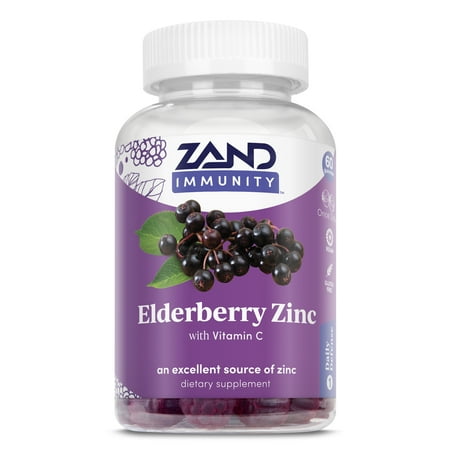

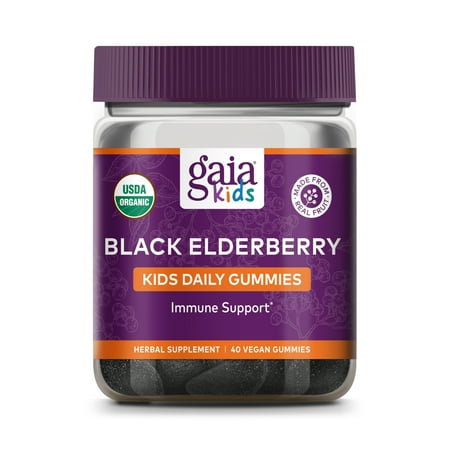

Zand Elderberry Zinc Gummies - 60ct
Analysis updated June 2026 · How Scout scores
At a glance
Summary
This supplement contains European elderberry, which is beneficial for its immune-boosting properties. However, the presence of sunflower oil, a seed oil high in omega-6 fatty acids, and the use of natural mixed berry flavor, which lacks transparency, are concerns. The product also includes several additives, contributing to its high processing level.
Key ingredients 12
European ElderberryVery Good
European elderberry is known for its immune-boosting properties, making it a beneficial ingredient in supplements. It is rich in antioxidants and vitamins that support overall health. Elderberry is often used to help reduce the severity and duration of cold and flu symptoms.
Benefits
Rich in antioxidants and vitamins, it supports immune health and may reduce cold and flu symptoms.
Coconut OilGood
Beneficial ingredient — whole-food or functional value in this product class.
Risks
High saturated fat content may contribute to increased cholesterol levels if consumed in excess.
Benefits
Contains MCTs, which may support energy metabolism and weight management.
Cane SyrupNeutral
Cane syrup is a natural sweetener made from sugarcane juice, used to add sweetness to products. It is less refined than white sugar but still contributes to overall sugar consumption. While it is a natural product, it offers little nutritional value beyond calories.
Risks
High sugar content can contribute to health issues like obesity and diabetes if consumed in excess.
Benefits
Provides a natural sweetness and is less processed than some other sweeteners.
Purified WaterNeutral
Purified water is used as a solvent and carrier in many food products, ensuring consistency and texture. It is free from impurities and contaminants, making it safe for consumption. It does not contribute any nutritional value but is essential for product formulation.
Benefits
Ensures product consistency and safety by being free from impurities.
PectinNeutral
Pectin is a natural gelling agent derived from fruits, commonly used to provide texture in gummies. It is a plant-based alternative to gelatin, suitable for vegetarians and vegans. While it aids in texture, it does not offer significant nutritional benefits.
Benefits
Provides a plant-based gelling agent suitable for vegetarians and vegans.
Citric AcidNeutral
Citric acid is a natural preservative and flavor enhancer found in citrus fruits. It is commonly used to add tartness and preserve freshness in food products. While generally recognized as safe, it does not provide nutritional benefits.
Risks
Excessive consumption may cause dental erosion or gastrointestinal discomfort.
Benefits
Acts as a natural preservative and flavor enhancer, extending product shelf life.
Sodium CitrateNeutral
Sodium citrate is a salt derived from citric acid, used as an acidity regulator and preservative. It helps maintain the stability and taste of food products. While it is safe for consumption, it does not offer nutritional benefits.
Benefits
Helps regulate acidity and maintain product stability.
Carnauba WaxNeutral
Carnauba wax is a natural wax derived from the leaves of the carnauba palm, used to provide a glossy finish to food products. It is considered safe for consumption and is commonly used in confectionery. It does not contribute any nutritional value.
Benefits
Provides a natural glossy finish to products without adding calories or nutrients.
Natural ColorsNeutral
Natural colors are derived from plant or mineral sources to enhance the visual appeal of food products. They are generally considered safer than artificial colors but do not provide nutritional benefits. The specific sources of these colors can vary, affecting their safety and allergen potential.
Risks
Potential allergen risk depending on the source of the natural colors.
Benefits
Enhances visual appeal without the risks associated with artificial colors.
Tapioca SyrupBad
Processed additive flagged under Scout's ingredient doctrine.
Risks
Excessive consumption may contribute to increased sugar intake and related health issues.
Benefits
Provides a natural source of sweetness with fewer additives compared to some other sweeteners.
Natural Mixed Berry FlavorBad
Natural mixed berry flavor is used to enhance the taste of products but can be a catch-all term for various flavoring agents. The lack of transparency in its composition can be concerning for those with allergies or sensitivities. It does not provide any nutritional benefits.
Risks
Potential allergen risk due to unspecified components and lack of transparency.
Benefits
Enhances flavor without adding calories, but lacks nutritional value.
Sunflower OilVery Bad
Sunflower oil is a seed oil high in omega-6 fatty acids, which can promote inflammation when consumed in excess. It is often highly processed, which can reduce its nutritional quality. Due to its high omega-6 content, it is considered a less healthy oil option.
Risks
High omega-6 content may promote inflammation and contribute to chronic diseases.
Processing
Ultra-Processed Foods
Get the full breakdown in the Scout appTake Scout shopping
Scan any product to see lab results, healthy alternatives, and your personalized analysis.
Download on theApp Store GET IT ONGoogle PlayAmazon pricing & content
Amazon price as of . Product prices and availability are accurate as of the date/time indicated and are subject to change. Any price and availability information displayed on Amazon.com at the time of purchase will apply to the purchase of this product.
CERTAIN CONTENT THAT APPEARS ON THIS SITE COMES FROM AMAZON. THIS CONTENT IS PROVIDED “AS IS” AND IS SUBJECT TO CHANGE OR REMOVAL AT ANY TIME.