


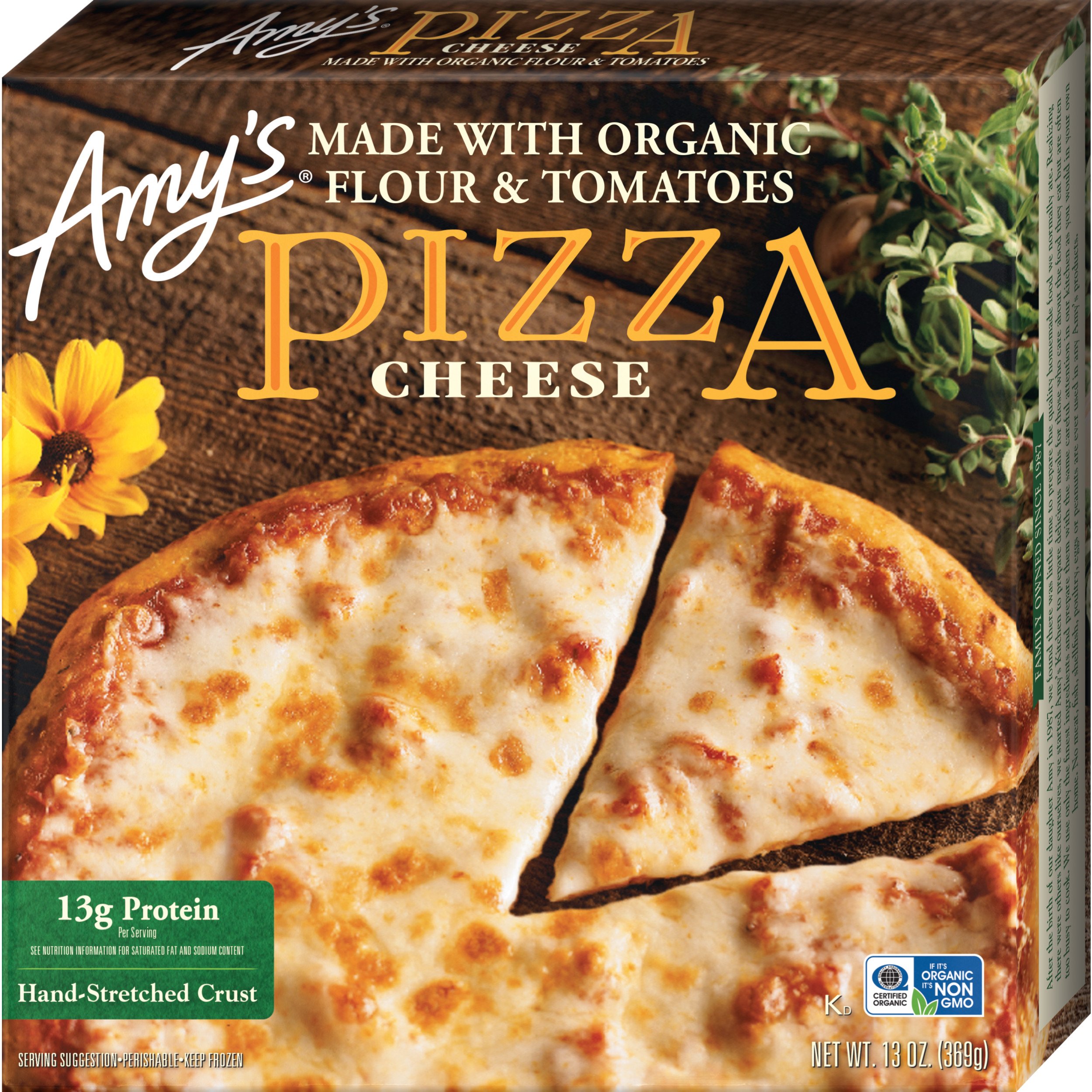


At a glance
Summary
This cheese pizza features several organic ingredients, including tomato passata, extra virgin olive oil, and various cheeses, which contribute beneficial nutrients and flavors. However, the presence of sunflower seed oil, even though organic, is a concern due to its high omega-6 fatty acid content, which can promote inflammation. The product is moderately processed, which limits its score despite the overall clean ingredient list.
Key ingredients 14
Organic Extra Virgin Olive OilVery Good
High-quality monounsaturated fat with anti-inflammatory properties. Contains antioxidants that support heart health. Cold-pressed extraction preserves beneficial compounds.
Benefits
Rich in monounsaturated fats that support heart health and provide anti-inflammatory properties. Contains antioxidants like vitamin E and polyphenols that may reduce oxidative stress.
Organic Tomato PassataGood
Organic tomato passata is a pureed form of tomatoes, providing vitamins A and C, and antioxidants like lycopene. Being organic, it is free from synthetic pesticides and fertilizers. It enhances flavor and nutritional value in dishes.
Benefits
Rich in vitamins and antioxidants, supporting immune function and reducing oxidative stress.
Organic OreganoGood
Organic oregano is a herb rich in antioxidants and has antimicrobial properties. It enhances flavor and provides health benefits due to its phytochemical content. Being organic, it is free from synthetic pesticides.
Benefits
Contains antioxidants and compounds that may support immune health and reduce inflammation.
Organic Low-Moisture Part-Skim Mozzarella CheeseGood
This cheese provides protein and calcium, essential for bone health. The low-moisture, part-skim variety reduces fat content while maintaining nutritional benefits. Organic certification ensures no synthetic additives or hormones.
Risks
May cause issues for those with lactose intolerance or dairy allergies.
Benefits
Good source of protein and calcium, supporting muscle and bone health.
Organic MilkGood
Organic milk is a source of high-quality protein, calcium, and vitamin D. It is produced without synthetic hormones or antibiotics. It supports bone health and muscle function.
Risks
May cause issues for those with lactose intolerance or dairy allergies.
Benefits
Rich in calcium and vitamin D, supporting bone health and providing essential nutrients.
Organic Provolone CheeseGood
Provolone cheese provides protein and calcium, essential for bone health. The organic variety ensures no synthetic additives or hormones. It adds flavor and nutritional value to dishes.
Risks
May cause issues for those with lactose intolerance or dairy allergies.
Benefits
Good source of protein and calcium, supporting muscle and bone health.
Organic Emmentaler CheeseGood
Emmentaler cheese is rich in protein and calcium, supporting bone and muscle health. The organic certification ensures it is free from synthetic additives. It provides a distinct flavor and nutritional benefits.
Risks
May cause issues for those with lactose intolerance or dairy allergies.
Benefits
Provides essential nutrients like protein and calcium, supporting overall health.
Organic Soft Wheat FlourNeutral
Organic soft wheat flour is a staple ingredient in many baked goods. It provides carbohydrates and some protein but lacks significant micronutrients. Being organic, it is free from synthetic pesticides and fertilizers.
Risks
May cause gluten-related issues for individuals with celiac disease or gluten sensitivity.
Benefits
Provides energy through carbohydrates and is a source of dietary fiber when whole grain.
WaterNeutral
Water is a fundamental ingredient used in food preparation. It acts as a solvent and is essential for hydration. It does not provide any calories or nutrients.
Benefits
Essential for hydration and necessary for various bodily functions.
SaltNeutral
Salt is used to enhance flavor and preserve food. It is a source of sodium, which is essential for nerve and muscle function. Excessive consumption can lead to high blood pressure.
Risks
Excessive intake can lead to hypertension and cardiovascular issues.
Benefits
Provides essential sodium for maintaining fluid balance and nerve function.
YeastNeutral
Yeast is a microorganism used in baking to leaven dough. It ferments sugars, producing carbon dioxide and alcohol, which helps dough rise. It is a natural ingredient with no significant health concerns.
Benefits
Contributes to the leavening of dough, improving texture and flavor.
Microbial RennetNeutral
Microbial rennet is used in cheese-making to coagulate milk. It is a vegetarian alternative to animal rennet and does not affect the nutritional profile of cheese. It is considered safe and effective for cheese production.
Benefits
Allows for the production of cheese suitable for vegetarians.
Lactic FermentsNeutral
Lactic ferments are used in cheese-making to develop flavor and texture. They are natural bacteria that ferment lactose into lactic acid. They contribute to the tangy flavor of cheese.
Benefits
Enhances flavor and texture in cheese, contributing to its unique taste.
Organic Sunflower Seed OilVery Bad
Sunflower seed oil is high in omega-6 fatty acids, which can promote inflammation if consumed in excess. It is extracted through industrial processes that may involve high heat and chemicals. Despite being organic, it still poses health concerns due to its fatty acid profile.
Risks
High omega-6 content may promote inflammation when consumed in excess.
Processing
Processed Foods
Get the full breakdown in the Scout appTake Scout shopping
Scan any product to see lab results, healthy alternatives, and your personalized analysis.
Download on theApp Store GET IT ONGoogle Play