


At a glance
Summary
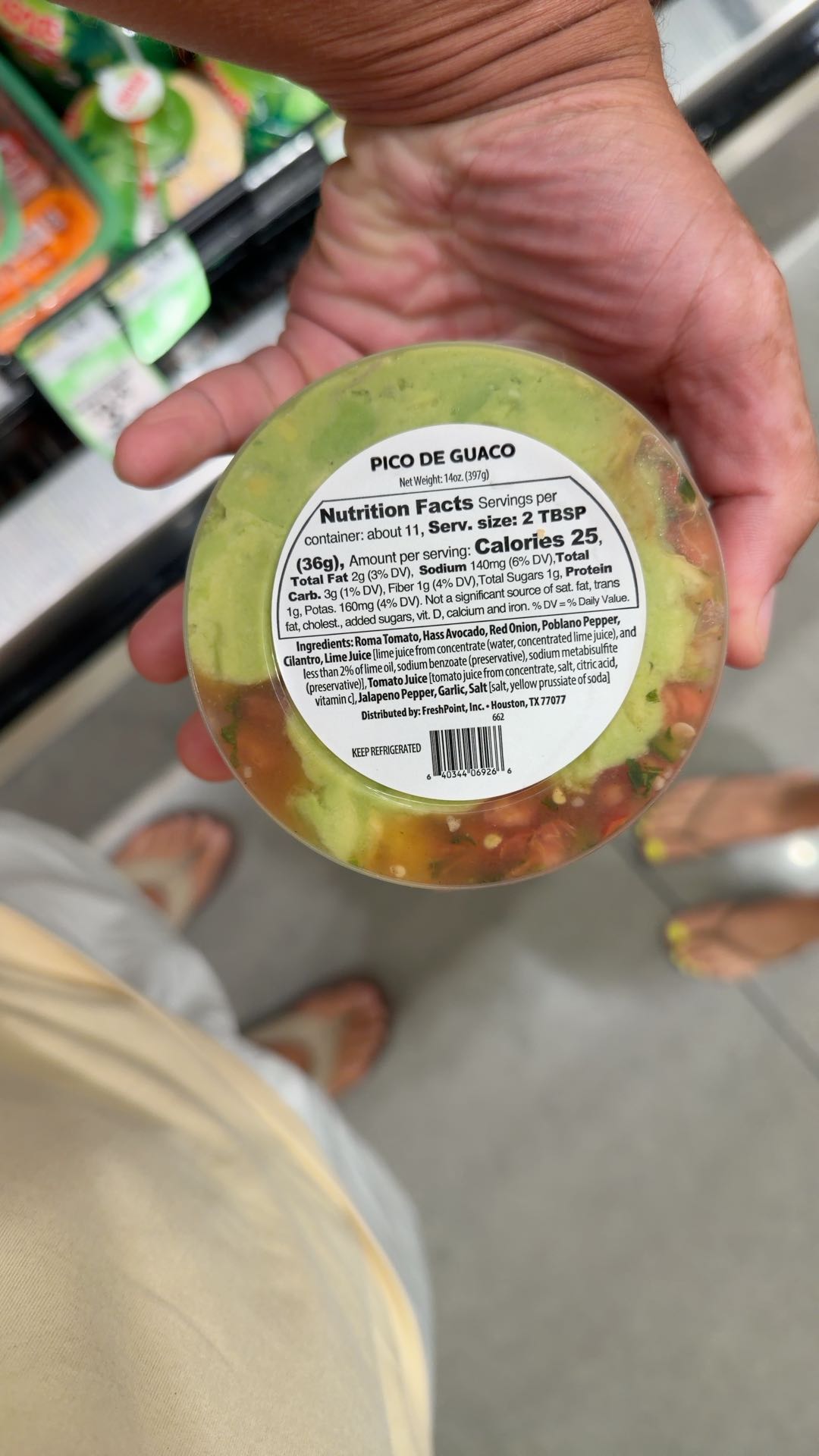
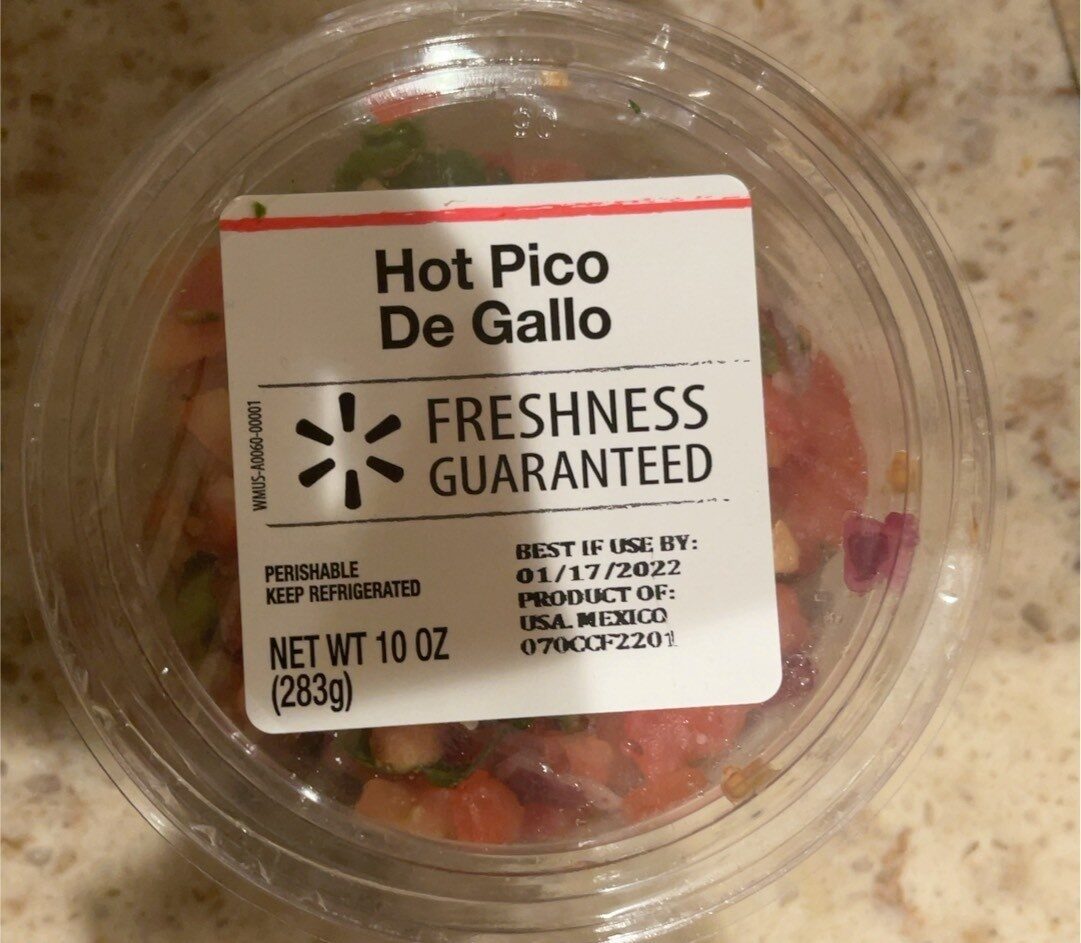
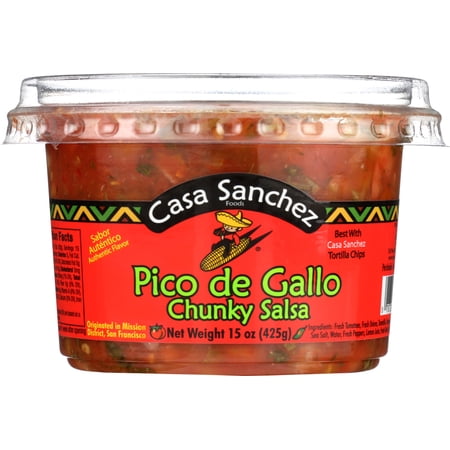
This Pico De Gallo contains beneficial ingredients like tomatoes, onions, and Anaheim peppers, which are minimally processed and rich in vitamins and antioxidants. However, the presence of synthetic preservatives such as sodium benzoate and potassium sorbate, along with xanthan gum, indicates a moderate level of processing. These additives, while common in processed foods, can cause allergic reactions or digestive issues in some individuals, which affects the overall health score.
Key ingredients 9
TomatoesGood
Tomatoes are a rich source of vitamins A and C, as well as antioxidants like lycopene. They are minimally processed and provide essential nutrients that support overall health. Their natural sweetness and acidity enhance flavor without added sugars.
Benefits
Rich in antioxidants and vitamins that support immune function and skin health.
OnionsGood
Onions are a good source of vitamins, minerals, and antioxidants, particularly quercetin. They are minimally processed and add flavor and nutritional value to dishes. Their sulfur compounds may have anti-inflammatory effects.
Benefits
May support heart health and provide anti-inflammatory benefits.
Anaheim PeppersGood
Anaheim peppers are low in calories and rich in vitamins A and C. They are minimally processed and contribute to the flavor and nutritional profile of the dish. Their capsaicin content may offer metabolic benefits.
Benefits
May boost metabolism and provide antioxidant benefits.
SaltNeutral
Salt is used as a seasoning and preservative in foods. It is a processed culinary ingredient that enhances flavor but should be consumed in moderation. Excessive intake can lead to health issues such as hypertension.
Risks
High sodium intake can contribute to hypertension and cardiovascular issues.
Benefits
Enhances flavor and acts as a preservative in foods.
Dehydrated GarlicNeutral
Dehydrated garlic retains many of the health benefits of fresh garlic, including its antioxidant properties. It is a processed form that provides convenience and long shelf life. However, some nutrient loss may occur during dehydration.
Benefits
Provides flavor and potential antioxidant benefits.
Citric AcidNeutral
Citric acid is a natural preservative and flavor enhancer found in citrus fruits. It is used to maintain freshness and enhance the tartness of foods. While generally safe, excessive consumption can cause digestive discomfort.
Risks
Excessive consumption may cause digestive discomfort.
Benefits
Helps preserve freshness and enhances flavor.
CilantroNeutral
Cilantro is a fresh herb that adds flavor and aroma to dishes. It is minimally processed and contains small amounts of vitamins and antioxidants. Its flavor is polarizing, with some individuals finding it soapy.
Benefits
Adds fresh flavor and contains small amounts of vitamins.
Xanthan GumNeutral
Fermentation-derived thickener, well tolerated at food-use levels.
Risks
May cause digestive issues such as bloating or gas in sensitive individuals.
Benefits
Improves texture and stability in food products.
Sodium Benzoate & Potassium SorbateBad
These preservatives are used to extend shelf life and prevent microbial growth. While effective, they are synthetic additives that may cause allergic reactions in sensitive individuals. Their use is common in processed foods.
Risks
May cause allergic reactions or sensitivities in some individuals.
Benefits
Effectively prevents spoilage and extends shelf life.
Processing
Processed Foods
Get the full breakdown in the Scout appTake Scout shopping
Scan any product to see lab results, healthy alternatives, and your personalized analysis.
Download on theApp Store GET IT ONGoogle Play