
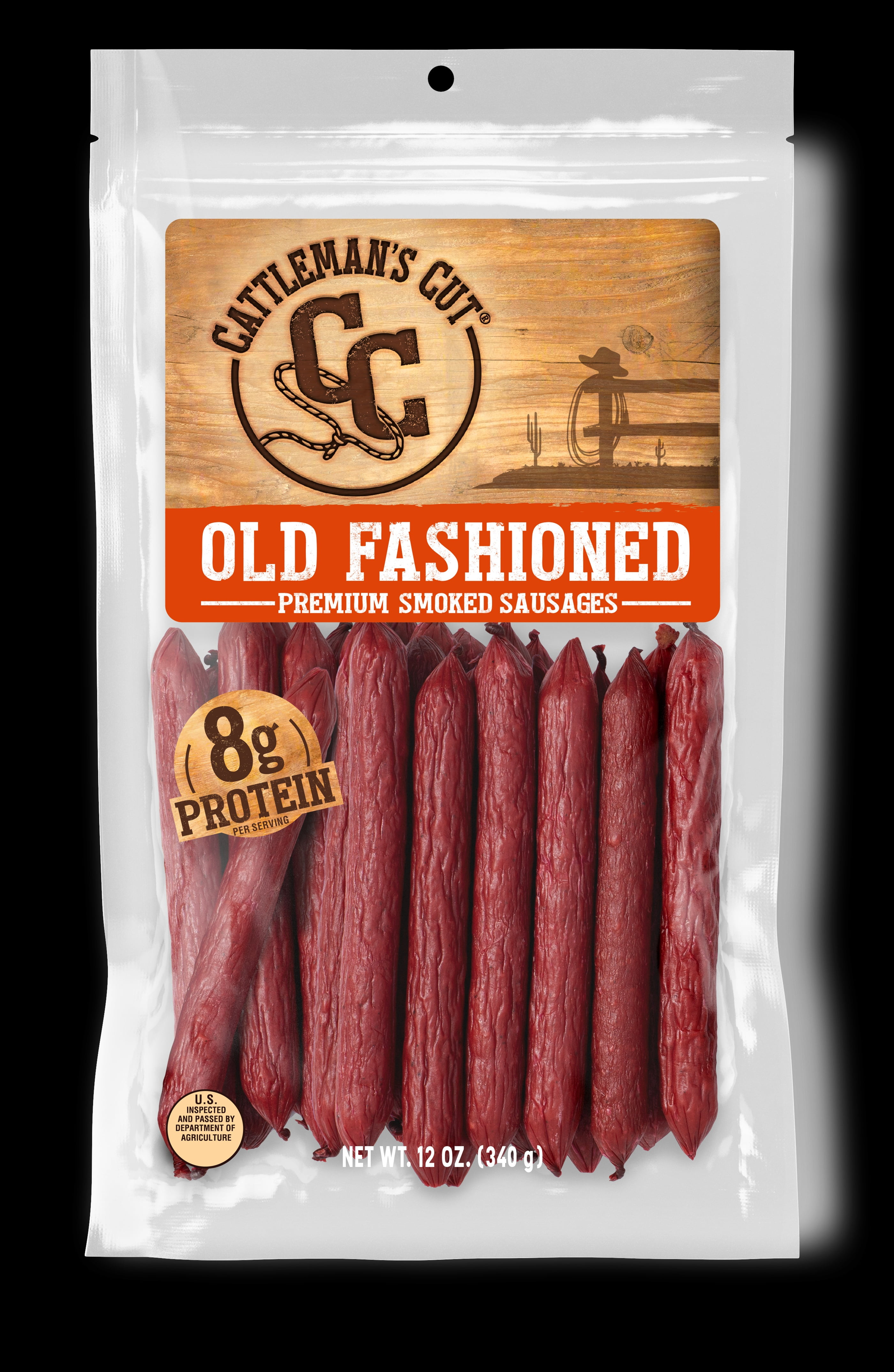

Old Fashioned Premium Smoked Sausage
Analysis updated September 2026 · How Scout scores
At a glance
Summary
This smoked sausage contains high-quality pork and several natural ingredients like vinegar, pepper, and garlic powder, which contribute to its nutritional value. However, it is processed and includes a synthetic colorant, canthaxanthin, which detracts from its overall healthiness. The presence of encapsulated additives and the processing level limit its score despite the beneficial ingredients.
Key ingredients 14
PorkGood
Pork is a high-quality source of protein and essential nutrients. It provides a rich amino acid profile necessary for muscle maintenance and repair. The quality of pork can vary based on farming practices, with pasture-raised options being more beneficial.
Risks
Potential risks include high saturated fat content and possible contamination if not properly cooked.
Benefits
Rich in protein and essential vitamins such as B12 and zinc, supporting overall health and energy levels.
VinegarGood
Vinegar is used for flavor and as a natural preservative. It can enhance the taste profile of foods and has antimicrobial properties. The acetic acid in vinegar can aid in digestion and blood sugar control.
Risks
Excessive consumption may lead to digestive discomfort.
Benefits
May help in controlling blood sugar levels and improving digestion.
PepperGood
Pepper is a spice that adds flavor and has antioxidant properties. It contains piperine, which can enhance nutrient absorption. It is a natural ingredient with minimal processing.
Benefits
Enhances flavor and may improve nutrient absorption due to piperine content.
Sea SaltGood
Sea salt is a minimally processed salt that retains trace minerals. It is used for flavor and preservation in foods. Unlike refined salt, it provides additional minerals like magnesium and potassium.
Risks
Excessive consumption can lead to high blood pressure.
Benefits
Provides trace minerals and enhances flavor naturally.
PaprikaGood
Paprika is a spice that adds color and flavor to foods. It contains antioxidants such as vitamin A and capsaicin. It is a natural ingredient with health-promoting properties.
Benefits
Rich in antioxidants and can enhance the flavor and color of foods.
Garlic PowderGood
Garlic powder is used for flavor and has potential health benefits. It contains allicin, which has antimicrobial and antioxidant properties. It is a natural ingredient that can support heart health.
Benefits
May support heart health and has antimicrobial properties.
WaterNeutral
Water is used as a processing aid and does not contribute nutritional value. It helps in maintaining moisture content in the product. There are no health concerns associated with water in this context.
See more about Water →SaltNeutral
Salt is used for flavor enhancement and preservation. It is a common ingredient in processed foods but should be consumed in moderation. Excessive intake can lead to health issues such as hypertension.
Risks
High sodium intake can increase the risk of hypertension and cardiovascular diseases.
Benefits
Enhances flavor and acts as a preservative in food products.
Encapsulated Lactic AcidNeutral
Encapsulated lactic acid is used to control acidity and improve shelf life. It is a processed ingredient but generally recognized as safe. The encapsulation helps in controlled release during processing.
Benefits
Helps in maintaining product stability and extending shelf life.
Encapsulated OnionNeutral
Encapsulated onion provides flavor without affecting the texture of the product. It is a processed form of onion used for convenience in manufacturing. The encapsulation allows for a controlled release of flavor.
Benefits
Adds flavor to the product without altering its texture.
AgarNeutral
Agar is a natural gelling agent derived from seaweed. It is used to improve texture and stability in food products. It is considered safe and is a vegetarian alternative to gelatin.
Benefits
Provides a natural source of fiber and is useful in creating desired textures in food.
Celery PowderNeutral
Standard formulation ingredient — neither beneficial nor harmful at typical use.
Benefits
Acts as a natural preservative and may provide antioxidant benefits.
Natural FlavoringNeutral
Natural flavoring is used to enhance the taste of food products. It is derived from natural sources but lacks transparency in its composition. The impact on health is generally neutral, depending on the source.
Risks
Lack of transparency in composition may be a concern for some consumers.
Benefits
Enhances flavor without adding calories or significant nutrients.
Canthaxanthin ColorBad
Canthaxanthin is a synthetic colorant used to enhance the appearance of food. It is considered safe in regulated amounts but is not a natural ingredient. Overconsumption can lead to health concerns such as canthaxanthin retinopathy.
Risks
Potential risk of canthaxanthin retinopathy with excessive consumption.
Processing
Processed Foods
Get the full breakdown in the Scout appTake Scout shopping
Scan any product to see lab results, healthy alternatives, and your personalized analysis.
Download on theApp Store GET IT ONGoogle Play