



At a glance
Summary
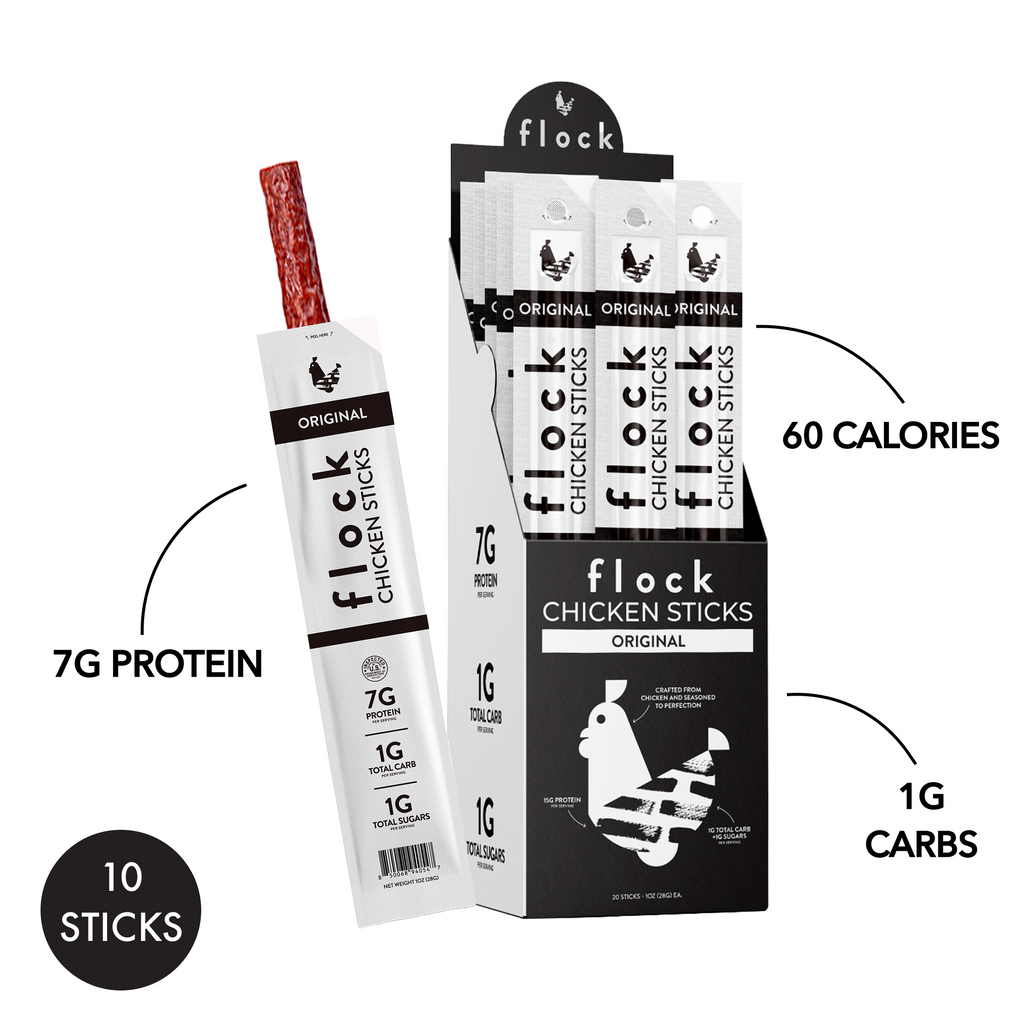
This product contains high-quality protein from chicken and beneficial spices like garlic and rosemary, which offer antioxidant and anti-inflammatory properties. However, it is a processed food with added salt and encapsulated citric acid, which slightly detracts from its overall healthiness. The presence of honey adds a small amount of sugar, but the ingredient list remains relatively clean with no artificial additives.
Key ingredients 12
ChickenGood
Chicken is a high-quality source of protein, providing essential amino acids necessary for muscle growth and repair. It is minimally processed and typically contains no additives when used as a primary ingredient. Compared to plant-based proteins, chicken offers a more complete amino acid profile.
Benefits
Rich in protein and essential nutrients, supporting muscle health and overall nutrition.
HoneyGood
Traditional whole-food sweetener with trace enzymes and antioxidants.
Risks
Excessive consumption can contribute to increased blood sugar levels.
Benefits
Contains antioxidants and is a natural alternative to refined sugars.
Granulated OnionGood
Granulated onion adds flavor and contains beneficial compounds like quercetin, which has antioxidant properties. It is a minimally processed ingredient that enhances the taste profile of foods. Compared to fresh onions, it offers convenience without significant nutrient loss.
Benefits
Provides flavor and antioxidants, contributing to overall health benefits.
GarlicGood
Garlic is known for its health-promoting properties, including potential cardiovascular benefits and immune support. It contains allicin, which has antimicrobial and antioxidant effects. Fresh or dried, garlic enhances flavor and offers health benefits.
Benefits
Supports heart health and immune function with its antioxidant properties.
RosemaryGood
Rosemary is an herb with antioxidant and anti-inflammatory properties, often used to enhance flavor. It contains compounds like rosmarinic acid that may support cognitive health. As a natural ingredient, it adds both flavor and potential health benefits.
Benefits
Offers antioxidants and may support cognitive health.
Black PepperGood
Beneficial ingredient — whole-food or functional value in this product class.
Benefits
May enhance nutrient absorption and adds flavor.
SpicesGood
Whole-food seasonings, antioxidant-bearing.
Benefits
May offer health benefits depending on the specific spices used.
WaterNeutral
Water is used as a solvent and to maintain moisture in food products. It is a neutral ingredient with no direct nutritional impact. Its presence helps in maintaining the texture and consistency of the product.
See more about Water →SaltNeutral
Salt is used for flavor enhancement and preservation in food products. It is a common culinary ingredient but does not provide additional nutritional benefits beyond sodium. Excessive consumption can lead to health issues such as hypertension.
Risks
High sodium intake can contribute to hypertension and cardiovascular issues.
Benefits
Provides essential sodium for bodily functions but should be consumed in moderation.
Dry VinegarNeutral
Dry vinegar is used for flavoring and preservation, providing acidity without significant nutritional value. It is a processed form of vinegar that retains its preservative qualities. Its primary role is to enhance taste and shelf life.
Benefits
Provides acidity for flavor and preservation.
Encapsulated Citric AcidNeutral
Encapsulated citric acid is used as a preservative and flavor enhancer, providing acidity to food products. It is a processed ingredient that helps maintain freshness. While it is generally recognized as safe, it offers no nutritional benefits.
Benefits
Helps preserve freshness and enhance flavor.
Cultured CeleryNeutral
Cultured celery is used as a natural preservative due to its nitrate content, which can act similarly to synthetic preservatives. It is a minimally processed ingredient that provides preservation benefits. While it is a natural alternative, it does not offer significant nutritional benefits.
Benefits
Acts as a natural preservative, maintaining product freshness.
Processing
Processed Foods
Get the full breakdown in the Scout appTake Scout shopping
Scan any product to see lab results, healthy alternatives, and your personalized analysis.
Download on theApp Store GET IT ONGoogle Play