


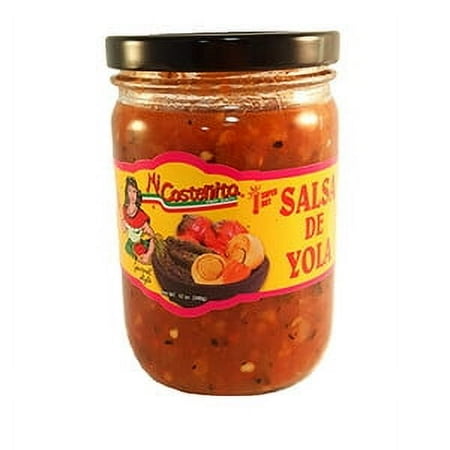
At a glance
Summary
This salsa contains beneficial ingredients like tomatoes, tomato puree, and bell peppers, which are rich in vitamins and antioxidants. However, the presence of added sugar detracts from its nutritional profile, as refined sugar offers no health benefits and can contribute to metabolic issues. The product is moderately processed, which limits its score despite the overall clean ingredient list.
Key ingredients 10
TomatoesGood
Tomatoes are a rich source of vitamins A and C and contain antioxidants like lycopene. They are minimally processed and retain most of their nutritional value. Lycopene has been linked to reduced risk of heart disease and cancer.
Benefits
Rich in vitamins and antioxidants, supporting overall health and reducing inflammation.
Tomato pureeGood
Tomato puree is made from cooked and strained tomatoes, preserving many of the nutrients found in fresh tomatoes. It is a good source of vitamins and antioxidants. The cooking process can enhance the bioavailability of lycopene.
Benefits
Provides vitamins and antioxidants, with enhanced lycopene absorption due to cooking.
Bell peppersGood
Bell peppers are low in calories and high in vitamins C and A, as well as antioxidants. They are minimally processed and contribute to the nutritional profile of the salsa. Their vibrant colors indicate a variety of phytonutrients.
Benefits
High in vitamins and antioxidants, supporting immune function and skin health.
Dehydrated onionGood
Beneficial ingredient — whole-food or functional value in this product class.
Benefits
Adds flavor and some nutrients similar to fresh onions.
SpicesGood
Whole-food seasonings, antioxidant-bearing.
Benefits
Enhances flavor and may provide antioxidants and anti-inflammatory benefits.
OnionsNeutral
Onions are a common culinary ingredient that add flavor and contain some vitamins and antioxidants. They are minimally processed and contribute to the overall taste profile. While nutritious, they are not a significant source of any particular nutrient.
Benefits
Adds flavor and some antioxidants to the dish.
Jalapeno peppersNeutral
Jalapeno peppers add spice and contain capsaicin, which may have metabolic benefits. They are minimally processed and contribute to the flavor profile. Capsaicin is linked to pain relief and improved metabolism.
Risks
May cause irritation or discomfort in sensitive individuals.
Benefits
Contains capsaicin, which may aid in metabolism and provide pain relief.
VinegarNeutral
Vinegar is used as a preservative and flavor enhancer in many foods. It is minimally processed and generally considered safe. It can aid in digestion and has antimicrobial properties.
Risks
Excessive consumption may lead to digestive discomfort.
Benefits
Acts as a preservative and may aid digestion.
SaltNeutral
Salt is used to enhance flavor and preserve food. It is a common culinary ingredient but should be consumed in moderation. Excessive salt intake is linked to high blood pressure.
Risks
High sodium intake can lead to hypertension and cardiovascular issues.
Benefits
Enhances flavor and acts as a preservative.
SugarBad
Refined sugar is added for sweetness but provides no nutritional benefits. It is a processed ingredient that can contribute to health issues when consumed in excess. High sugar intake is linked to obesity and metabolic disorders.
Risks
Excessive consumption can lead to obesity, diabetes, and other metabolic disorders.
Processing
Processed Foods
Get the full breakdown in the Scout appTake Scout shopping
Scan any product to see lab results, healthy alternatives, and your personalized analysis.
Download on theApp Store GET IT ONGoogle Play