
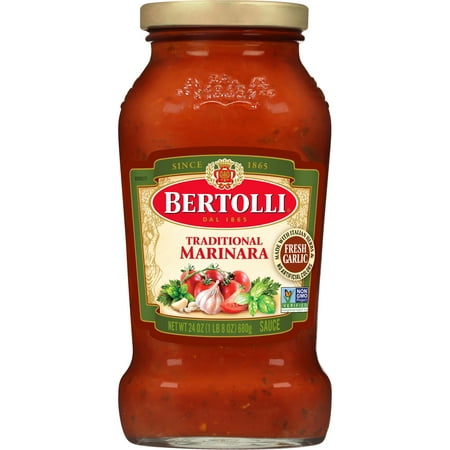


Bertolli Sauce
Analysis updated August 2026 · How Scout scores
At a glance
Summary
This sauce contains a variety of beneficial ingredients such as diced tomatoes, olive oil, and herbs, which contribute to its nutritional value and flavor. However, the presence of added sugar and the use of calcium chloride and citric acid as additives indicate a moderate level of processing. While the ingredient list is relatively clean, the processing level limits the score, and the inclusion of refined sugar slightly detracts from its overall healthiness.
Key ingredients 14
Olive oilVery Good
Olive oil is rich in monounsaturated fats and antioxidants, supporting heart health and reducing inflammation. It is typically cold-pressed, preserving its beneficial compounds. Olive oil enhances the flavor and nutritional profile of the sauce.
Benefits
Rich in healthy fats and antioxidants that support cardiovascular health.
Diced tomatoesGood
Diced tomatoes are a rich source of vitamins A and C, and lycopene, an antioxidant linked to reduced risk of chronic diseases. They are minimally processed, retaining most of their natural nutrients. The presence of fiber supports digestive health.
Benefits
Rich in antioxidants and vitamins that support overall health and may reduce inflammation.
Tomato pasteGood
Tomato paste is concentrated and provides a rich source of lycopene, an antioxidant beneficial for heart health. It is made by cooking tomatoes for a long period, which enhances the bioavailability of nutrients. The paste adds depth of flavor and nutritional value to the sauce.
Benefits
High in antioxidants and enhances the nutritional profile of the sauce.
OnionsGood
Onions are a good source of vitamins, minerals, and antioxidants, particularly quercetin, which has anti-inflammatory properties. They are used fresh or minimally processed, retaining their health benefits. Onions add flavor and nutritional value to the sauce.
Benefits
Provides antioxidants and nutrients that support immune function and reduce inflammation.
GarlicGood
Garlic is known for its health benefits, including antimicrobial properties and potential cardiovascular benefits. It is used fresh or minimally processed, retaining its beneficial compounds. Garlic adds flavor and nutritional value to the sauce.
Benefits
Contains compounds that may support heart health and boost the immune system.
ParsleyGood
Parsley is a source of vitamins A, C, and K, and antioxidants that support overall health. It is typically used fresh, preserving its nutritional benefits. Parsley adds flavor and enhances the nutritional profile of the sauce.
Benefits
Rich in vitamins and antioxidants that support immune function and bone health.
BasilGood
Basil is rich in antioxidants and essential oils that have anti-inflammatory and antimicrobial properties. It is used fresh or dried, retaining its health benefits. Basil enhances the flavor and nutritional value of the sauce.
Benefits
Provides antioxidants and essential oils that may support health and reduce inflammation.
OreganoGood
Oregano is high in antioxidants and has antimicrobial properties, supporting overall health. It is used fresh or dried, preserving its beneficial compounds. Oregano adds flavor and enhances the nutritional profile of the sauce.
Benefits
Rich in antioxidants and essential oils that support health and may reduce inflammation.
SpicesGood
Whole-food seasonings, antioxidant-bearing.
Benefits
May provide antioxidants and enhance flavor.
WaterNeutral
Water is used as a solvent and to adjust the consistency of the sauce. It is a neutral ingredient with no direct nutritional impact. It helps in blending the ingredients smoothly.
See more about Water →SaltNeutral
Salt is used to enhance flavor and preserve the sauce. It is a common culinary ingredient with no significant nutritional value. Excessive consumption can lead to health issues such as hypertension.
Risks
High sodium intake can contribute to high blood pressure and cardiovascular issues.
Calcium chlorideNeutral
Calcium chloride is used as a firming agent in canned tomatoes and does not significantly impact health. It is a common food additive with no direct nutritional benefits. It helps maintain the texture of the tomatoes in the sauce.
See more about Calcium chloride →Citric acidNeutral
Citric acid is used as a preservative and to enhance flavor, with no significant health impact. It is a common food additive derived from citrus fruits. Citric acid helps maintain the acidity and freshness of the sauce.
See more about Citric acid →SugarBad
Refined sugar is added to enhance sweetness but offers no nutritional benefits and can contribute to health issues like obesity and diabetes. It is a processed ingredient that can lead to increased calorie intake. Excessive consumption of sugar is linked to various metabolic disorders.
Risks
High intake of refined sugar can lead to weight gain, insulin resistance, and increased risk of chronic diseases.
Processing
Processed Foods
Get the full breakdown in the Scout appTake Scout shopping
Scan any product to see lab results, healthy alternatives, and your personalized analysis.
Download on theApp Store GET IT ONGoogle PlayAmazon pricing & content
Amazon price as of . Product prices and availability are accurate as of the date/time indicated and are subject to change. Any price and availability information displayed on Amazon.com at the time of purchase will apply to the purchase of this product.
CERTAIN CONTENT THAT APPEARS ON THIS SITE COMES FROM AMAZON. THIS CONTENT IS PROVIDED “AS IS” AND IS SUBJECT TO CHANGE OR REMOVAL AT ANY TIME.