
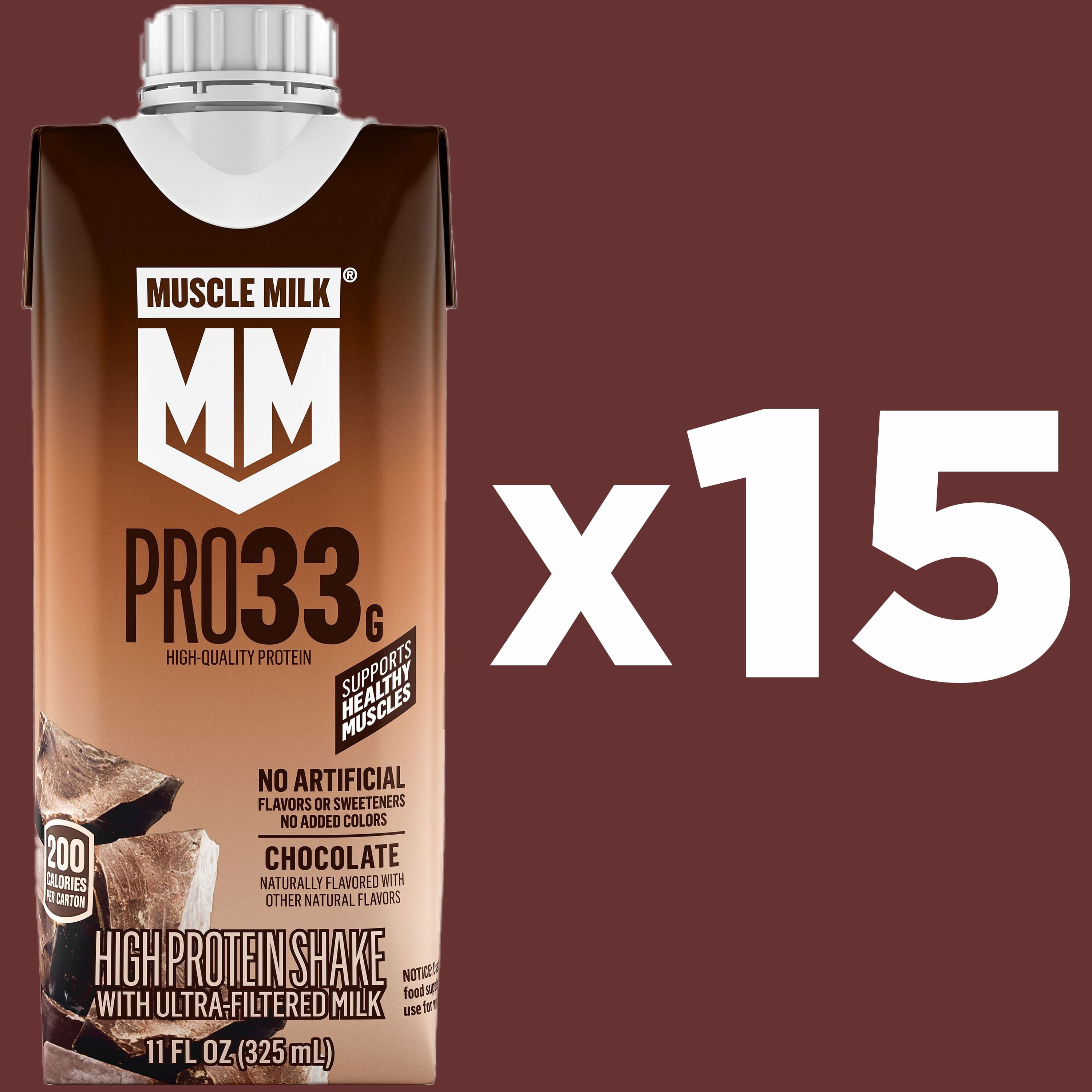


High Protein Shake with Ultra-Filtered Milk
Analysis updated May 2026 · How Scout scores
At a glance
Summary
The high protein shake uses ultrafiltered milk, which is a beneficial ingredient due to its high protein content and reduced lactose. However, the presence of carrageenan and natural flavors raises concerns due to potential digestive issues and lack of transparency in ingredient composition. The product is moderately processed, which affects its overall healthiness score.
Key ingredients 8
Ultrafiltered MilkGood
Ultrafiltered milk is a high-quality source of protein and calcium, providing essential nutrients with reduced lactose content. The ultrafiltration process enhances protein concentration while removing some sugars, making it suitable for lactose-sensitive individuals. It is a beneficial ingredient in protein shakes due to its rich amino acid profile.
Benefits
Rich in protein and calcium, supporting muscle health and bone strength.
Ascorbic AcidGood
Vitamin C — beneficial even when serving as a preservative.
Benefits
Supports immune function and acts as an antioxidant.
CocoaGood
Beneficial ingredient — whole-food or functional value in this product class.
Benefits
Contains antioxidants that may support heart health.
Cellulose GelNeutral
Cellulose gel is a plant-derived thickener and stabilizer used to improve texture and consistency in food products. It is generally considered safe and is not absorbed by the body, passing through the digestive system unchanged. Its role is primarily functional, with no direct nutritional benefits.
See more about Cellulose Gel →Cellulose GumNeutral
Cellulose gum is a common food additive used to thicken and stabilize products, derived from plant fibers. It is widely used in the food industry and is considered safe for consumption. Like cellulose gel, it serves a functional purpose without providing nutritional value.
See more about Cellulose Gum →Purified Stevia LeafNeutral
Purified stevia leaf is a natural sweetener derived from the stevia plant, offering a zero-calorie alternative to sugar. It is considered safe and does not significantly impact blood sugar levels. Its use in food products is primarily for sweetness without added calories.
Benefits
Provides sweetness without calories, suitable for low-calorie diets.
CarrageenanBad
Carrageenan is a thickening agent derived from seaweed, often used to improve texture in food products. However, it has been linked to gastrointestinal inflammation and other digestive issues in some individuals. Its inclusion in food products is controversial due to these potential health concerns.
Risks
May cause gastrointestinal inflammation and digestive issues in sensitive individuals.
Natural FlavorBad
Natural flavors are used to enhance taste but can be derived from complex mixtures of chemicals, making their exact composition unclear. This lack of transparency can be concerning for consumers seeking to avoid certain additives. While not inherently harmful, the ambiguity around their composition warrants caution.
Risks
Potential for undisclosed additives or allergens due to lack of transparency.
Processing
Processed Foods
Get the full breakdown in the Scout appTake Scout shopping
Scan any product to see lab results, healthy alternatives, and your personalized analysis.
Download on theApp Store GET IT ONGoogle PlayAmazon pricing & content
Amazon price as of . Product prices and availability are accurate as of the date/time indicated and are subject to change. Any price and availability information displayed on Amazon.com at the time of purchase will apply to the purchase of this product.
CERTAIN CONTENT THAT APPEARS ON THIS SITE COMES FROM AMAZON. THIS CONTENT IS PROVIDED “AS IS” AND IS SUBJECT TO CHANGE OR REMOVAL AT ANY TIME.