

At a glance
Summary
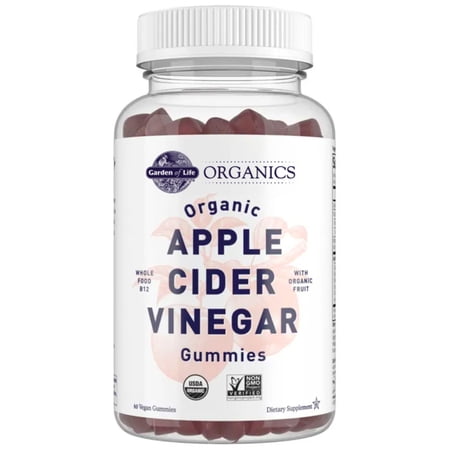
The product contains organic cane sugar and organic tapioca syrup, which are less processed sweeteners, but still contribute to added sugar content. The presence of natural flavors, while derived from natural sources, lacks transparency and can be highly processed, which is a concern for those seeking clean-label products. Overall, the formulation is relatively simple with minimal additives, but the inclusion of natural flavors and added sugars affects the overall score.
Key ingredients 8
WaterNeutral
Water is a neutral ingredient used as a solvent and to provide moisture in food products. It is essential for hydration and does not pose any health risks in this context. It is a basic component in many food formulations.
Benefits
Essential for hydration and helps in the consistency of the product.
PectinNeutral
Pectin is a natural gelling agent derived from fruits, commonly used to provide texture in gummies. It is a fiber that can aid in digestion, although its functional role in gummies is primarily structural. It is a clean-label ingredient with no significant processing concerns.
Benefits
May aid in digestion due to its fiber content.
Sodium CitrateNeutral
Sodium citrate is a salt of citric acid used as an acidity regulator and preservative. It is generally recognized as safe and is commonly used in food products to maintain stability and flavor. It does not provide nutritional benefits but is effective in maintaining product quality.
Benefits
Helps maintain the stability and flavor of the product.
Citric AcidNeutral
Citric acid is a natural acid found in citrus fruits, used to enhance flavor and preserve freshness. It is widely used in the food industry and is considered safe. It does not offer nutritional benefits but is effective in maintaining product quality.
Risks
Excessive consumption may cause dental erosion.
Benefits
Enhances flavor and acts as a preservative.
Malic AcidNeutral
Malic acid is a naturally occurring acid found in fruits, used to enhance flavor and provide tartness. It is considered safe and is commonly used in food products. It does not offer nutritional benefits but contributes to the sensory profile of the product.
Benefits
Enhances flavor and provides tartness.
Organic Cane SugarBad
Processed additive flagged under Scout's ingredient doctrine.
Risks
Excessive consumption of sugar can lead to health issues such as obesity and diabetes.
Benefits
Provides a quick source of energy due to its carbohydrate content.
Organic Tapioca SyrupBad
Processed additive flagged under Scout's ingredient doctrine.
Risks
High intake of sugars like tapioca syrup can contribute to weight gain and metabolic issues.
Benefits
Acts as a natural sweetener and binder in food products.
Natural FlavorsBad
Natural flavors are a catch-all term for flavoring agents derived from natural sources but can be highly processed. The lack of transparency in their composition can be concerning for consumers seeking clean-label products. They do not provide nutritional benefits and may contain additives.
Risks
Potential for undisclosed additives and allergens; lack of transparency in ingredient sourcing.
Benefits
Enhances the taste of the product without adding calories.
Processing
Processed Foods
Get the full breakdown in the Scout appTake Scout shopping
Scan any product to see lab results, healthy alternatives, and your personalized analysis.
Download on theApp Store GET IT ONGoogle Play