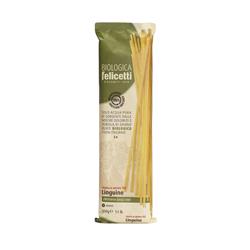
Rotini

At a glance
Summary
This rotini pasta is made primarily from semolina, a high-quality flour derived from durum wheat, which provides essential nutrients and a good protein content. The product is fortified with beneficial vitamins and minerals such as niacin, iron, and folic acid, enhancing its nutritional profile. Despite being a processed food, it maintains a clean ingredient list without harmful additives, allowing it to achieve a high score within its category constraints. Its plastic packaging can shed microplastics into the food and lowers its score.
Key ingredients 6
SemolinaGood
Semolina is a high-quality flour made from durum wheat, known for its high protein content. It provides essential nutrients like fiber and B vitamins. Its slow digestion rate helps maintain stable blood sugar levels.
Benefits
Rich in protein and fiber, which support muscle health and digestive function. Provides essential B vitamins that are important for energy metabolism.
NiacinGood
Niacin, also known as vitamin B3, is essential for converting food into energy. It supports skin health and the nervous system. Fortification ensures adequate intake in diets lacking this vitamin.
Benefits
Supports energy metabolism and maintains healthy skin and nerves. Fortification helps prevent niacin deficiency.
Ferrous sulphateGood
Ferrous sulphate is a form of iron used to prevent and treat iron deficiency anemia. It is an essential mineral for oxygen transport in the blood. Fortification helps maintain adequate iron levels in the diet.
Risks
Excessive intake can lead to gastrointestinal issues and iron overload.
Benefits
Essential for oxygen transport and energy production. Helps prevent iron deficiency anemia.
Thiamine mononitrateGood
Thiamine mononitrate is a synthetic form of vitamin B1, crucial for energy metabolism. It supports nerve function and carbohydrate metabolism. Fortification ensures sufficient intake in processed foods.
Benefits
Supports energy metabolism and nerve function. Fortification helps prevent thiamine deficiency.
RiboflavinGood
Riboflavin, or vitamin B2, is important for energy production and cellular function. It acts as an antioxidant, protecting cells from oxidative damage. Fortification ensures adequate intake in diets.
Benefits
Supports energy production and acts as an antioxidant. Fortification helps prevent riboflavin deficiency.
Folic acidNeutral
Standard formulation ingredient — neither beneficial nor harmful at typical use.
Risks
Excessive intake can mask vitamin B12 deficiency symptoms.
Benefits
Supports DNA synthesis and cell division. Fortification helps prevent neural tube defects in developing fetuses.
Processing
Processed Foods
Get the full breakdown in the Scout appTake Scout shopping
Scan any product to see lab results, healthy alternatives, and your personalized analysis.
Are you Primo? Fix an error Get the badge Get tested