
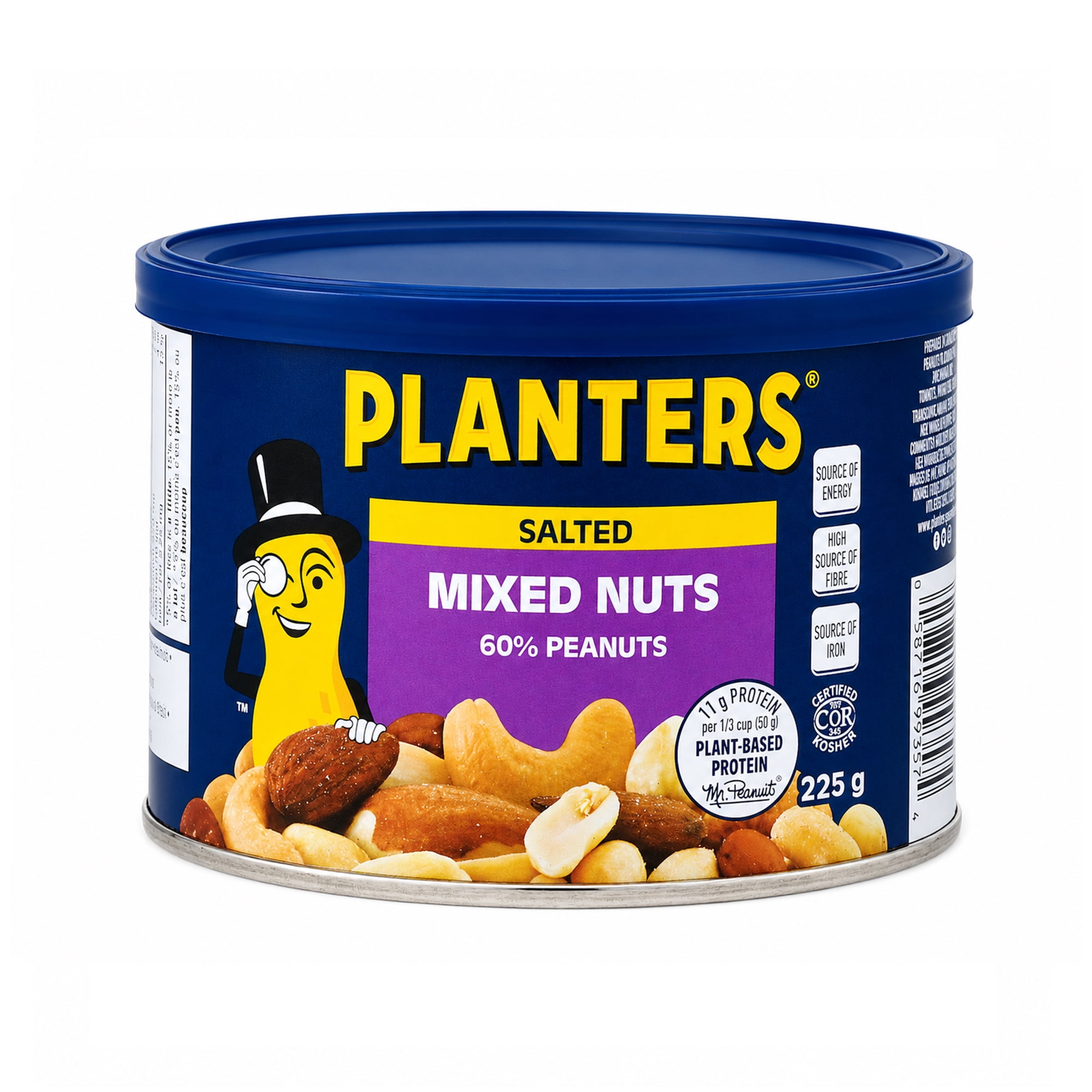
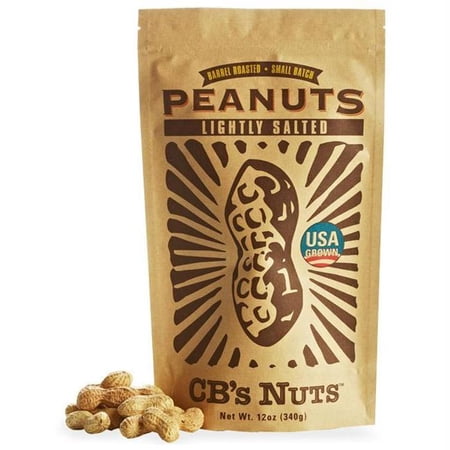
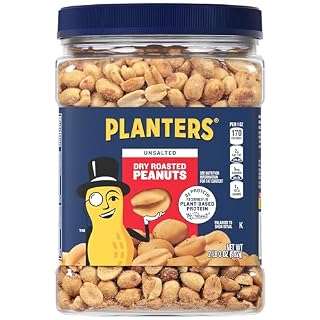
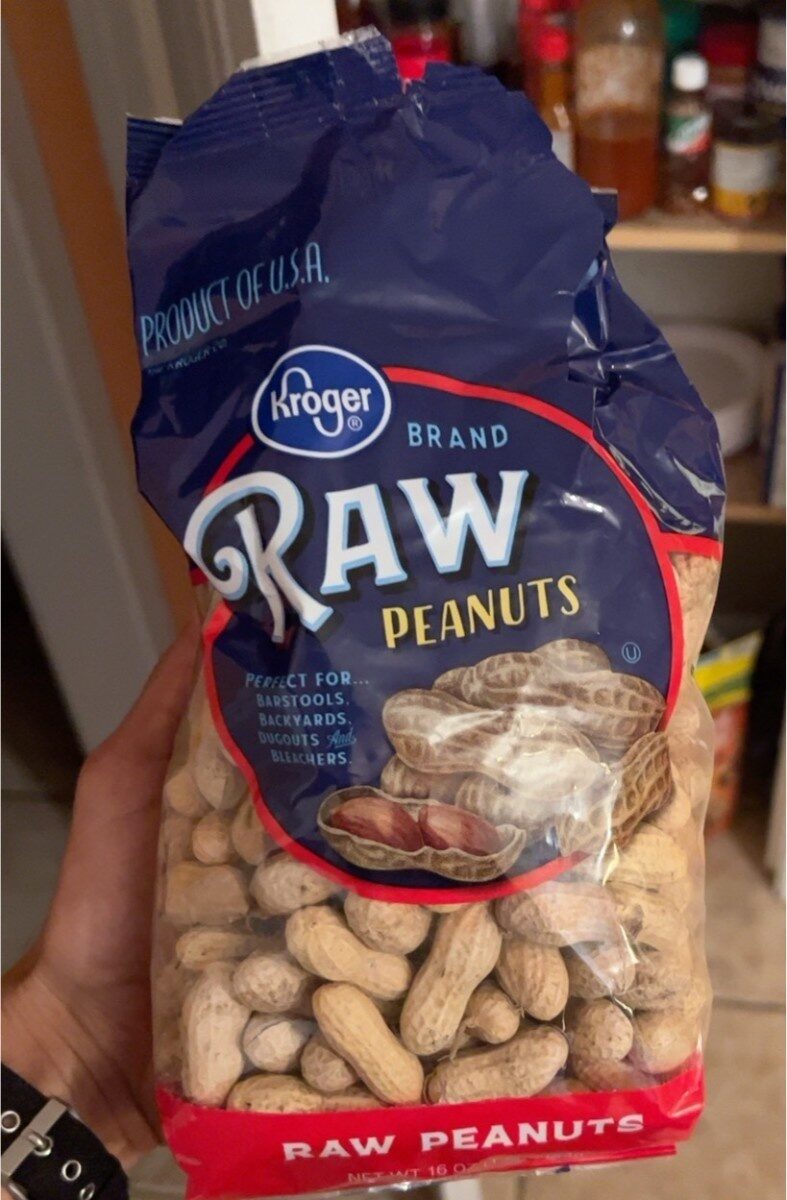


Planters Mixed Nuts 60% Peanuts - 225g 225g
Analysis updated October 2026 · How Scout scores
At a glance
Summary
This product contains a mix of nutrient-dense nuts like almonds, cashews, and Brazil nuts, which are minimally processed and provide healthy fats and essential nutrients. However, the use of canola and/or soybean oil, which are highly processed and high in omega-6 fatty acids, detracts from the overall healthfulness. The processing level of the product also limits its score, as it is not as minimally processed as some other nut products.
Key ingredients 7
AlmondsVery Good
Almonds are high in monounsaturated fats and vitamin E, promoting heart health. They are a good source of fiber and antioxidants. Almonds are minimally processed and nutrient-dense.
Risks
Almonds can cause allergic reactions in sensitive individuals.
Benefits
Almonds support heart health and provide antioxidants that may reduce oxidative stress.
Brazil nutsVery Good
Brazil nuts are an excellent source of selenium, a powerful antioxidant. They provide healthy fats and protein. Brazil nuts are minimally processed and support thyroid health.
Risks
Excessive consumption of Brazil nuts can lead to selenium toxicity.
Benefits
Rich in selenium, Brazil nuts support antioxidant defenses and thyroid function.
HazelnutsVery Good
Hazelnuts are high in monounsaturated fats and vitamin E, promoting cardiovascular health. They provide fiber and antioxidants. Hazelnuts are minimally processed and nutrient-rich.
Risks
Hazelnuts can cause allergic reactions in some individuals.
Benefits
Hazelnuts support heart health and provide antioxidants that may reduce inflammation.
PeanutsGood
Peanuts are a good source of protein and healthy fats. They contain essential nutrients like magnesium and vitamin E. Peanuts are minimally processed and provide dietary fiber.
Risks
Peanuts can be allergenic for some individuals, potentially causing severe allergic reactions.
Benefits
Rich in protein and healthy fats, peanuts support heart health and provide sustained energy.
CashewsGood
Cashews are rich in healthy fats and provide essential minerals like magnesium and zinc. They are a good source of plant-based protein. Cashews are minimally processed and contribute to a balanced diet.
Risks
Cashews may cause allergic reactions in some people.
Benefits
Cashews offer healthy fats and minerals that support bone health and immune function.
SaltNeutral
Salt is used to enhance flavor but does not provide significant nutritional benefits. It is a common additive in processed foods. Excessive salt intake can contribute to hypertension.
Risks
High sodium intake is associated with increased risk of hypertension and cardiovascular disease.
Canola oil and/or soybean oilVery Bad
Canola oil and soybean oil are high in omega-6 fatty acids, which can promote inflammation. These oils are often highly processed and refined. The extraction methods may involve chemical solvents.
Risks
High omega-6 content may promote inflammation when consumed in excess.
Processing
Processed Foods
Get the full breakdown in the Scout appTake Scout shopping
Scan any product to see lab results, healthy alternatives, and your personalized analysis.
Download on theApp Store GET IT ONGoogle Play