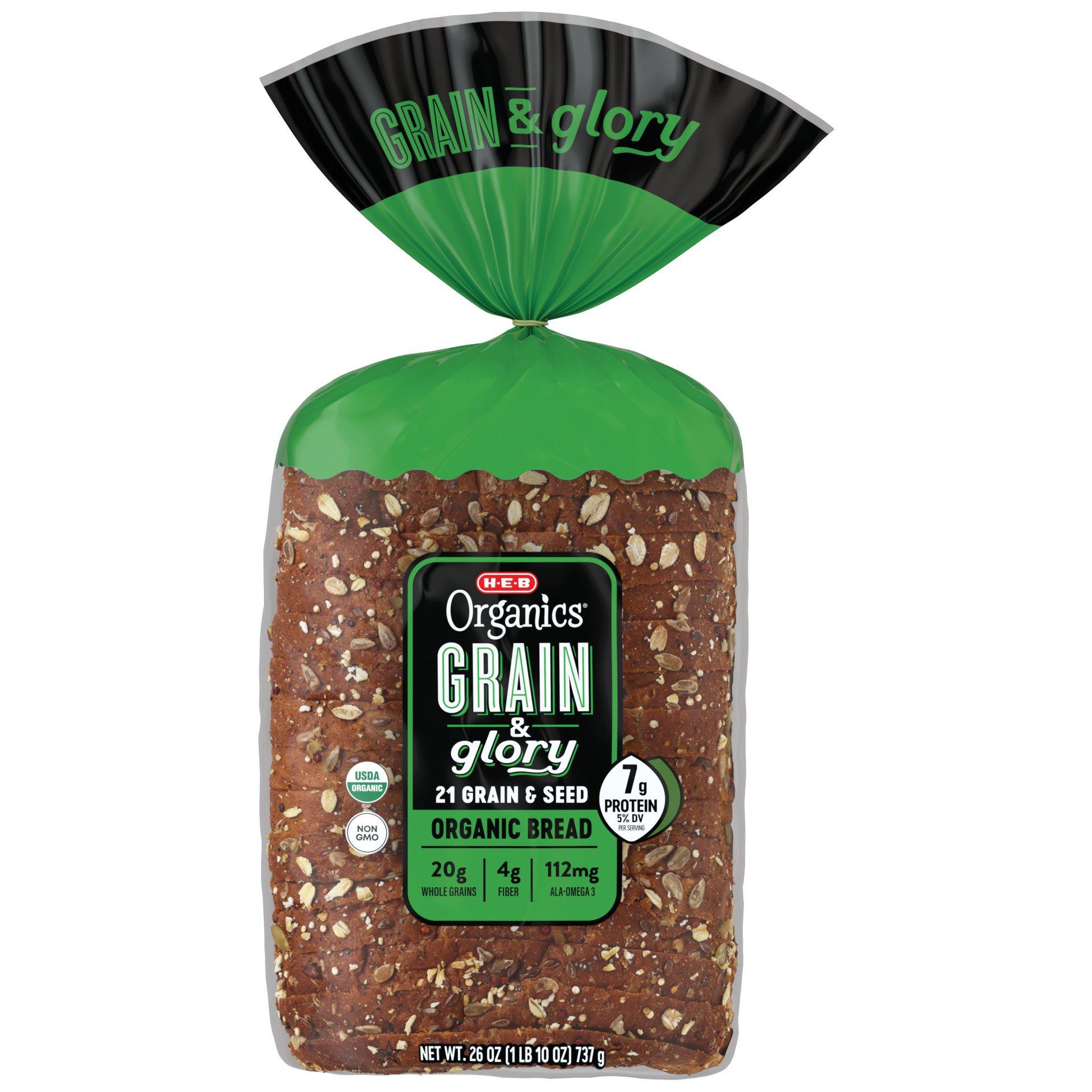
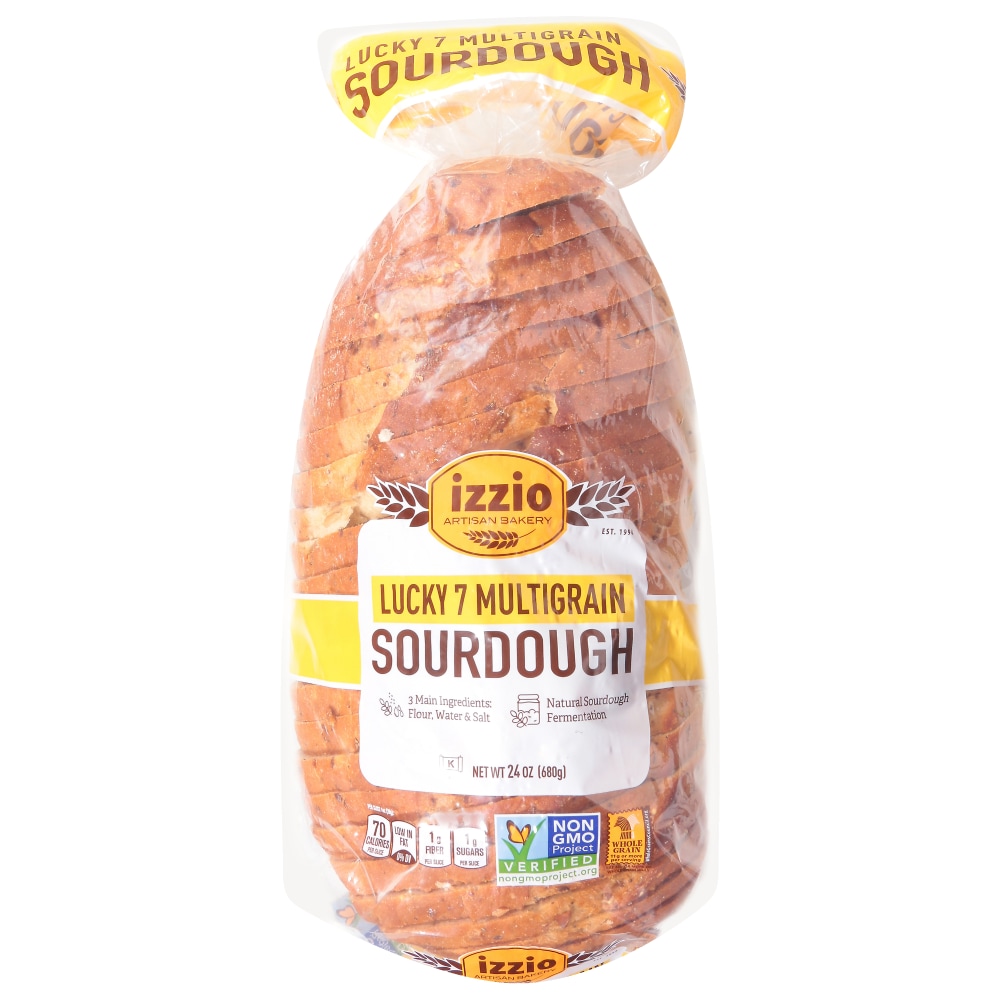
LOW CARB 7 GRAIN FIBER

At a glance
Summary
This bread contains a mix of beneficial ingredients like whole wheat flour, oat flour, and olive oil, which contribute to its nutritional value. However, it is classified as ultra-processed due to the presence of soy protein and other processed components, which limits its score. Despite having some healthy ingredients, the level of processing and inclusion of soy protein, which is less complete in amino acids, impacts its overall healthiness.
Key ingredients 16
Olive oilVery Good
Olive oil is a high-quality monounsaturated fat with anti-inflammatory properties. It contains antioxidants that support heart health. Cold-pressed extraction preserves beneficial compounds.
Benefits
Rich in monounsaturated fats that support heart health and provide anti-inflammatory properties. Contains antioxidants like vitamin E and polyphenols that may reduce oxidative stress.
Bran flourGood
Bran flour is high in dietary fiber, which supports digestive health. It is minimally processed, retaining most of its nutrients. It can help in regulating blood sugar levels and promoting satiety.
Risks
May cause digestive discomfort in some individuals if consumed in large amounts.
Benefits
Rich in fiber, which aids in digestion and helps maintain healthy cholesterol levels.
Whole wheat flourGood
Whole wheat flour is a whole grain product that retains all parts of the wheat kernel. It is a good source of fiber, vitamins, and minerals. It supports heart health and provides sustained energy.
Risks
Contains gluten, which can be problematic for individuals with celiac disease or gluten sensitivity.
Benefits
Provides essential nutrients and fiber, supporting overall health and digestion.
Oat flourGood
Oat flour is made from ground oats and is rich in beta-glucans, which are beneficial for heart health. It is minimally processed and retains most of its nutrients. It can help lower cholesterol levels and improve blood sugar control.
Risks
May contain gluten if not certified gluten-free, posing a risk to those with celiac disease.
Benefits
Supports heart health and provides a good source of fiber and nutrients.
Sesame seedGood
Sesame seeds are a good source of healthy fats, protein, and minerals like calcium and magnesium. They are minimally processed and retain their nutritional profile. They can support bone health and provide antioxidant benefits.
Risks
Allergic reactions can occur in sensitive individuals.
Benefits
Rich in healthy fats and minerals, supporting bone health and providing antioxidant properties.
Sunflower seedsGood
Sunflower seeds are rich in healthy fats, protein, and vitamin E. They are minimally processed and provide antioxidant benefits. They support heart health and can help reduce inflammation.
Risks
High in calories, which may contribute to weight gain if consumed in excess.
Benefits
Rich in healthy fats and antioxidants, supporting heart health and reducing inflammation.
Flax seedGood
Flax seeds are high in omega-3 fatty acids and fiber, supporting heart health and digestion. They are minimally processed and retain their nutritional profile. They can help reduce cholesterol levels and improve digestive health.
Risks
May cause digestive discomfort if consumed in large amounts without adequate hydration.
Benefits
Rich in omega-3 fatty acids and fiber, supporting heart health and digestion.
Wheat germGood
Wheat germ is the nutrient-rich core of the wheat kernel, high in vitamins and minerals. It is minimally processed and provides essential nutrients like vitamin E and folic acid. It supports overall health and provides antioxidant benefits.
Risks
Contains gluten, which can be problematic for individuals with celiac disease or gluten sensitivity.
Benefits
Rich in vitamins and minerals, supporting overall health and providing antioxidant properties.
Wheat fiberGood
Wheat fiber is a source of insoluble fiber, promoting digestive health. It is minimally processed and helps in maintaining regular bowel movements. It can aid in weight management by promoting satiety.
Risks
May cause digestive discomfort if consumed in large amounts.
Benefits
Supports digestive health and aids in weight management by promoting satiety.
Cultured organic unbleached wheat flourGood
Cultured organic unbleached wheat flour is a less processed flour with beneficial bacteria that can aid digestion. It retains more nutrients compared to bleached flour. It supports gut health and provides a source of carbohydrates.
Risks
Contains gluten, which can be problematic for individuals with celiac disease or gluten sensitivity.
Benefits
Supports gut health and provides a source of carbohydrates with more nutrients than bleached flour.
Soy flourNeutral
Soy flour is a source of plant-based protein and fiber. It is processed from soybeans, which may contain anti-nutrients affecting mineral absorption. However, it provides essential amino acids and is a common ingredient in low-carb products.
Risks
Contains phytoestrogens which may affect hormone levels in sensitive individuals.
Benefits
Provides a good source of protein and fiber, beneficial for muscle maintenance and digestive health.
Unbleached flourNeutral
Unbleached flour is a refined flour that has not been chemically treated to whiten it. It retains more nutrients compared to bleached flour. However, it is still a refined product with lower fiber content than whole grain alternatives.
Risks
Lacks the fiber and nutrients found in whole grain flours.
Benefits
Provides a source of carbohydrates and is less processed than bleached flour.
Vital wheatNeutral
Vital wheat gluten is a concentrated protein derived from wheat. It is used to improve the texture and elasticity of baked goods. It is beneficial for those seeking to increase protein intake in a plant-based diet.
Risks
Contains gluten, which is problematic for those with celiac disease or gluten sensitivity.
Benefits
Enhances protein content and texture in baked goods.
SaltNeutral
Salt is used to enhance flavor and preserve food. It is a refined product without the trace minerals found in unrefined salts. Excessive consumption can lead to health issues like hypertension.
Risks
High sodium intake can contribute to hypertension and cardiovascular disease.
Benefits
Enhances flavor and acts as a preservative in food products.
Dry yeastNeutral
Dry yeast is used as a leavening agent in baking. It is a processed product that helps dough rise by fermenting sugars. It does not provide significant nutritional benefits but is essential for bread texture.
Benefits
Essential for leavening in baking, contributing to bread texture.
Soy proteinBad
Soy protein is a processed plant-based protein with a less complete amino acid profile than animal proteins. It may contain anti-nutrients affecting mineral absorption. It is often used in low-carb and vegetarian products.
Risks
May affect hormone levels due to phytoestrogens and can cause digestive issues in some individuals.
Benefits
Provides a plant-based protein source for those avoiding animal products.
Processing
Ultra-Processed Foods
Get the full breakdown in the Scout appTake Scout shopping
Scan any product to see lab results, healthy alternatives, and your personalized analysis.