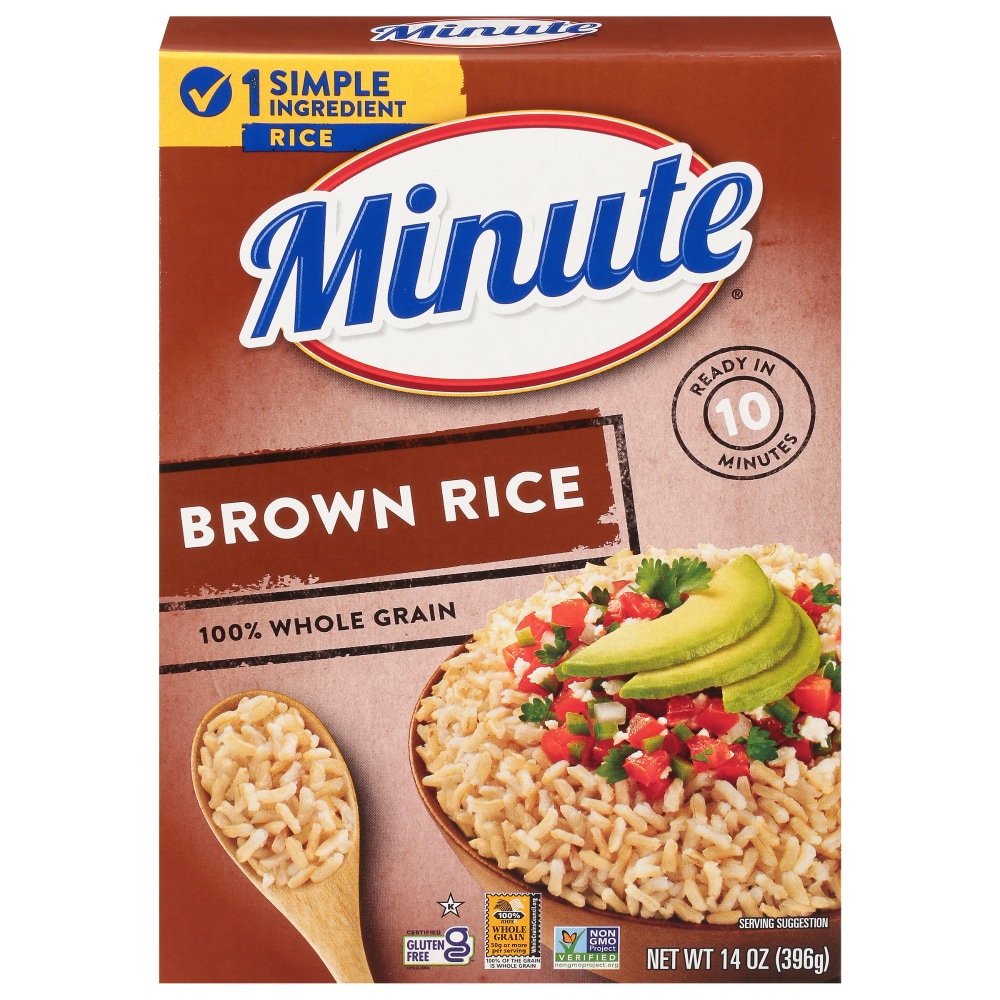
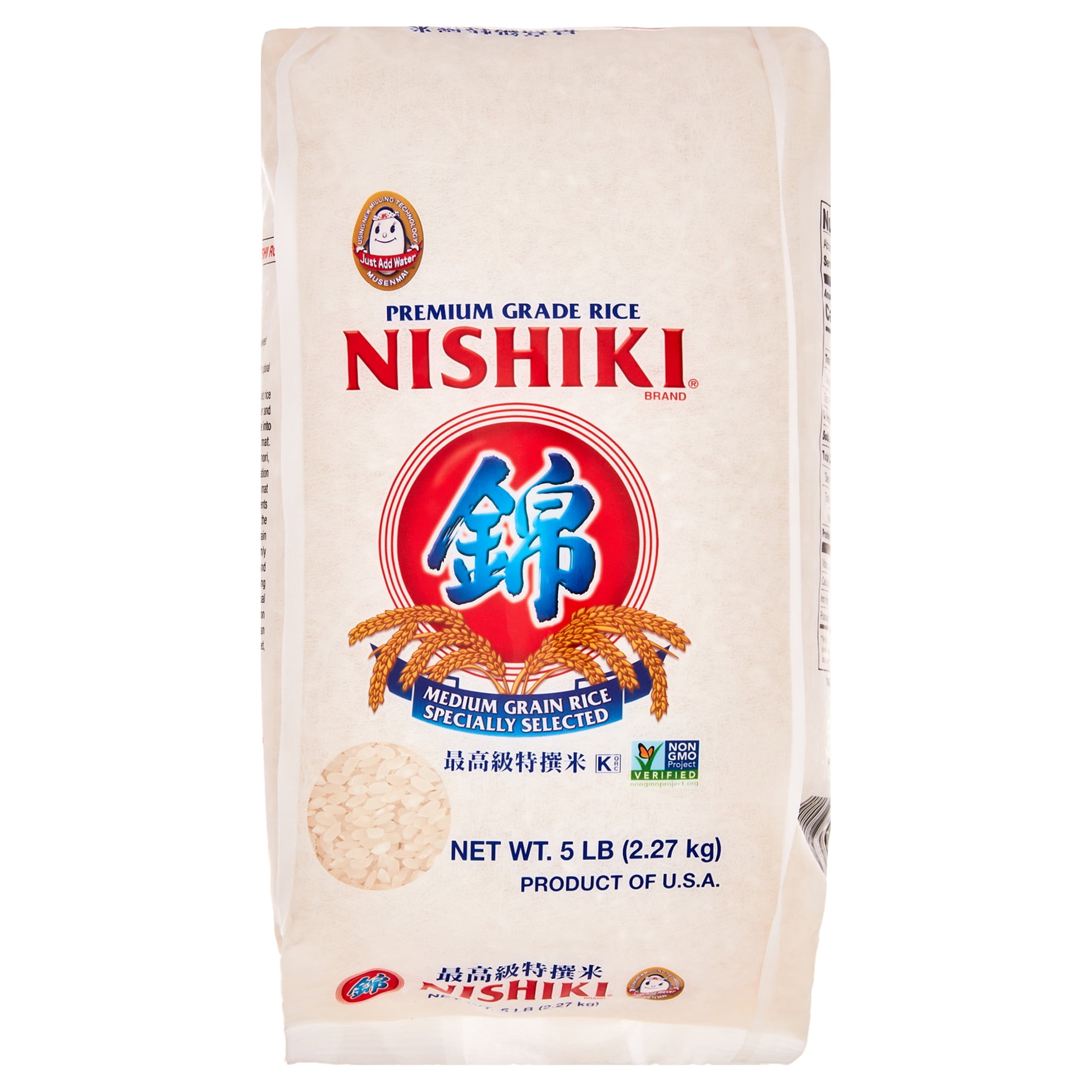
Enriched Long Grain Rice

At a glance
Summary
Enriched Long Grain Rice is a processed food that includes added vitamins such as niacin, thiamine, and folic acid, which are beneficial for health. However, the processing level limits its score, as it is not a whole grain and lacks the nutritional benefits of less processed grains. The product does not contain harmful additives, but the enrichment process and lack of whole grain status prevent it from scoring higher. Its plastic packaging can shed microplastics into the food and lowers its score.
Key ingredients 5
NiacinGood
Niacin, also known as vitamin B3, is essential for energy metabolism and maintaining healthy skin and nerves. It is often added to foods to ensure adequate intake. Niacin is water-soluble and generally safe, but high doses can cause flushing.
Risks
High doses may cause skin flushing and, in rare cases, liver damage.
Benefits
Supports energy metabolism and is important for maintaining healthy skin and nerve function.
Long grain riceNeutral
Long grain rice is a staple carbohydrate source with a neutral impact on health. It is minimally processed and provides energy through carbohydrates. However, it lacks significant amounts of vitamins and minerals.
Benefits
Provides a source of energy through carbohydrates and is easy to digest.
Ferric phosphateNeutral
Ferric phosphate is an iron compound used to fortify foods and prevent iron deficiency. It is generally considered safe and effective for increasing iron intake. However, excessive iron intake can lead to toxicity.
Risks
Excessive consumption may lead to iron overload, which can cause health issues such as liver damage.
Benefits
Helps prevent iron deficiency anemia by increasing dietary iron intake.
Thiamine mononitrateNeutral
Thiamine mononitrate is a synthetic form of vitamin B1 used to fortify foods. It is essential for carbohydrate metabolism and nerve function. While beneficial, it is typically added in small amounts that pose no risk.
Benefits
Essential for carbohydrate metabolism and supports nerve function.
Folic acidNeutral
Folic acid is a synthetic form of vitamin B9 used to fortify foods and prevent neural tube defects in pregnancy. It is crucial for DNA synthesis and cell division. While beneficial, excessive intake can mask vitamin B12 deficiency.
Risks
Excessive intake may mask vitamin B12 deficiency symptoms.
Benefits
Prevents neural tube defects in pregnancy and supports DNA synthesis and cell division.
Processing
Processed Foods
Get the full breakdown in the Scout appTake Scout shopping
Scan any product to see lab results, healthy alternatives, and your personalized analysis.
Are you Best Choice? Fix an error Get the badge Get tested