



At a glance
Summary
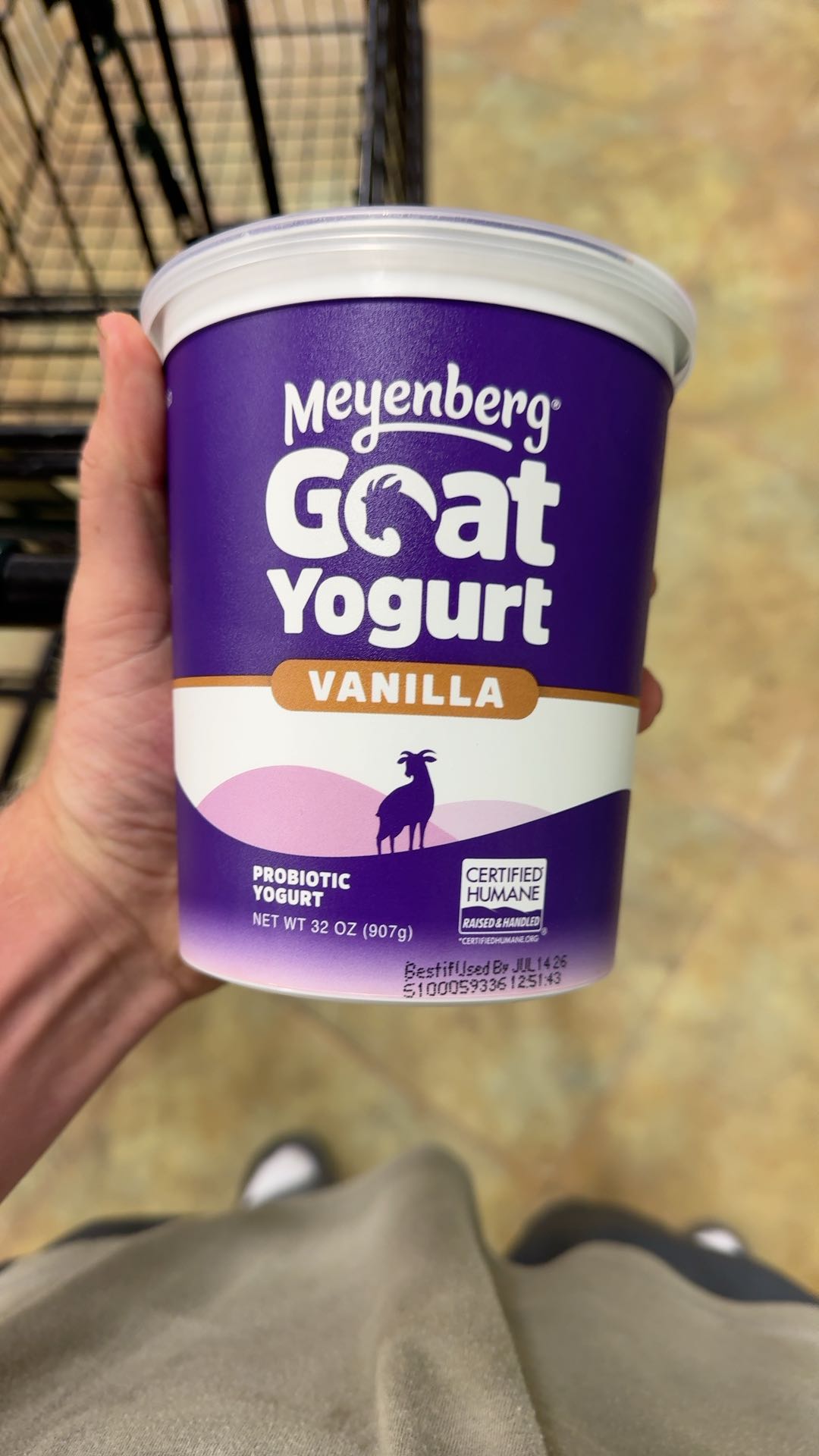
This yogurt is ultra-processed, which limits its potential health benefits despite containing some beneficial ingredients like cultured milk and natural colorants. The presence of added sugar and carrageenan, a controversial thickener, detracts from its nutritional profile. Additionally, the use of 'natural flavors' raises concerns about transparency and processing.
Key ingredients 11
Cultured pasteurized grade a low fat milkGood
This ingredient provides a source of protein and calcium, essential for bone health. Pasteurization ensures safety by eliminating harmful bacteria. Culturing adds probiotics, which can support gut health.
Benefits
Rich in protein and calcium, supporting bone health and muscle maintenance. Contains probiotics that may improve digestive health.
Annatto extract and turmericGood
These natural colorants are derived from plants and provide color without synthetic additives. Annatto is derived from the seeds of the achiote tree, and turmeric is known for its anti-inflammatory properties. They are preferable to artificial dyes.
Benefits
Turmeric contains curcumin, which has anti-inflammatory and antioxidant properties. Annatto is a natural alternative to synthetic dyes.
Vanilla extractGood
Beneficial ingredient — whole-food or functional value in this product class.
Benefits
Adds natural flavor and aroma without synthetic additives.
Vitamin d3Good
Beneficial ingredient — whole-food or functional value in this product class.
Benefits
Supports bone health and immune function by aiding calcium absorption.
PectinNeutral
Pectin is a natural gelling agent derived from fruits, used to improve texture. It is generally recognized as safe and is a source of dietary fiber. It is minimally processed compared to synthetic alternatives.
Benefits
Provides dietary fiber, which can aid in digestion.
Citric acidNeutral
Citric acid is used as a preservative and to add tartness. It is naturally found in citrus fruits but is often industrially produced. It is generally considered safe but can cause irritation in sensitive individuals.
Risks
May cause irritation or allergic reactions in sensitive individuals.
Benefits
Acts as a preservative, extending shelf life and maintaining flavor.
Vitamin a palmitateNeutral
Vitamin A palmitate is added to fortify the product with vitamin A. It is a synthetic form of vitamin A used to prevent deficiencies. It is generally considered safe in regulated amounts.
Risks
Excessive intake can lead to hypervitaminosis A, but this is unlikely from food sources alone.
Benefits
Helps maintain healthy vision and immune function.
SugarBad
Refined sugar is added for sweetness but contributes to empty calories. Excessive consumption can lead to weight gain and increased risk of metabolic diseases. It lacks nutritional benefits compared to natural sweeteners.
Risks
High intake of refined sugar is linked to obesity, type 2 diabetes, and heart disease.
Modified food starchBad
Chemically modified starch additive.
See more about Modified food starch →Natural flavorBad
Natural flavors are used to enhance taste but can be a catch-all for various additives. They are highly processed and lack transparency. Consumers may be unaware of the specific substances used.
Risks
Potential allergens or sensitivities may be present without clear labeling.
CarrageenanBad
Carrageenan is used as a thickener and stabilizer but is linked to digestive issues. It is derived from red seaweed but can cause inflammation in the gut. Its safety is debated, especially for those with gastrointestinal sensitivities.
Risks
Linked to gut inflammation and may exacerbate digestive disorders.
Processing
Ultra-Processed Foods
Get the full breakdown in the Scout appTake Scout shopping
Scan any product to see lab results, healthy alternatives, and your personalized analysis.
Download on theApp Store GET IT ONGoogle Play