


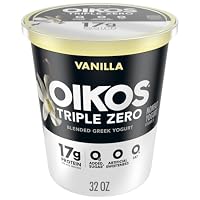


Oikos Pro Strawberry-Banana
OikosAnalysis updated August 2026 · How Scout scores
At a glance
Summary
This yogurt product is ultra-processed, which limits its potential health score despite its high protein content and beneficial ingredients like ultrafiltered skim milk and milk protein concentrate. The presence of artificial sweeteners such as sucralose and acesulfame potassium raises concerns about potential metabolic effects and gut health. Additionally, the use of 'natural flavors' adds to the lack of transparency in the ingredient list.
Key ingredients 12
Ultrafiltered skim milkGood
Ultrafiltered skim milk is a high-protein, low-fat dairy product. The ultrafiltration process removes some lactose and water, concentrating the protein content. It provides essential nutrients like calcium and vitamin D.
Benefits
Rich in protein and essential nutrients like calcium and vitamin D, supporting bone health and muscle maintenance.
Milk protein concentrateGood
Milk protein concentrate is a concentrated source of milk proteins, primarily casein and whey. It is used to boost protein content in foods and is minimally processed. It provides a complete amino acid profile beneficial for muscle repair.
Benefits
Provides a complete amino acid profile, supporting muscle repair and growth. It is a high-quality protein source.
CreamGood
Cream is a dairy product rich in fats and provides a creamy texture and flavor. It contains fat-soluble vitamins like A and D. When used in moderation, it can enhance the nutritional profile of dairy products.
Risks
High in saturated fats, which should be consumed in moderation to maintain heart health.
Benefits
Provides fat-soluble vitamins and enhances the texture and flavor of dairy products.
Sea saltGood
Sea salt is a minimally processed salt that retains trace minerals. It is used to enhance flavor and provide essential sodium. Its natural mineral content can be beneficial compared to refined table salt.
Risks
Excessive sodium intake can lead to hypertension and cardiovascular issues.
Benefits
Provides essential sodium and trace minerals, enhancing flavor and nutritional profile.
Vitamin D3Good
Vitamin D3 is a form of vitamin D used to fortify foods, supporting bone health and immune function. It is essential for calcium absorption and maintaining healthy bones. Fortification helps prevent vitamin D deficiency, especially in populations with limited sun exposure.
Benefits
Supports bone health and immune function, essential for calcium absorption and maintaining healthy bones.
Soluble corn fiberNeutral
Soluble corn fiber is a type of dietary fiber used to increase fiber content in foods. It is derived from corn and is considered a functional fiber. It may aid in digestive health by promoting regularity.
Risks
Excessive consumption may lead to digestive discomfort such as bloating or gas.
Benefits
May aid in digestive health by promoting regularity and increasing fiber intake.
Fruit and vegetable juice concentrateNeutral
Fruit and vegetable juice concentrates are used for natural coloring and flavoring. They are derived from whole fruits and vegetables but are processed to remove water content. They provide color without artificial additives.
Benefits
Provides natural coloring and flavoring without artificial additives.
Lactase enzymeNeutral
Lactase enzyme is added to dairy products to help break down lactose, making them suitable for lactose-intolerant individuals. It is a natural enzyme that aids in lactose digestion. It improves the digestibility of dairy products for those with lactose intolerance.
Benefits
Improves digestibility of dairy products for lactose-intolerant individuals.
Vitamin A palmitateNeutral
Vitamin A palmitate is a synthetic form of vitamin A used to fortify foods. It is essential for vision, immune function, and skin health. It is added to ensure adequate vitamin A intake in fortified foods.
Risks
Excessive intake can lead to hypervitaminosis A, a condition of vitamin A toxicity.
Benefits
Essential for vision, immune function, and skin health, ensuring adequate intake in fortified foods.
Natural flavorBad
Natural flavors are additives used to enhance taste, but their exact composition is often undisclosed. They can contain a variety of compounds derived from natural sources. The lack of transparency can be concerning for consumers seeking to avoid certain additives.
Risks
Potential allergenicity and lack of transparency in ingredient composition.
SucraloseBad
Sucralose is an artificial sweetener used to provide sweetness without calories. It is chemically altered to be non-caloric and is much sweeter than sugar. Concerns exist about its impact on gut health and potential metabolic effects.
Risks
May affect gut microbiota and has potential metabolic effects when consumed in large amounts.
Benefits
Provides sweetness without adding calories, which can be beneficial for calorie reduction.
Acesulfame potassiumBad
Acesulfame potassium is an artificial sweetener used to enhance sweetness without calories. It is often used in combination with other sweeteners. There are concerns about its long-term health effects and potential impact on metabolism.
Risks
Potential long-term health effects and impact on metabolism when consumed in large quantities.
Benefits
Provides sweetness without adding calories, useful for reducing sugar intake.
Processing
Ultra-Processed Foods
Get the full breakdown in the Scout appTake Scout shopping
Scan any product to see lab results, healthy alternatives, and your personalized analysis.
Download on theApp Store GET IT ONGoogle PlayAmazon pricing & content
Amazon price as of . Product prices and availability are accurate as of the date/time indicated and are subject to change. Any price and availability information displayed on Amazon.com at the time of purchase will apply to the purchase of this product.
CERTAIN CONTENT THAT APPEARS ON THIS SITE COMES FROM AMAZON. THIS CONTENT IS PROVIDED “AS IS” AND IS SUBJECT TO CHANGE OR REMOVAL AT ANY TIME.