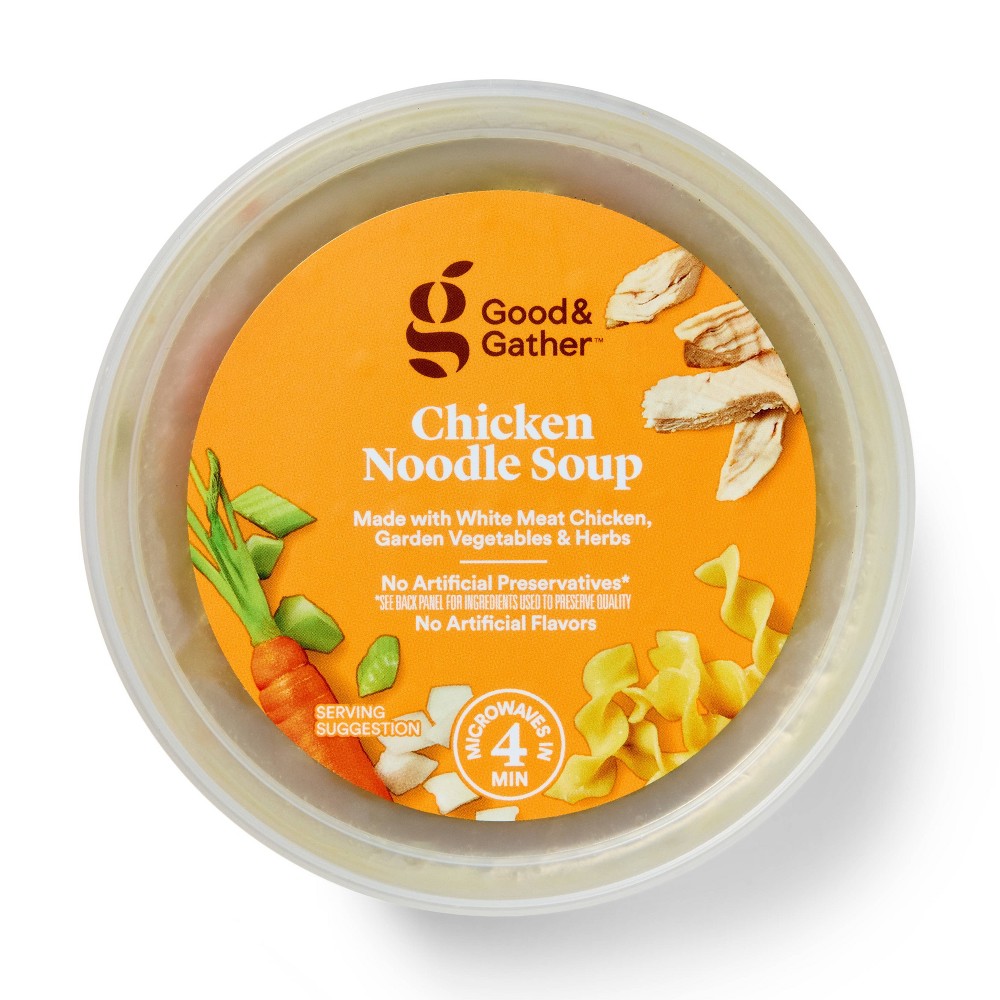
Chicken noodle condensed soup

At a glance
Summary
This chicken noodle condensed soup contains beneficial ingredients like chicken stock and carrots, which provide nutrients and flavor. However, it also includes sodium phosphate, a common additive in processed foods that can contribute to high sodium intake and potential health concerns. The product's processing level limits its score, as it is not minimally processed and contains additives to maintain texture and shelf life.
Key ingredients 13
Chicken stockGood
Chicken stock is a flavorful base that provides some protein and minerals. It is typically made by simmering chicken bones and vegetables, which can extract nutrients. The quality of the stock depends on the ingredients used and the cooking process.
Benefits
Provides flavor and some nutritional benefits such as protein and minerals from the bones.
CarrotsGood
Carrots are a nutritious vegetable rich in beta-carotene, fiber, and antioxidants. They are minimally processed and retain most of their nutrients when cooked. Carrots contribute to the overall nutritional profile of the soup.
Benefits
Rich in beta-carotene, which is converted to vitamin A in the body, supporting vision and immune function.
NiacinGood
Beneficial ingredient — whole-food or functional value in this product class.
Benefits
Supports energy metabolism and nervous system function.
Cooked white chicken meatNeutral
Cooked white chicken meat is a source of lean protein. It provides essential amino acids necessary for muscle repair and maintenance. The nutritional value depends on the quality of the chicken and cooking method.
Benefits
Provides lean protein essential for muscle repair and maintenance.
Enriched pastaNeutral
Enriched pasta is made from wheat flour and is fortified with vitamins and minerals like niacin and thiamin. It is a source of carbohydrates, providing energy. The enrichment process adds back some nutrients lost during processing.
Risks
May contribute to high carbohydrate intake if consumed in excess.
Benefits
Provides carbohydrates for energy and is fortified with essential vitamins and minerals.
Egg whiteNeutral
Egg white is a low-calorie source of high-quality protein. It contains essential amino acids and is free from fat and cholesterol. The protein in egg whites is easily digestible and supports muscle maintenance.
Benefits
Provides high-quality protein with essential amino acids.
Whole eggNeutral
Whole eggs provide a complete source of protein and contain essential nutrients like choline and vitamin D. They are a versatile ingredient used in many culinary applications. The yolk contains fats and cholesterol, which are important for various bodily functions.
Risks
May contribute to cholesterol intake if consumed in large quantities.
Benefits
Rich in protein and essential nutrients like choline and vitamin D.
Ferrous sulfateNeutral
Ferrous sulfate is an iron supplement used to fortify foods and prevent iron deficiency anemia. It is commonly added to enriched grains and cereals. Iron is essential for oxygen transport in the blood.
Risks
Excessive intake can lead to gastrointestinal issues and iron overload.
Benefits
Helps prevent iron deficiency anemia by providing a source of dietary iron.
ThiaminNeutral
Thiamin, or vitamin B1, is essential for energy metabolism and nerve function. It is often added to enriched foods to ensure adequate intake. Thiamin plays a crucial role in converting carbohydrates into energy.
Benefits
Supports energy metabolism and nerve function.
SaltNeutral
Salt is used to enhance flavor and preserve food. It is a source of sodium, which is essential for fluid balance and nerve function. Excessive intake can lead to health issues such as hypertension.
Risks
High sodium intake can contribute to hypertension and cardiovascular issues.
Benefits
Enhances flavor and acts as a preservative.
Wheat flourBad
Refined grain flour stripped of bran and germ.
Risks
May cause issues for individuals with gluten intolerance or celiac disease.
Benefits
Provides carbohydrates and some protein, contributing to energy intake.
Modified food starchBad
Chemically modified starch additive.
Benefits
Improves texture and stability of food products.
Sodium phosphateBad
Sodium phosphate is used as an emulsifier and preservative in processed foods. It can contribute to high sodium intake and may affect kidney function in sensitive individuals. Its use is common in processed foods to maintain texture and extend shelf life.
Risks
May contribute to high sodium intake and affect kidney function in sensitive individuals.
Benefits
Helps maintain texture and extend shelf life of processed foods.
Processing
Processed Foods
Get the full breakdown in the Scout appTake Scout shopping
Scan any product to see lab results, healthy alternatives, and your personalized analysis.
Are you Winco Foods? Fix an error Get the badge Get tested