
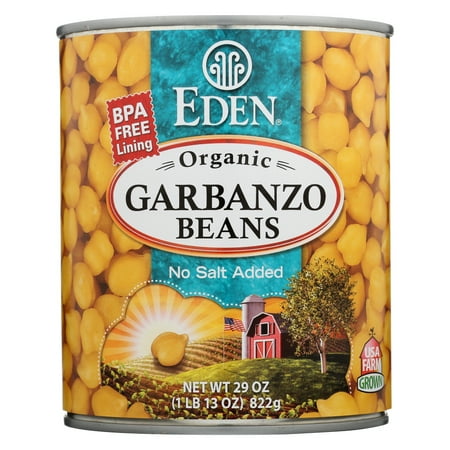

Garbanzo Beans

WinCo Foods
60 Fair
View on Amazon

Summary

This product contains garbanzo beans, which are nutritious and provide protein and fiber. However, it is heavily processed with additives like sodium metabisulfite and disodium EDTA, which are used for preservation and color retention but can pose health risks. The presence of these additives and the high level of processing significantly impact the overall healthiness of the product.

At a glance

Beneficial ingredients 1
Harmful ingredients 3
Owned by Winco Foods, Inc.
Category Beans

Key ingredients 7

Prepared garbanzo beans
Good

Garbanzo beans are a nutritious legume rich in protein and fiber. They provide essential vitamins and minerals such as folate, iron, and magnesium. Their consumption supports digestive health and helps maintain stable blood sugar levels.

Benefits

Rich in protein and fiber, which support muscle health and digestion. Contains essential nutrients that contribute to overall health.

Water
Neutral

Water is used as a solvent and carrier in food products. It is essential for hydration and does not contribute any calories or nutrients. In this context, it serves as a medium for cooking and preserving the beans.

See more about Water →
Salt
Neutral

Salt is used to enhance flavor and preserve food. It is a common additive in canned goods to maintain taste and shelf life. Excessive consumption can lead to health issues such as hypertension.

Risks

High sodium intake may increase the risk of hypertension and cardiovascular diseases.

Benefits

Enhances flavor and acts as a preservative in food products.

See more about Salt →
Calcium chloride
Neutral

Calcium chloride is used as a firming agent in canned foods. It helps maintain the texture of the beans during processing and storage. It is generally recognized as safe when used in food products.

Benefits

Helps maintain the firmness and texture of canned beans.

See more about Calcium chloride →
Sodium metabisulfite
Bad

Sodium metabisulfite is used as a preservative and color retention agent in foods. It can cause allergic reactions in sensitive individuals, particularly those with asthma. Its use is regulated due to potential health concerns.

Risks

May cause allergic reactions and respiratory issues in sensitive individuals.

Benefits

Helps preserve color and extend shelf life of food products.

Disodium EDTA
Bad

Disodium EDTA is a chelating agent used to preserve color and flavor in processed foods. It can bind to metals and prevent oxidation, but its consumption in large amounts may pose health risks. It is considered safe in small quantities but is heavily processed.

Risks

May cause gastrointestinal issues and interfere with nutrient absorption if consumed in large amounts.

Benefits

Prevents oxidation and maintains color and flavor in food products.

See more about Disodium EDTA →
Sulfite tiner
Very Bad

Sulfite tiner is likely a misspelling or mislabeling of sulfites, which are used as preservatives. Sulfites can cause severe allergic reactions in sensitive individuals, particularly those with asthma. Their use is restricted in many countries due to potential health risks.

Risks

Can cause severe allergic reactions and respiratory issues in sensitive individuals.

Processing

Group 4 · Ultra-processed

Ultra-Processed Foods

Get the full breakdown in the Scout app

Scan any product to see lab results, healthy alternatives, and your personalized analysis.

Download on theApp Store