




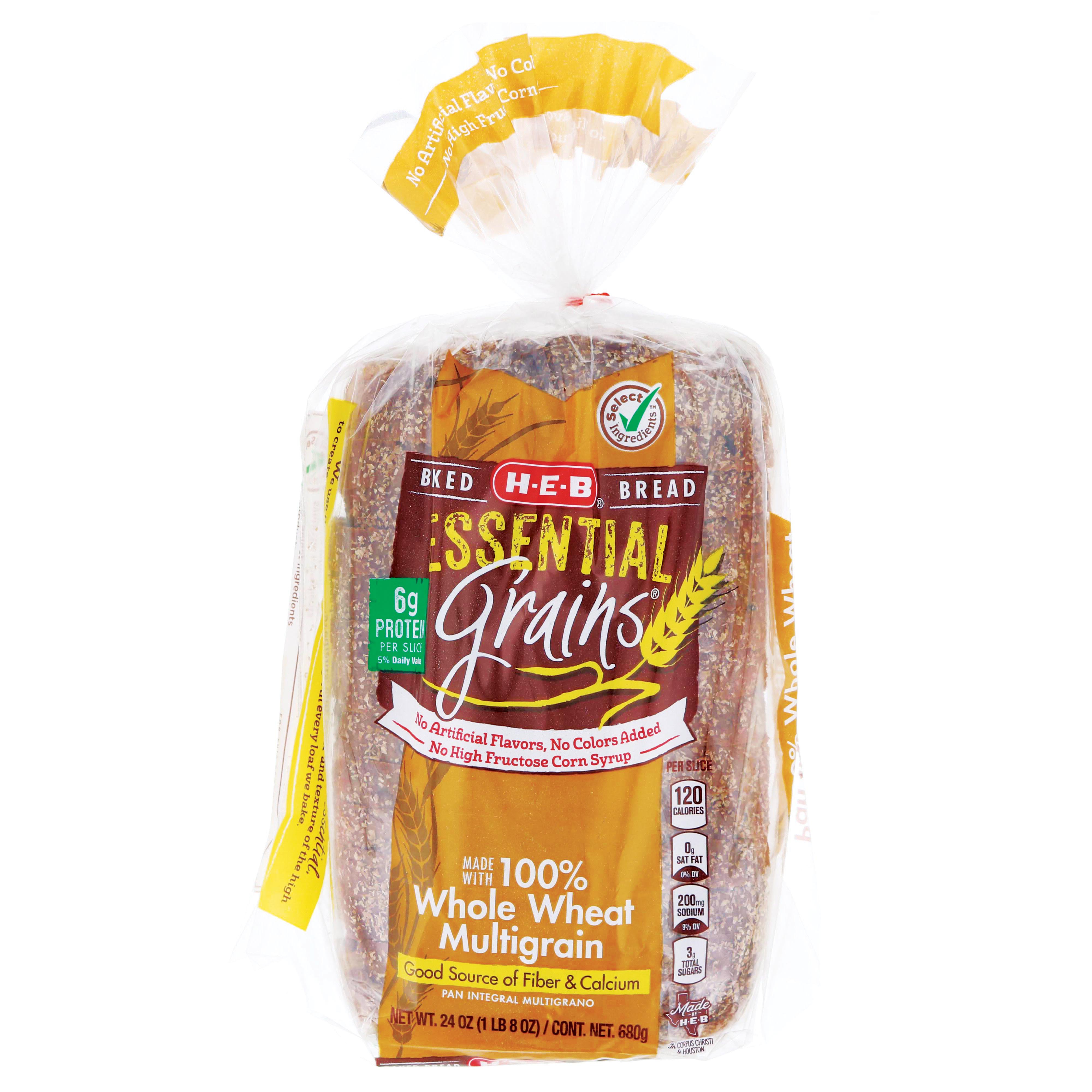
Wheat Bread
Summary
This wheat bread contains a mix of beneficial ingredients such as honey, unsalted butter, and eggs, which contribute to its nutritional value and flavor. However, the presence of vegetable oil, which is often highly processed, slightly detracts from its health profile. The bread is moderately processed, which limits its score, but the overall ingredient quality remains relatively high.
At a glance
Key ingredients 14
Warm waterNeutral
Warm water is used to activate yeast and hydrate the dough. It is a basic component in bread making with no nutritional impact. It serves as a medium for other ingredients to interact.
Active dry yeastGood
Active dry yeast is a leavening agent that helps the bread rise. It contributes to the texture and flavor of the bread. Yeast also provides some B vitamins and minerals.
Benefits
Provides B vitamins and minerals, and contributes to the bread's texture and flavor.
HoneyGood
Honey is a natural sweetener that adds flavor and moisture to the bread. It contains antioxidants and has antibacterial properties. Unlike refined sugars, honey offers trace nutrients.
Risks
Excessive consumption can contribute to high sugar intake.
Benefits
Contains antioxidants and trace nutrients, and provides natural sweetness.
Bread flourNeutral
Bread flour is high in protein, which helps develop gluten for a chewy texture. It is a refined flour, lacking the fiber and nutrients of whole grain flour. It is essential for the structure of the bread.
Risks
Refined flour can contribute to blood sugar spikes.
Benefits
Provides structure and texture to the bread due to its high protein content.
Unsalted butterGood
Unsalted butter adds richness and flavor to the bread. It contains fat-soluble vitamins like A, D, E, and K. Using unsalted butter allows for better control of sodium levels.
Risks
High in saturated fats, which should be consumed in moderation.
Benefits
Provides fat-soluble vitamins and enhances flavor and texture.
Fresh lemon juiceGood
Fresh lemon juice can enhance flavor and act as a natural preservative. It contains vitamin C and antioxidants. It may also help improve the texture of the bread.
Benefits
Rich in vitamin C and antioxidants, and acts as a natural preservative.
Vegetable oilBad
Vegetable oil is often highly processed and can contain high levels of omega-6 fatty acids. These oils can contribute to inflammation when consumed in excess. It is used to add moisture and extend shelf life.
Risks
High omega-6 content may promote inflammation when consumed in excess.
Benefits
Provides moisture and extends the shelf life of the bread.
MolassesGood
Molasses is a natural sweetener that adds a rich flavor and color to the bread. It contains minerals like iron, calcium, and magnesium. It is less refined than white sugar, retaining more nutrients.
Risks
Excessive consumption can contribute to high sugar intake.
Benefits
Contains minerals and provides a rich flavor and color.
Maple syrupGood
Maple syrup is a natural sweetener that adds flavor and moisture. It contains antioxidants and some minerals like manganese and zinc. It is less processed than refined sugar.
Risks
Excessive consumption can contribute to high sugar intake.
Benefits
Contains antioxidants and minerals, and provides natural sweetness.
Wheat flourNeutral
Wheat flour is a staple ingredient in bread, providing structure and texture. It is a refined flour, lacking the fiber and nutrients of whole grain flour. It is essential for the bread's consistency.
Risks
Refined flour can contribute to blood sugar spikes.
Benefits
Provides structure and texture to the bread.
SugarNeutral
Sugar is used to enhance flavor and aid in yeast fermentation. It is a refined carbohydrate with no significant nutritional benefits. It contributes to the browning of the crust.
Risks
Excessive consumption can lead to health issues like obesity and diabetes.
Benefits
Aids in yeast fermentation and contributes to crust browning.
SaltNeutral
Salt is used to enhance flavor and control yeast activity. It is essential for the development of gluten structure. It also acts as a preservative.
Risks
Excessive sodium intake can lead to high blood pressure.
Benefits
Enhances flavor and helps control yeast activity.
MilkGood
Milk adds moisture and richness to the bread. It contains calcium, protein, and vitamins like B12. It contributes to a softer crumb and improved crust color.
Risks
Lactose intolerance can cause digestive issues for some individuals.
Benefits
Provides calcium, protein, and vitamins, and enhances texture and flavor.
EggGood
Eggs add richness, flavor, and structure to the bread. They are a source of high-quality protein and essential nutrients like choline. Eggs help bind ingredients and improve texture.
Risks
Allergies to eggs can cause adverse reactions in some individuals.
Benefits
Provides high-quality protein and essential nutrients, and enhances texture and structure.
Processing
Processed Foods
Get the full breakdown in the Scout app
Scan any product to see lab results, healthy alternatives, and your personalized analysis.
Download on theApp Store