


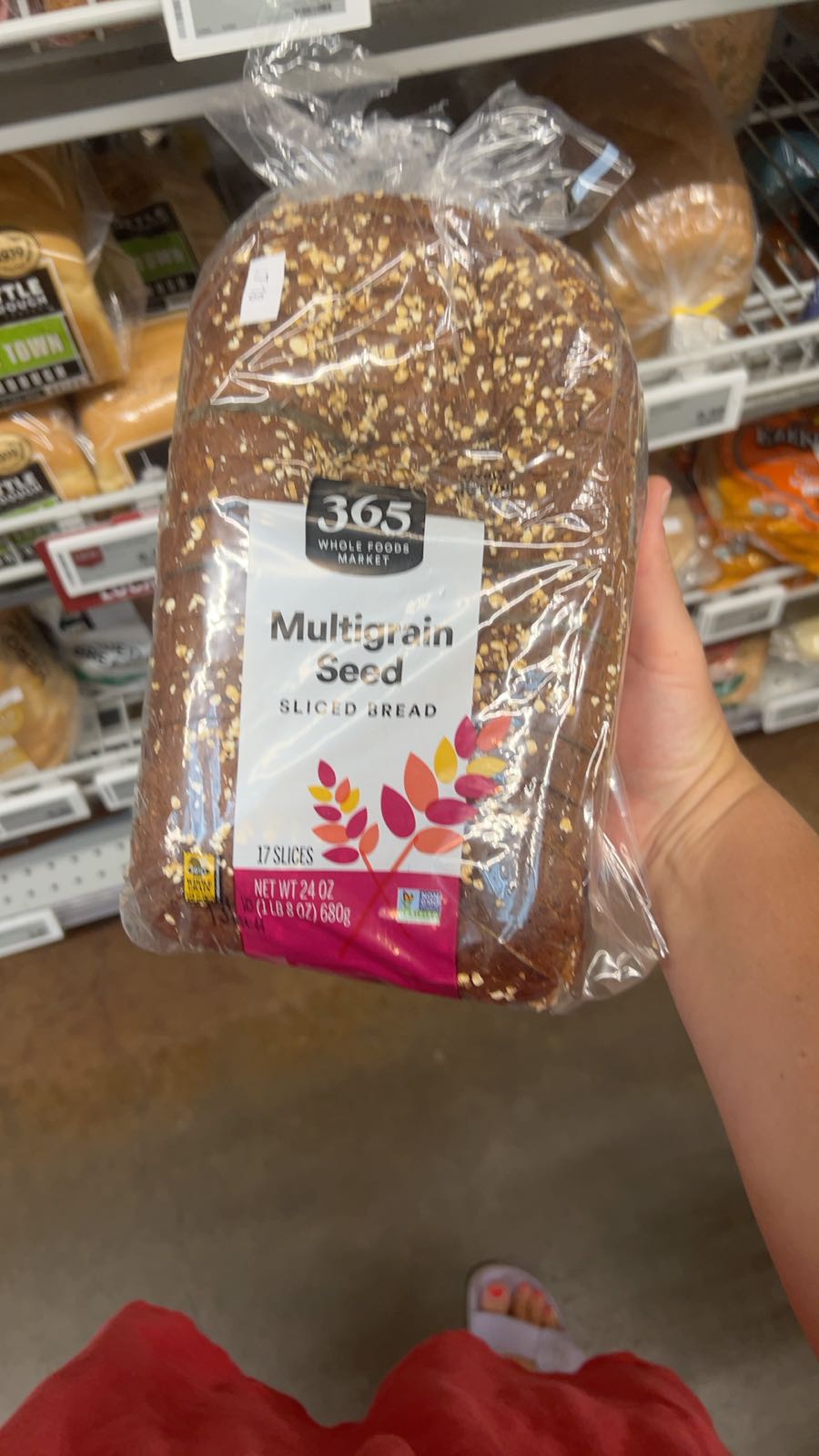


22 GRAINS & SEEDS THIN - SLICED BREAD
Summary
This bread contains a variety of beneficial seeds and whole grains, which contribute to its nutritional value. However, the presence of soybean oil, a highly processed seed oil, and natural flavors, which lack transparency, detract from its healthiness. Additionally, the product is highly processed, which limits its overall score despite the presence of nutritious ingredients.
At a glance
Key ingredients 11
Whole Wheat FlourGood
Whole wheat flour is a source of complex carbohydrates and dietary fiber. It retains the bran and germ, providing essential nutrients like B vitamins and minerals. Compared to refined flour, it offers better nutritional value and supports digestive health.
Risks
May cause digestive issues for individuals with gluten intolerance or celiac disease.
Benefits
Rich in fiber, which aids in digestion and helps maintain stable blood sugar levels.
FlaxseedVery Good
Flaxseed is high in omega-3 fatty acids and lignans, which have anti-inflammatory properties. It is also a good source of dietary fiber, promoting heart health and digestive regularity. The seeds are often ground to improve nutrient absorption.
Risks
Excessive consumption may lead to digestive discomfort due to high fiber content.
Benefits
Provides omega-3 fatty acids that support cardiovascular health and may reduce inflammation.
Sunflower SeedsGood
Sunflower seeds are rich in healthy fats, protein, and vitamin E. They provide antioxidants that protect cells from damage and support skin health. The seeds are often roasted to enhance flavor and nutrient availability.
Risks
High in calories and fat, which may contribute to weight gain if consumed in excess.
Benefits
Contains vitamin E, an antioxidant that supports immune function and skin health.
Pumpkin SeedsGood
Pumpkin seeds are a good source of magnesium, zinc, and healthy fats. They support heart health and provide essential nutrients for bone health. The seeds are often roasted to improve flavor and digestibility.
Risks
May cause allergic reactions in sensitive individuals.
Benefits
Rich in magnesium, which is important for muscle and nerve function.
Chia SeedsVery Good
Chia seeds are high in omega-3 fatty acids, fiber, and protein. They help maintain heart health and support digestive function. When soaked, they form a gel-like consistency that aids in hydration and nutrient absorption.
Risks
May cause digestive issues if consumed in large quantities without adequate hydration.
Benefits
Provides omega-3 fatty acids and fiber, promoting cardiovascular and digestive health.
Soybean OilVery Bad
Soybean oil is a highly processed seed oil with a high omega-6 fatty acid content. Excessive omega-6 intake can promote inflammation and is linked to various health issues. It is often extracted using chemical solvents, which may leave residues.
Risks
High omega-6 content may promote inflammation when consumed in excess.
Natural FlavorsBad
Natural flavors are a catch-all term for flavoring agents derived from natural sources. They are often highly processed and can contain numerous chemical components. The lack of transparency in their composition raises concerns about potential allergens and additives.
Risks
Potential allergens and additives may be present, posing health risks to sensitive individuals.
Cane SugarNeutral
Cane sugar is a refined sugar used as a sweetener in many foods. It provides quick energy but lacks essential nutrients. While it is a natural sugar, excessive consumption can lead to health issues like obesity and diabetes.
Risks
Excessive intake can contribute to obesity, diabetes, and other metabolic disorders.
Benefits
Provides quick energy but lacks significant nutritional benefits.
YeastNeutral
Yeast is used in baking to leaven bread, contributing to its texture and flavor. It is a natural ingredient that helps dough rise by producing carbon dioxide. While it plays a crucial role in bread-making, it does not provide significant nutritional benefits.
Benefits
Essential for leavening bread, contributing to texture and flavor.
Sea SaltGood
Unrefined sea salt — a minimally processed, natural source of sodium and essential trace minerals, and a legitimate whole-food seasoning. Treated as a positive ingredient.
Risks
Excessive consumption may contribute to hypertension and cardiovascular diseases.
Benefits
Contains trace minerals that may offer slight nutritional benefits over regular table salt.
Citric AcidNeutral
Citric acid is a natural preservative and flavor enhancer found in citrus fruits. It is commonly used to add acidity and preserve freshness in foods. While generally recognized as safe, excessive consumption may cause digestive discomfort.
Risks
Excessive intake may cause digestive discomfort in sensitive individuals.
Benefits
Acts as a natural preservative and flavor enhancer, extending shelf life and improving taste.
Processing
Ultra-Processed Foods
Get the full breakdown in the Scout app
Scan any product to see lab results, healthy alternatives, and your personalized analysis.
Download on theApp Store