


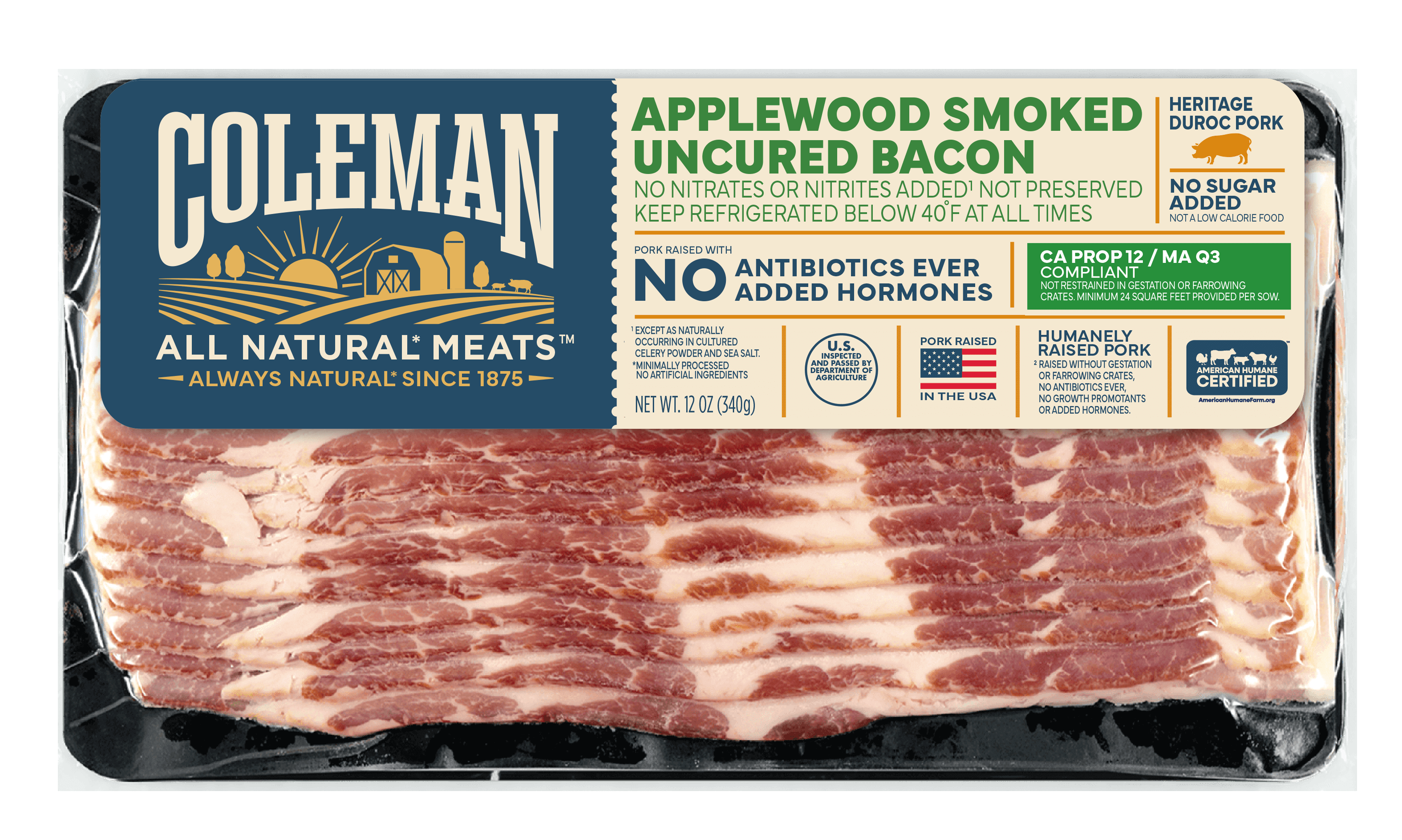
Fully Cooked Smoked Honey Uncured Ham
Analysis updated July 2026 · How Scout scores
At a glance
Summary
This product is a processed food with a mix of beneficial and harmful ingredients. It contains high-quality pork and natural preservatives like celery and cherry powder, which are positive aspects. However, the presence of added sugar and sodium phosphate, along with its processed nature, limits its healthfulness and overall score.
Key ingredients 10
PorkGood
Pork is a high-quality source of protein and essential nutrients. It provides a rich amino acid profile necessary for muscle maintenance and repair. When sourced from well-raised animals, it can be a nutritious part of a balanced diet.
Risks
Potential risks include high saturated fat content and the presence of nitrates if not uncured.
Benefits
Rich in protein and essential vitamins such as B12, which supports energy metabolism and neurological function.
HoneyGood
Honey is a natural sweetener with antioxidant properties. It contains trace amounts of vitamins and minerals. Its natural sugars provide a quick source of energy.
Risks
Excessive consumption can contribute to high sugar intake, which may lead to weight gain and metabolic issues.
Benefits
Contains antioxidants and has a lower glycemic index compared to refined sugar.
VinegarGood
Vinegar is a fermented product that can aid in digestion and has antimicrobial properties. It is often used as a preservative and flavor enhancer. Its acetic acid content may help in blood sugar regulation.
Benefits
May help improve digestion and has potential blood sugar-lowering effects.
Cherry PowderGood
Cherry powder is used for flavor and color enhancement and contains antioxidants. It is derived from cherries, which are rich in vitamins and phytochemicals. Its natural properties can contribute to the overall health profile of the product.
Benefits
Provides antioxidants and enhances flavor naturally.
WaterNeutral
Water is used as a processing aid and does not contribute nutritional value. It helps in maintaining moisture in the product. It is a neutral ingredient with no health risks or benefits.
See more about Water →SaltNeutral
Salt is used for flavor enhancement and preservation. It is essential for maintaining fluid balance and nerve function. However, excessive intake can lead to hypertension.
Risks
High sodium intake is associated with increased blood pressure and cardiovascular risk.
Benefits
Essential for electrolyte balance and proper muscle function.
Celery PowderNeutral
Standard formulation ingredient — neither beneficial nor harmful at typical use.
Benefits
Acts as a natural preservative and provides some micronutrients.
SugarBad
Sugar is a refined carbohydrate that can contribute to increased calorie intake without providing essential nutrients. It is associated with various health issues such as obesity and dental cavities. Its presence in processed foods can lead to overconsumption.
Risks
High intake is linked to obesity, type 2 diabetes, and heart disease.
Sodium PhosphateBad
Sodium phosphate is used as an emulsifier and preservative in processed foods. It can enhance texture and moisture retention. However, excessive consumption may lead to imbalances in phosphate levels.
Risks
High phosphate intake can affect kidney function and bone health.
Benefits
Improves texture and shelf life of processed foods.
Natural FlavorBad
Umbrella term that can hide dozens of undisclosed synthetic constituents.
Risks
Potential allergenicity and lack of transparency in ingredient sourcing.
Benefits
Enhances flavor without adding calories.
Processing
Processed Foods
Get the full breakdown in the Scout appTake Scout shopping
Scan any product to see lab results, healthy alternatives, and your personalized analysis.
Download on theApp Store GET IT ONGoogle PlayAmazon pricing & content
Amazon price as of . Product prices and availability are accurate as of the date/time indicated and are subject to change. Any price and availability information displayed on Amazon.com at the time of purchase will apply to the purchase of this product.
CERTAIN CONTENT THAT APPEARS ON THIS SITE COMES FROM AMAZON. THIS CONTENT IS PROVIDED “AS IS” AND IS SUBJECT TO CHANGE OR REMOVAL AT ANY TIME.