

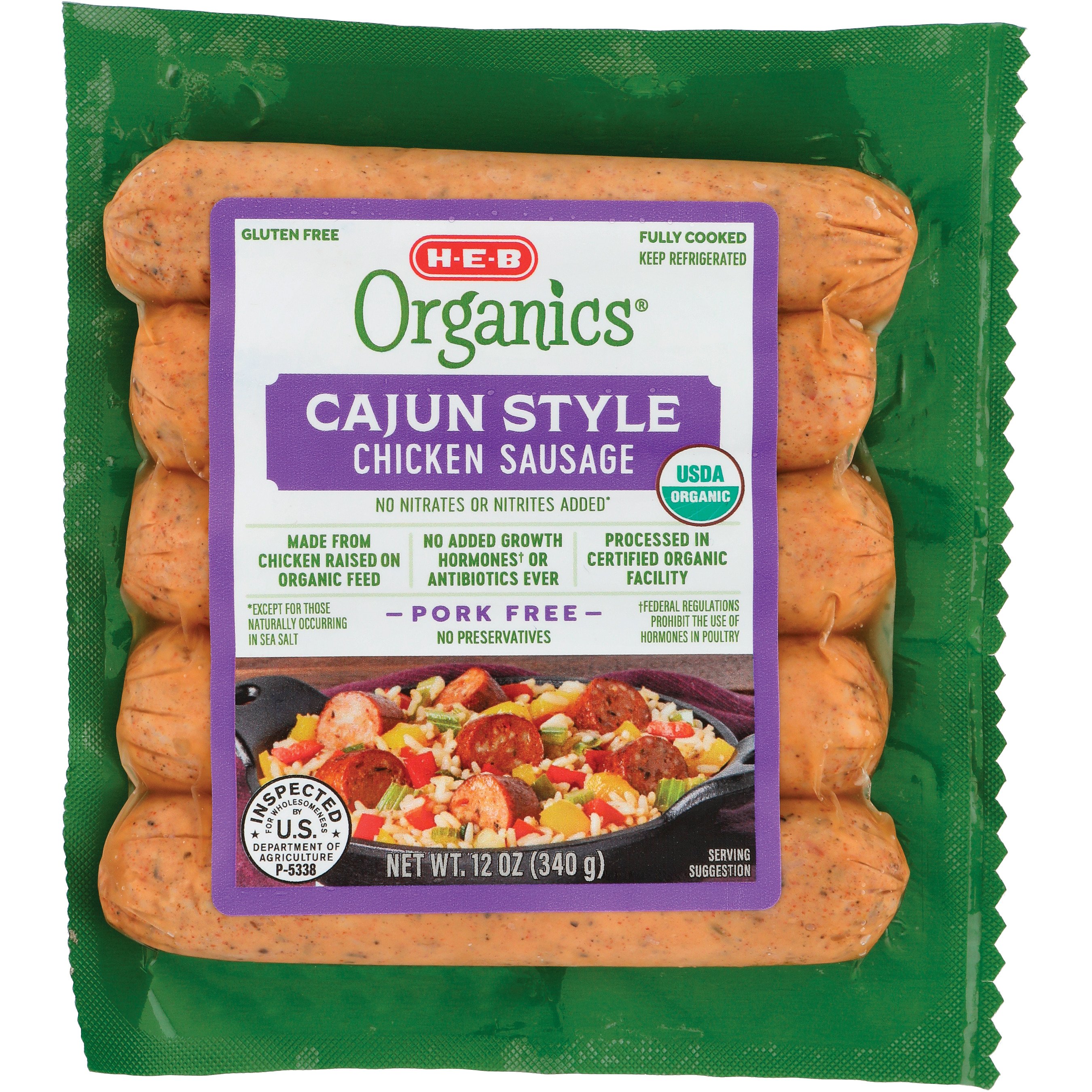


At a glance
Summary
This Polish Sausage is ultra-processed, which limits its health score despite containing beneficial ingredients like pork and beef. The presence of additives such as dextrose, sodium erythorbate, and natural flavors contributes to its processed nature, impacting the overall healthiness of the product. While it provides protein and essential nutrients, the processing level and use of additives prevent it from being rated higher.
Key ingredients 16
PorkGood
Pork is a rich source of high-quality protein and essential vitamins and minerals. It provides important nutrients like B vitamins and zinc. When sourced from well-raised animals, it can be a nutritious part of a balanced diet.
Risks
Potential risks include high saturated fat content and the possibility of contamination if not cooked properly.
Benefits
Provides essential amino acids and nutrients that support muscle growth and overall health.
BeefGood
Beef is a nutrient-dense source of protein, iron, and B vitamins. It supports muscle health and energy production. Grass-fed beef is particularly beneficial due to higher omega-3 content.
Risks
Excessive consumption may lead to increased cholesterol levels and heart disease risk.
Benefits
Rich in iron and protein, supporting muscle and blood health.
Sea SaltGood
Sea salt is a natural source of sodium and trace minerals. It is less processed than table salt and retains beneficial minerals. It enhances flavor without the need for excessive additives.
Risks
Excessive sodium intake can lead to hypertension and cardiovascular issues.
Benefits
Provides essential minerals and enhances food flavor naturally.
SpicesGood
Whole-food seasonings, antioxidant-bearing.
Benefits
May provide antioxidant benefits and enhance flavor.
GarlicGood
Whole food with well-documented cardiovascular and immune benefits.
Benefits
May offer antimicrobial benefits and enhance flavor.
PaprikaGood
Beneficial ingredient — whole-food or functional value in this product class.
Benefits
Provides antioxidants and enhances flavor.
WaterNeutral
Water is used as a filler and to maintain moisture in processed foods. It is a neutral ingredient with no direct health impact. Its presence is standard in many food products to improve texture.
See more about Water →Potassium LactateNeutral
Potassium lactate is used as a preservative and to enhance flavor. It is derived from lactic acid and potassium. It helps extend shelf life without significant health impacts.
Benefits
Helps maintain product freshness and flavor.
Celery Juice PowderNeutral
Celery juice powder is used as a natural preservative due to its nitrate content. It is a more natural alternative to synthetic nitrates. It contributes to the curing process in meats.
Risks
May still contribute to nitrate intake, which is a concern for some individuals.
Benefits
Provides a natural source of nitrates for preservation.
OnionNeutral
Onion is used for flavor and may provide some health benefits due to its antioxidant content. It is a common ingredient in many cuisines. Its health benefits are more pronounced when consumed in larger quantities.
Benefits
May offer antioxidant benefits and enhance flavor.
Sodium DiacetateNeutral
Sodium diacetate is used as a preservative and flavoring agent. It is a combination of sodium acetate and acetic acid. It helps maintain product stability and flavor.
Benefits
Helps maintain product stability and flavor.
Spice ExtractivesNeutral
Spice extractives are concentrated forms of spices used for flavor enhancement. They are generally considered safe and provide flavor without significant health impacts. Their benefits are limited to flavor enhancement in small quantities.
Benefits
Enhances flavor without significant health impacts.
Oleoresin Of PaprikaNeutral
Oleoresin of paprika is a concentrated extract used for color and flavor. It is derived from paprika and retains some antioxidant properties. Its health benefits are limited in the small quantities used in processed foods.
Benefits
Provides color and flavor with some antioxidant properties.
DextroseBad
Dextrose is a simple sugar that can contribute to increased blood sugar levels. It is often used as a sweetener or preservative in processed foods. Excessive consumption can lead to weight gain and metabolic issues.
Risks
High intake may increase the risk of obesity and type 2 diabetes.
Sodium ErythorbateBad
Sodium erythorbate is a synthetic antioxidant used to preserve color and flavor in processed meats. It is chemically derived and not naturally occurring. While generally recognized as safe, it is an additive that contributes to the processed nature of the product.
Risks
May cause gastrointestinal discomfort in sensitive individuals.
Benefits
Helps maintain product color and flavor stability.
Natural FlavorsBad
Natural flavors are used to enhance taste but lack transparency in their composition. They are often highly processed and can contain numerous compounds. This lack of clarity can be concerning for consumers seeking clean labels.
Risks
Potential for allergic reactions and lack of transparency in ingredient sourcing.
Benefits
Enhances flavor without adding calories.
Processing
Ultra-Processed Foods
Get the full breakdown in the Scout appTake Scout shopping
Scan any product to see lab results, healthy alternatives, and your personalized analysis.
Download on theApp Store GET IT ONGoogle Play