


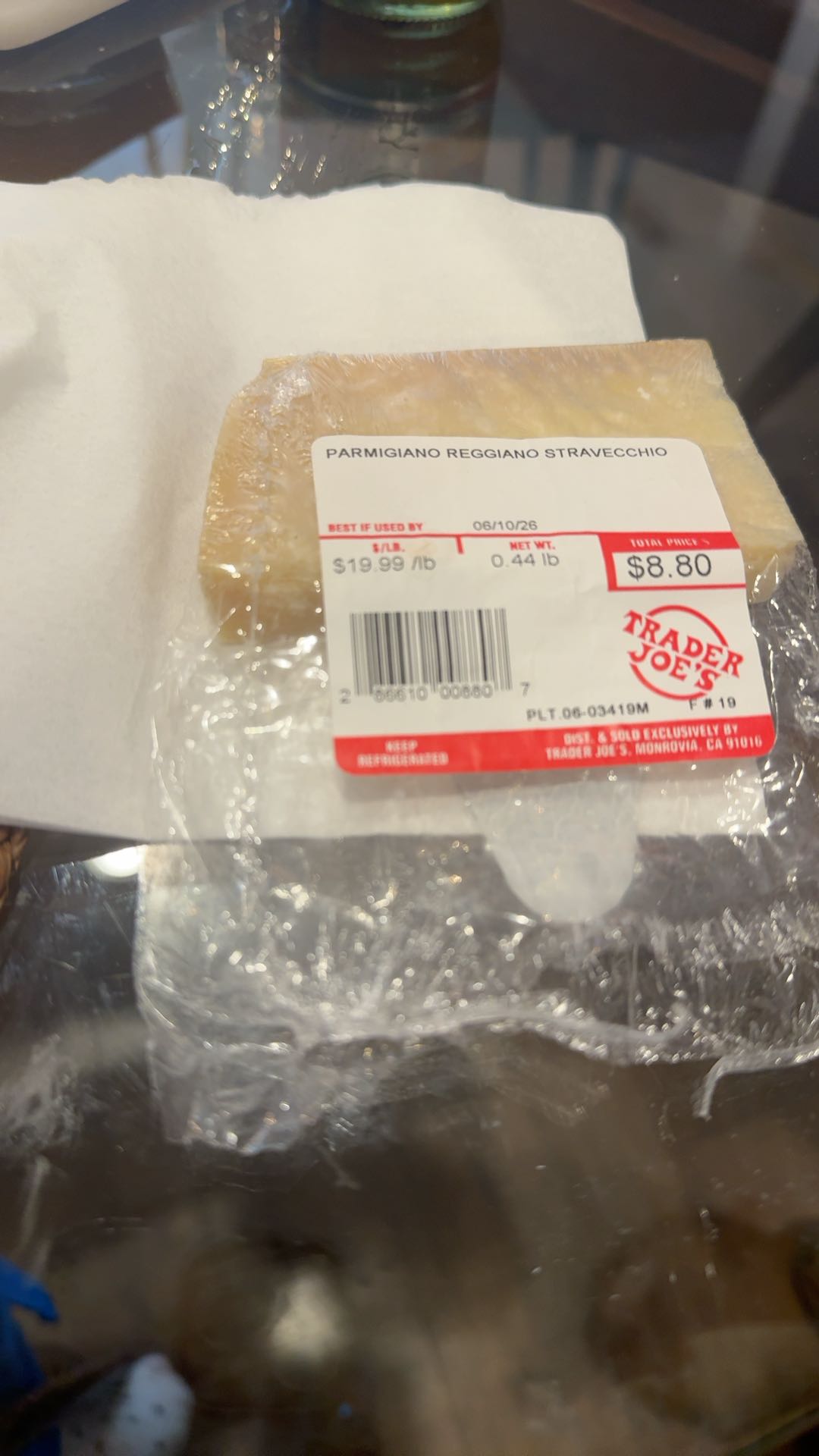
At a glance
Summary
This cheese is made from pasteurized sheep's milk, salt, bacterial cultures, and microbial enzymes, which are all high-quality ingredients with minimal processing. The product is a traditional cheese with a clean label, free from artificial additives or seed oils. Despite being processed, its simple ingredient list and nutrient-rich profile allow it to score well within its category.
Key ingredients 4
Pasteurized sheep's milkGood
Pasteurized sheep's milk is a high-quality source of protein and essential nutrients. It provides a rich flavor and is often easier to digest than cow's milk. The pasteurization process ensures safety by eliminating harmful bacteria.
Risks
Some individuals may be allergic to sheep's milk proteins.
Benefits
Rich in protein, calcium, and vitamins, supporting bone health and muscle function.
SaltNeutral
Salt is used as a preservative and flavor enhancer in cheese. It helps in the cheese aging process and prevents spoilage. However, excessive consumption of salt can lead to health issues.
Risks
High sodium intake can contribute to hypertension and cardiovascular diseases.
Benefits
Essential for maintaining fluid balance and nerve function in the body.
Bacterial culturesNeutral
Bacterial cultures are used in cheese making to ferment lactose and develop flavor. They are crucial for the texture and taste of the cheese. These cultures can also contribute to gut health.
Benefits
May support digestive health by promoting beneficial gut bacteria.
Microbial enzymesNeutral
Microbial enzymes are used to coagulate milk in cheese production. They are a vegetarian alternative to animal rennet. These enzymes are essential for the cheese-making process.
Benefits
Allows for the production of cheese suitable for vegetarians.
Processing
Processed Foods
Get the full breakdown in the Scout appTake Scout shopping
Scan any product to see lab results, healthy alternatives, and your personalized analysis.
Download on theApp Store GET IT ONGoogle Play