


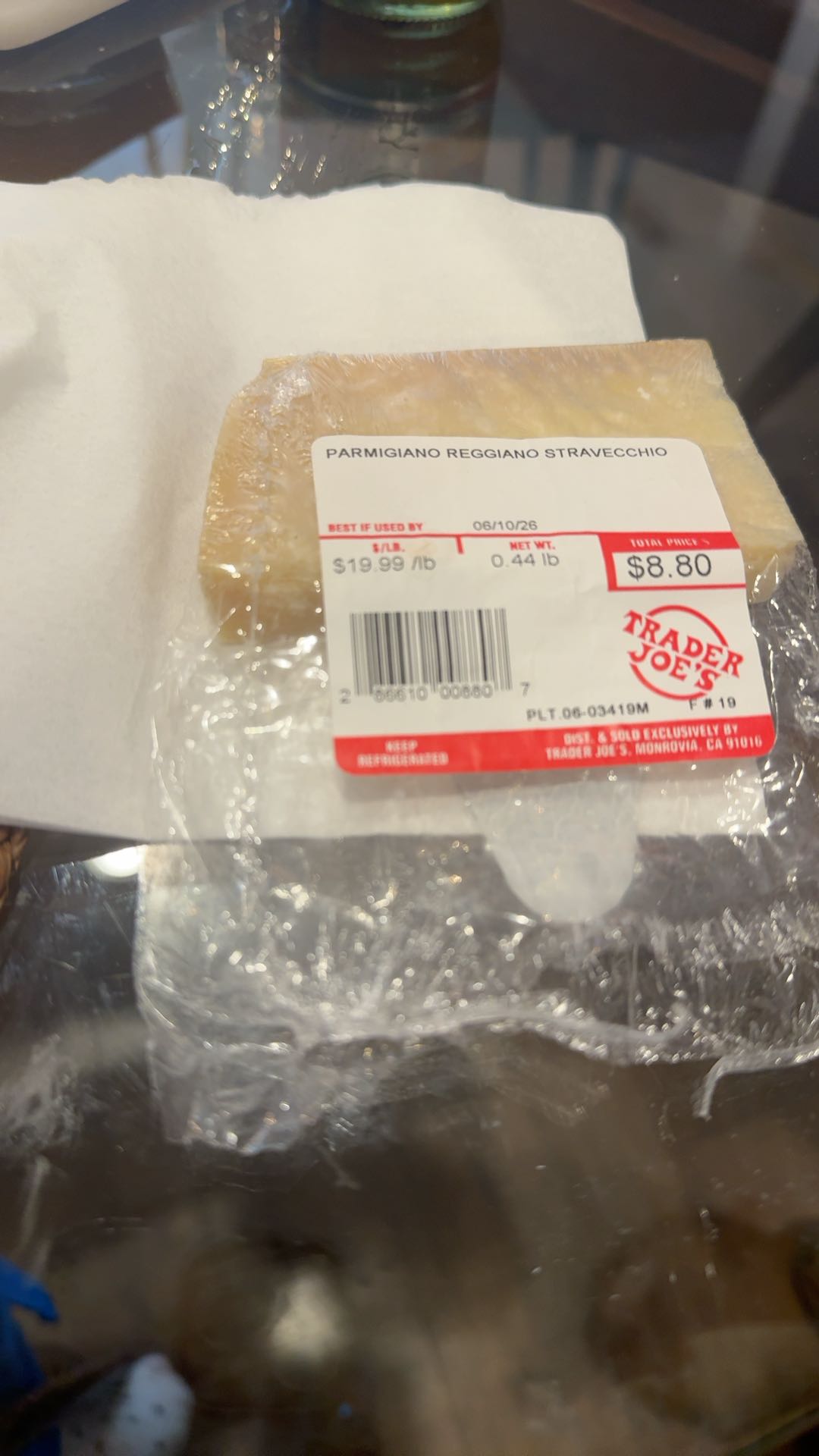
At a glance
Summary
This cheese product is made from pasteurized milk, cultures, salt, and microbial rennet, which are clean and high-quality ingredients for cheese production. The processing level is moderate, but the absence of harmful additives or seed oils supports a higher score within its category. The protective packaging helps maintain freshness without compromising ingredient integrity.
Key ingredients 5
Pasteurized milkGood
Pasteurized milk is a primary source of protein and calcium, essential for bone health. The pasteurization process ensures safety by eliminating harmful bacteria while retaining nutritional value. It is a high-quality ingredient in cheese production, providing a rich nutrient profile.
Benefits
Rich in protein and calcium, supporting bone health and muscle function. Provides essential vitamins and minerals necessary for overall health.
Starter cultureNeutral
Starter cultures are used in cheese making to initiate fermentation, contributing to flavor and texture. They are generally considered safe and beneficial for the fermentation process. The specific strains used can vary, impacting the final product's characteristics.
Benefits
Contributes to the development of flavor and texture in cheese. May provide probiotic benefits depending on the strains used.
SaltNeutral
Salt is used in cheese for flavor enhancement and preservation. It is a common ingredient in cheese production, helping to control moisture and inhibit bacterial growth. While necessary in cheese making, excessive consumption of salt can lead to health issues.
Risks
Excessive salt intake can contribute to high blood pressure and cardiovascular issues.
Benefits
Enhances flavor and acts as a preservative in cheese, contributing to its shelf life.
Microbial rennetNeutral
Microbial rennet is used to coagulate milk in cheese production, an alternative to animal-derived rennet. It is suitable for vegetarians and widely used in the cheese industry. The use of microbial rennet does not significantly alter the nutritional profile of cheese.
Benefits
Suitable for vegetarians and effectively aids in cheese coagulation, maintaining the cheese's texture and structure.
Ripening cultureNeutral
Ripening cultures are added to cheese to develop flavor and texture over time. They play a crucial role in the maturation process, influencing the cheese's final characteristics. The specific cultures used can vary, affecting the taste and aroma.
Benefits
Enhances the development of complex flavors and textures in cheese, contributing to its unique profile.
Processing
Processed Foods
Get the full breakdown in the Scout appTake Scout shopping
Scan any product to see lab results, healthy alternatives, and your personalized analysis.
Download on theApp Store GET IT ONGoogle Play